
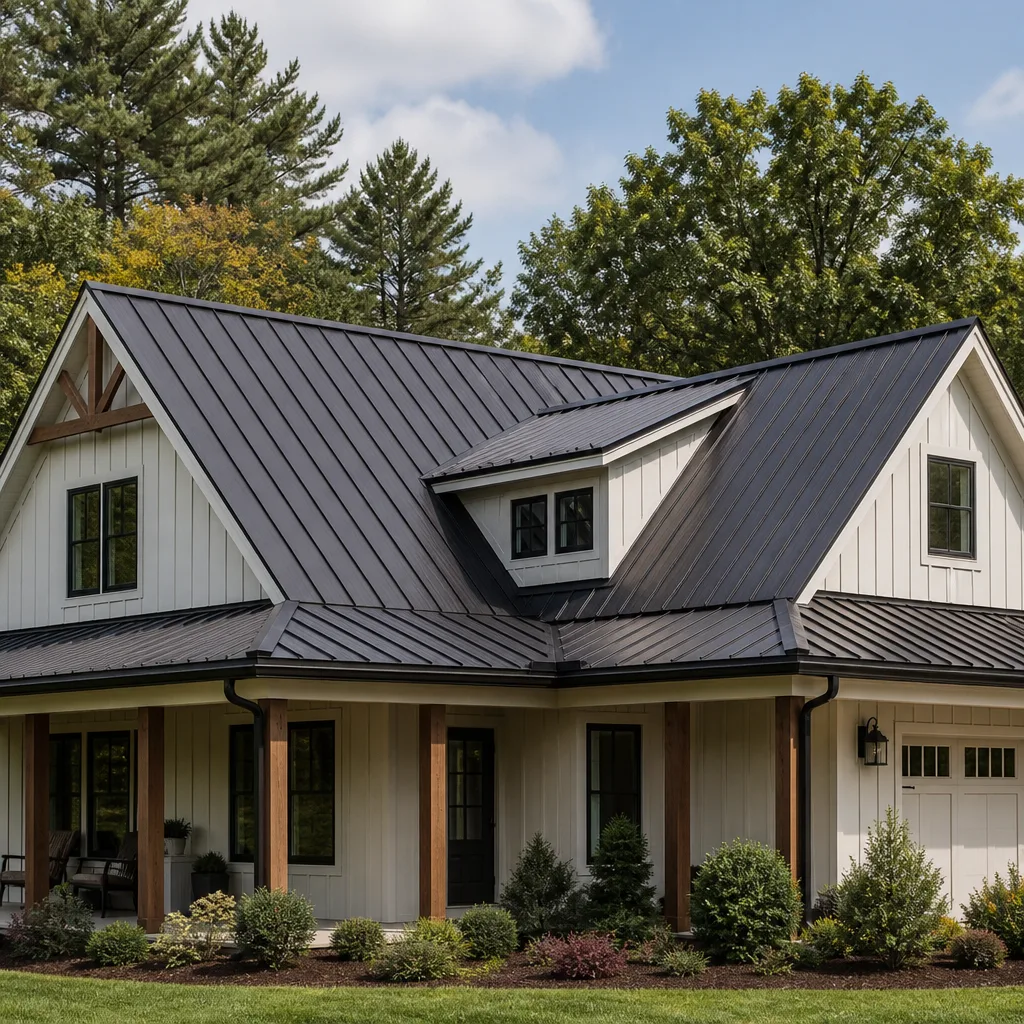
 Metal roofing
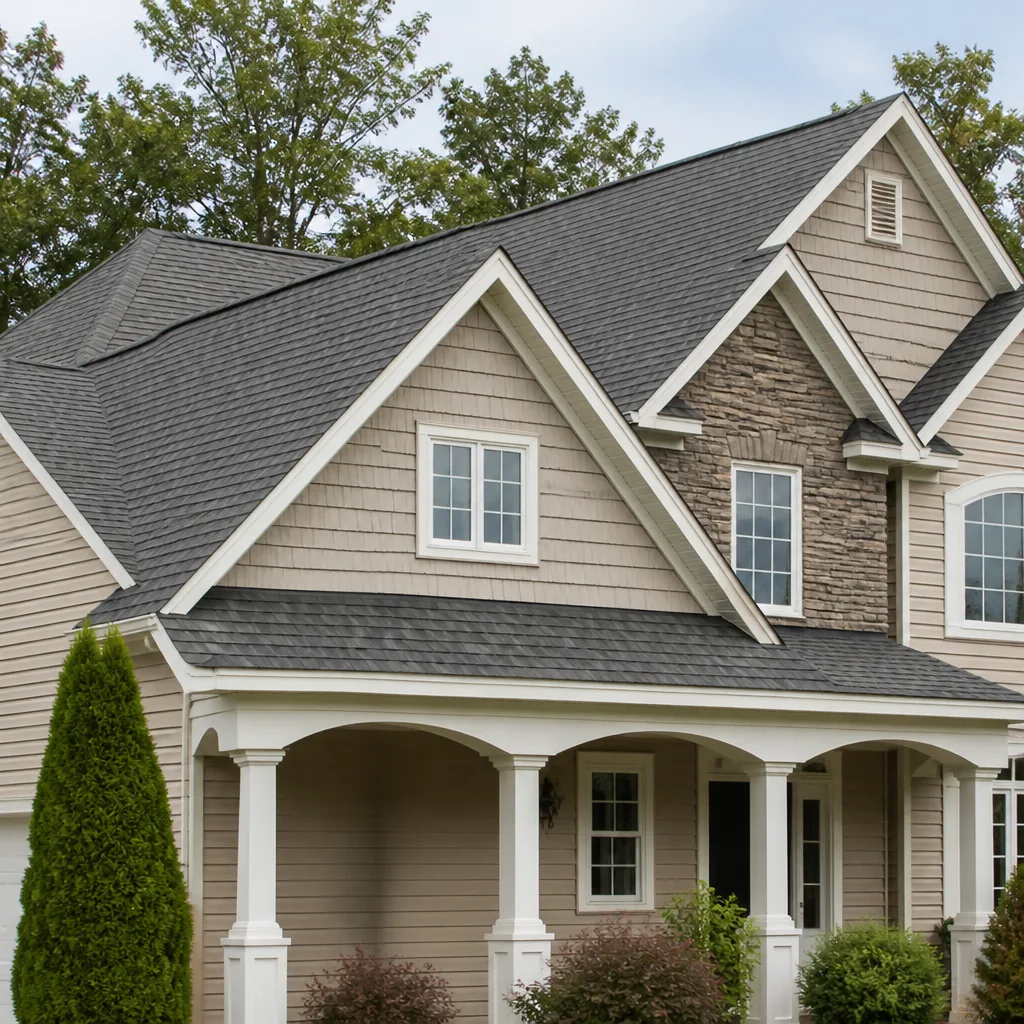 Architectural shingles
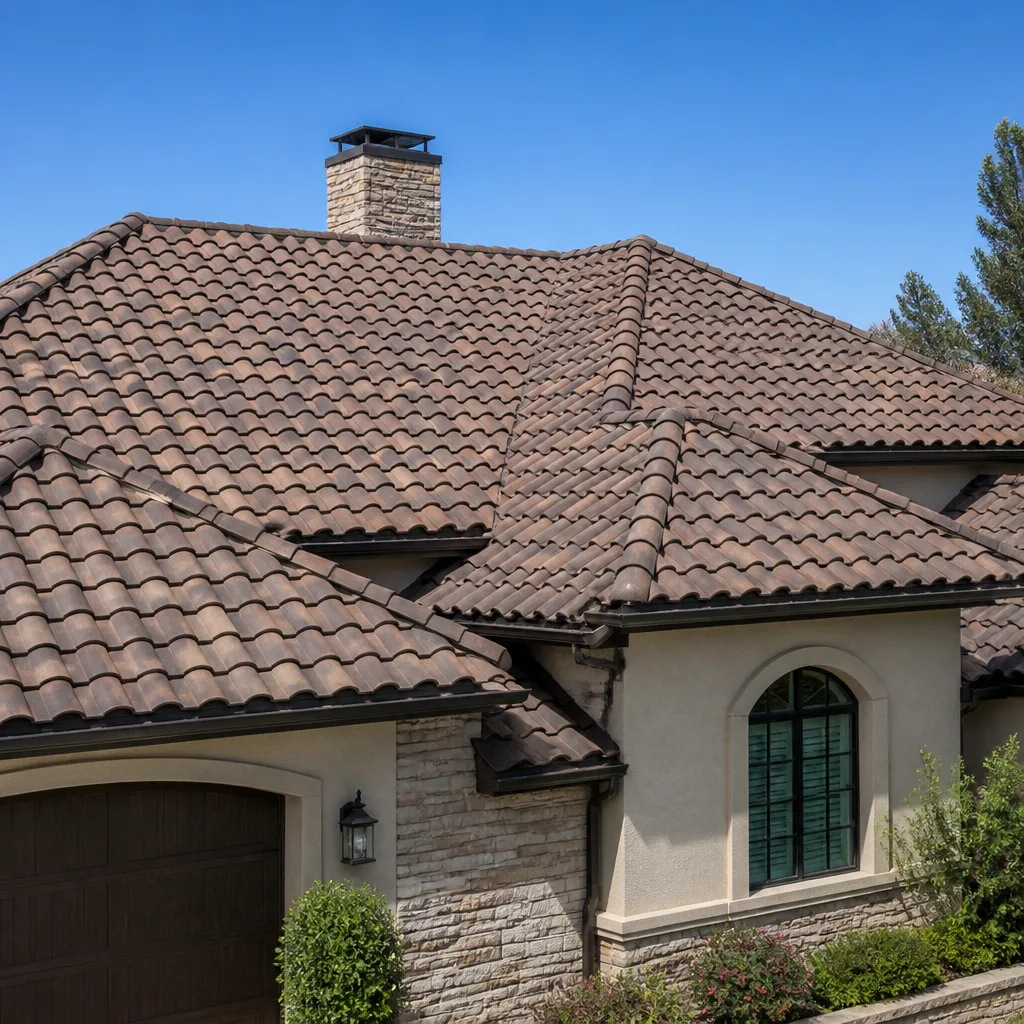 Tile roofing
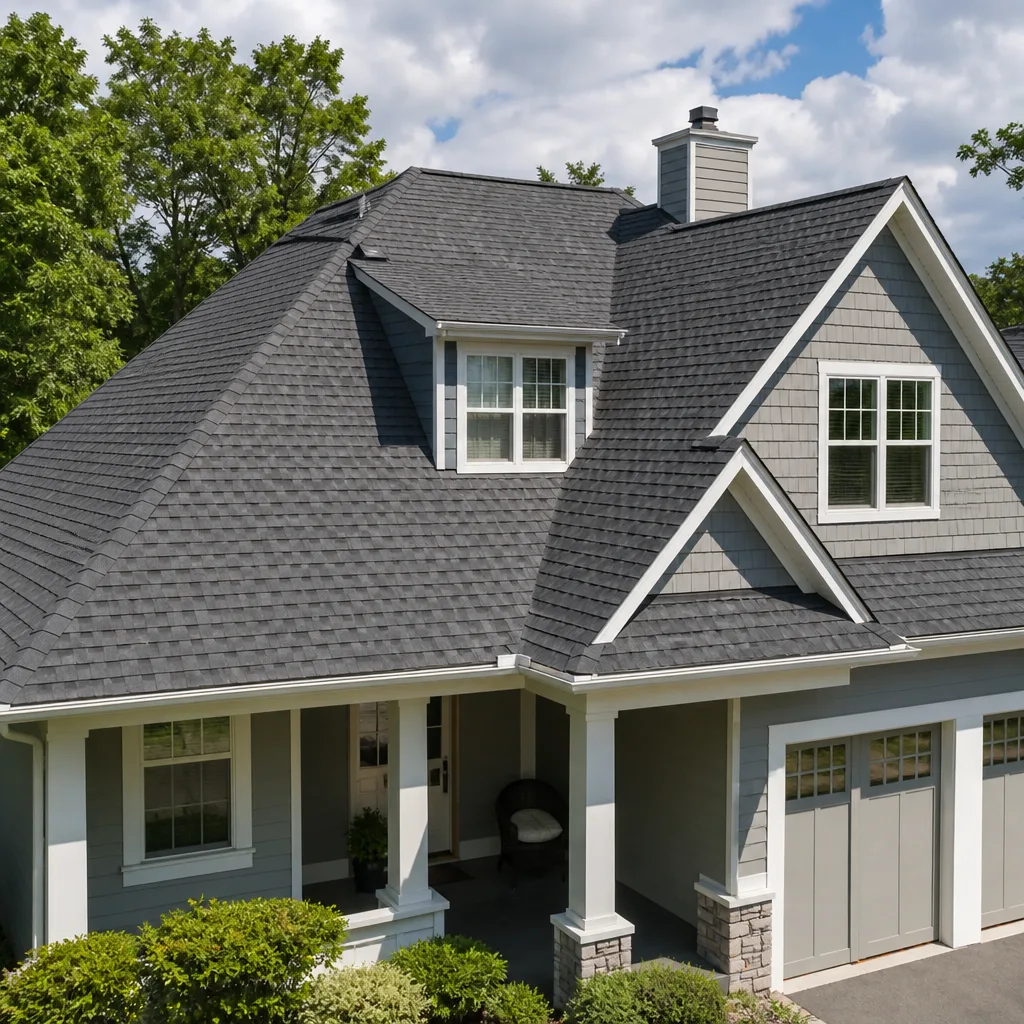 GAF
GAF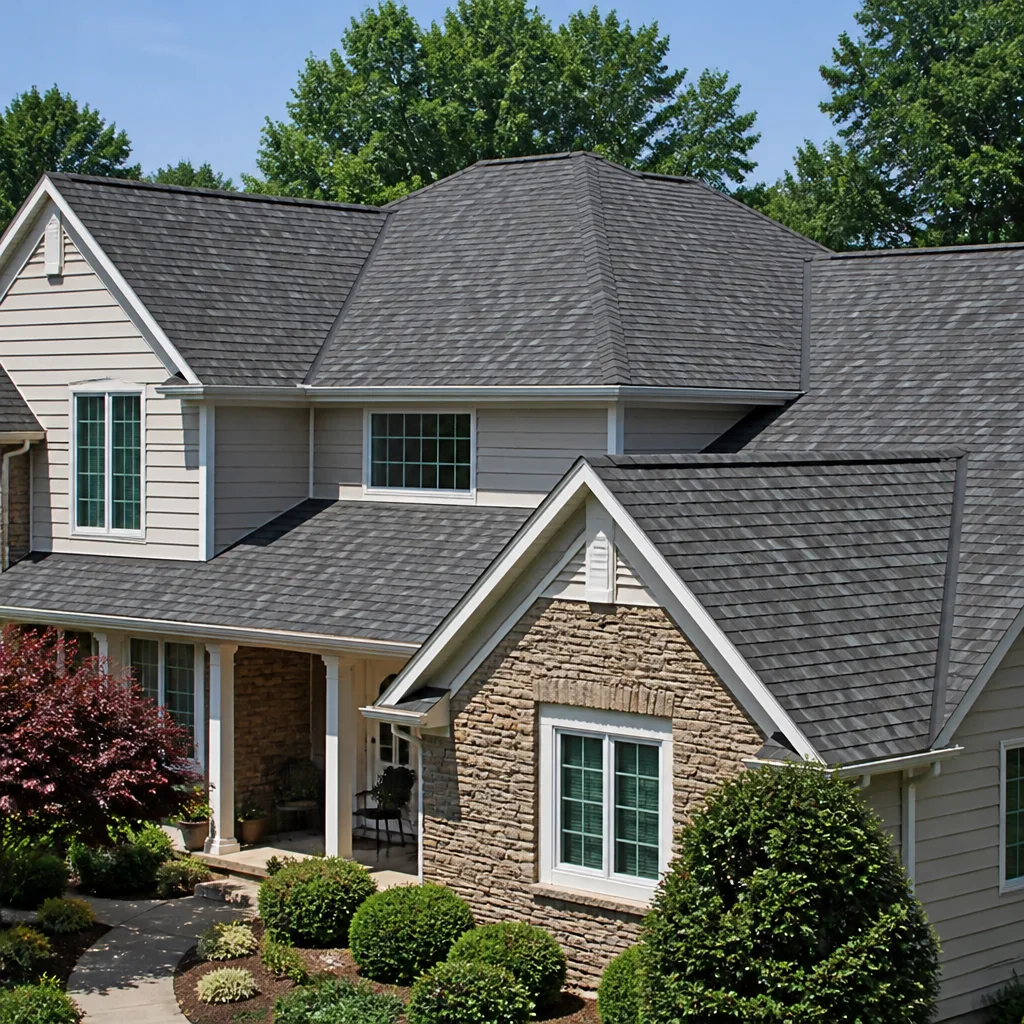 Owens Corning
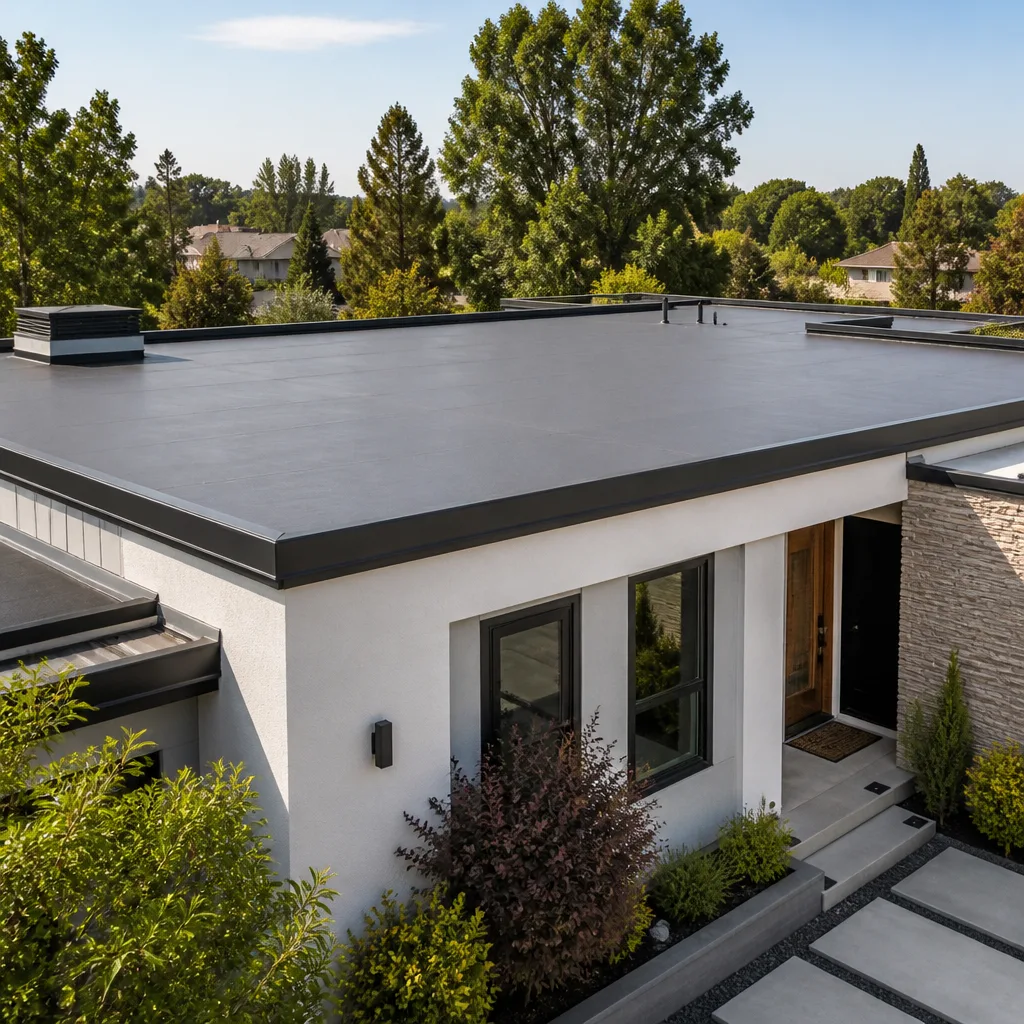 Flat & low-slope
Free roof inspection with deck photos before we talk money - GAF and Owens Corning certified installation
Atlas Ridge Vent Installation: The Tampa Owner’s Guide
Ridge vent installation for Atlas roofing systems in Tampa typically runs $12 to $18 per linear foot installed, which puts most single-family homes between $480 and $1,100 depending on ridge length and whether the old vent needs to come off first. We stock Atlas-compatible ridge vent on our trucks and can usually have the job done the same day we look at it, because you shouldn’t have to wait a week for a part that’s failing right now. Most Tampa homeowners discover the problem the same way: a roof leak near the peak, a musty smell in the attic, or shingles lifting right along the ridge line where the vent sits.
What surprises most people is that their Atlas ridge vent didn’t fail because it was old. It failed because it was installed wrong the first time, or because Florida’s wind-driven rain found a gap. Travis Oakley has pulled apart enough ridge vents in this market to know the difference between a bad product and a bad install, and with Atlas specifically, the install is usually the culprit.
Which Atlas Models This Applies To
Atlas makes two main ridge vent lines you’ll run into on Tampa roofs: the Atlas CrossVent and the Atlas WeatherMaster. The CrossVent is the more common one we see on shingle roofs installed in the last ten years, and it’s a rigid plastic vent with a baffle design that keeps wind-blown rain out while letting attic air escape. The WeatherMaster is their premium line, with a wider profile and a more aggressive nail line that holds better in hurricane conditions.
The compatibility gotcha with Atlas ridge vents is width. The CrossVent comes in a 10.5-inch profile, while the WeatherMaster runs 11.25 inches wide. If someone installed a narrower cap shingle over that wider vent, the shingle edges cup and lift, and that’s exactly where water gets in during a Tampa summer storm. You can identify which one you have by looking at the underside of the vent at the gable end, or by measuring the exposed vent width at the ridge. We match the replacement to what’s on the roof now, not whatever is on sale at the supply house.
For OEM versus aftermarket, we’ve been honest with customers about this for years: the Atlas-branded replacement parts are what we recommend when the goal is a match to the original nailing pattern and warranty documentation. But there are quality aftermarket ridge vents that perform just as well at a lower cost, provided the profile width matches. We’ll price both options and tell you plainly what you’re trading off. We’re an independent roofing company in Tampa, not affiliated with Atlas, so our loyalty is to the roof, not the brand.
Styles & brands we work with
Signs Your Atlas Ridge Vent Installation Is Failing
- Water staining on the ceiling near interior walls. This is the classic ridge vent failure signature. Water enters at the ridge, runs down a rafter or truss, and shows up not at the edge of the house but along a seam in the ceiling. By the time you see the stain, the vent has been leaking for a while.
- Shingles lifting or curling along the ridge line. When the ridge vent shifts or the cap shingles were nailed too high, the shingles start to peel back. In Tampa’s afternoon thunderstorms, that gap becomes an open channel for wind-driven rain.
- Musty smell in the attic that gets worse after rain. A properly functioning ridge vent keeps the attic dry by letting moisture escape. When the vent is blocked, crushed, or leaking, humidity sits in the attic and you’ll smell it before you see it.
- Visible cracks or broken baffles in the plastic vent material. Florida UV exposure is brutal on plastics. After eight to ten years, a lower-quality ridge vent can turn brittle, and the baffles that keep rain out will snap. Once the baffles fail, the vent is just a hole in your roof.
- Granule loss concentrated along the ridge. If you’re seeing excessive granules in your gutters after a storm, check the ridge. A failing vent lets shingles flutter, and that vibration strips the granule coating faster than normal wear.
See the difference
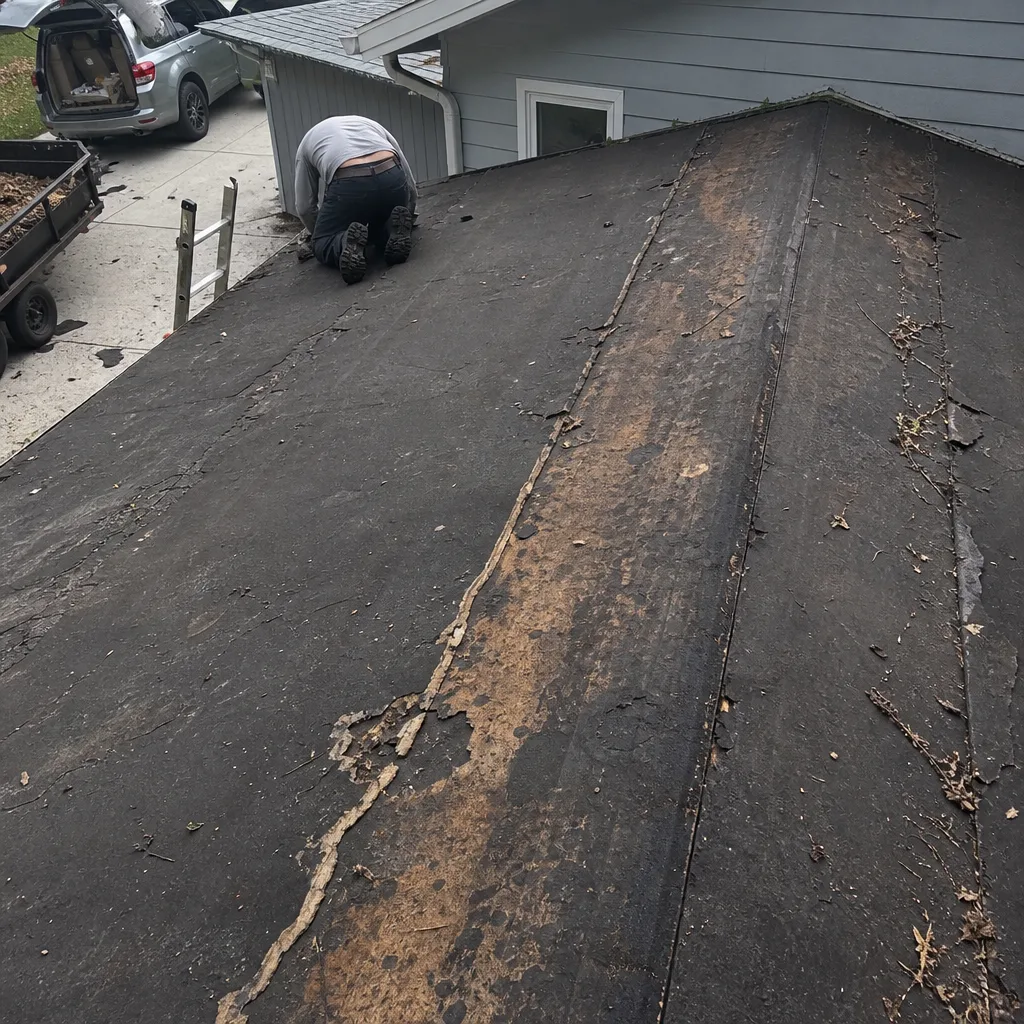 Before
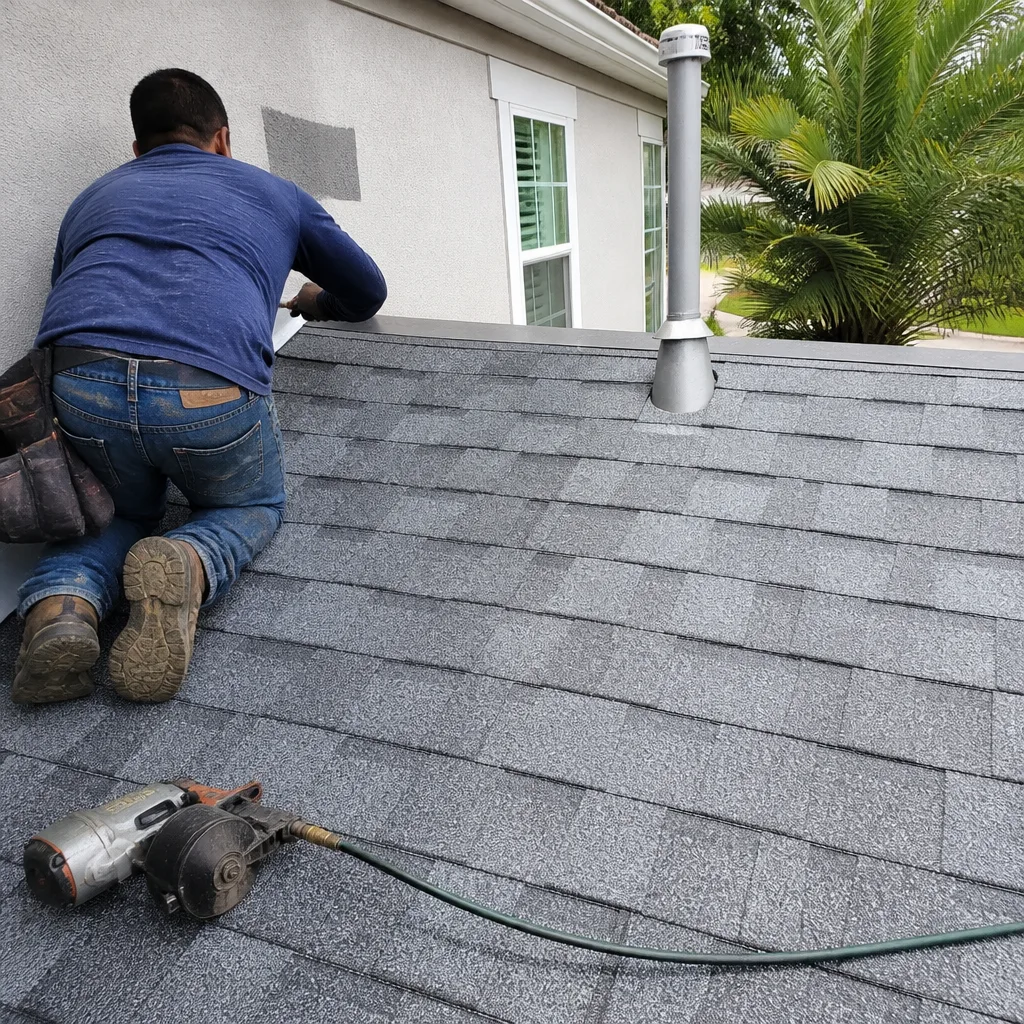 After
After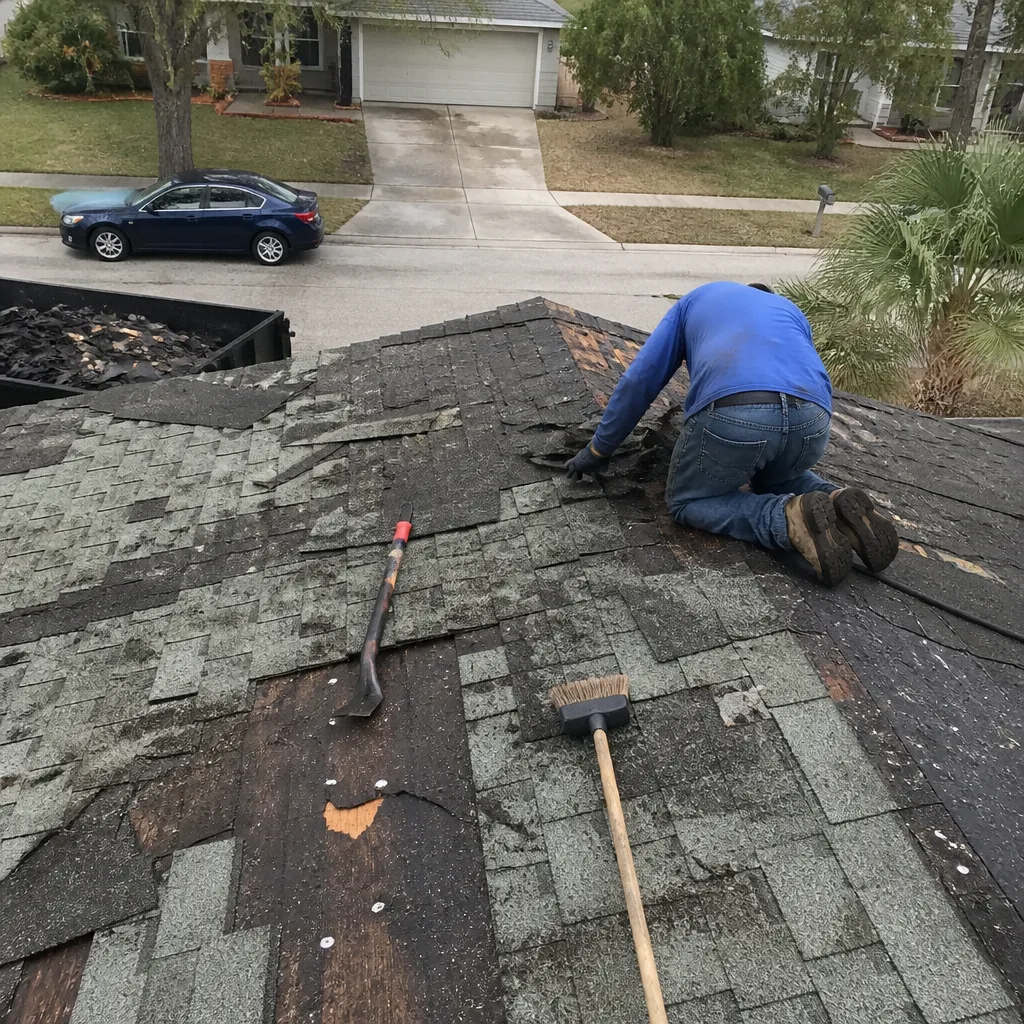 Before
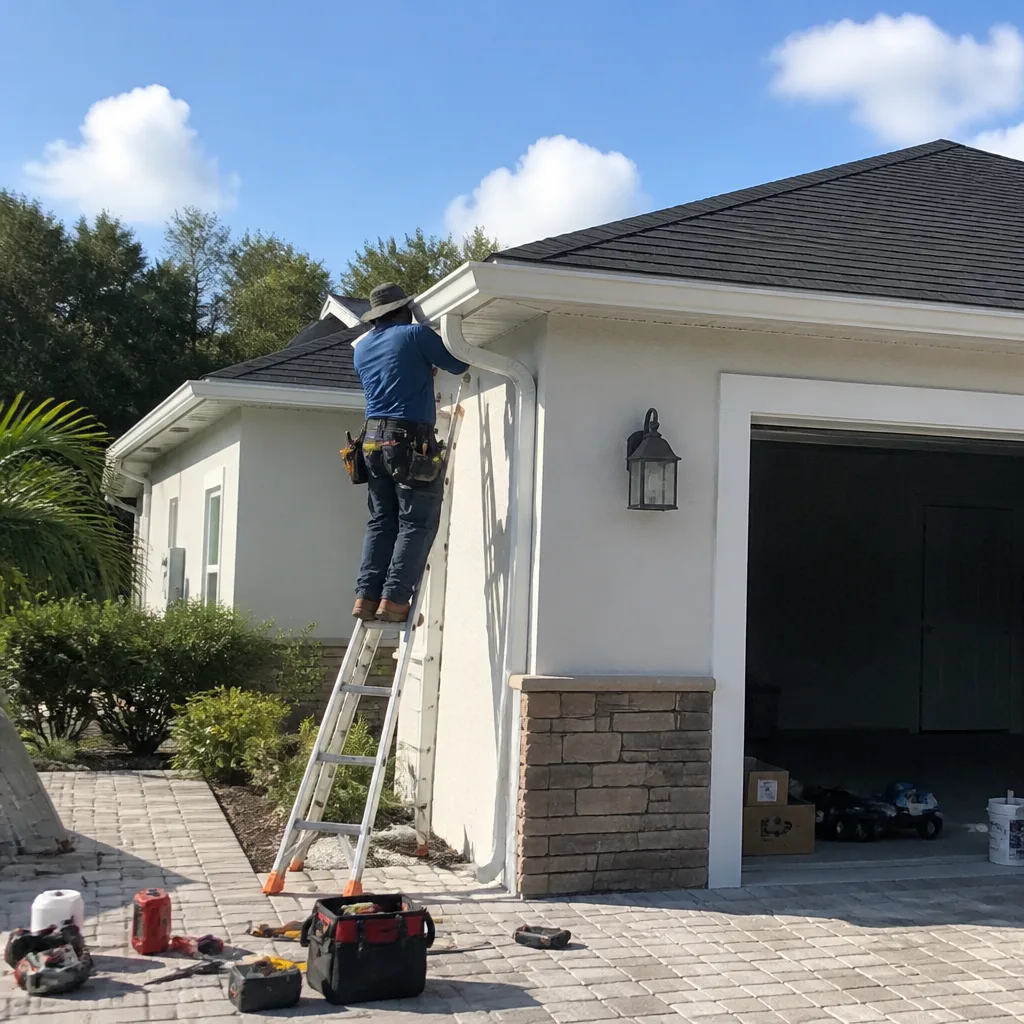 After
After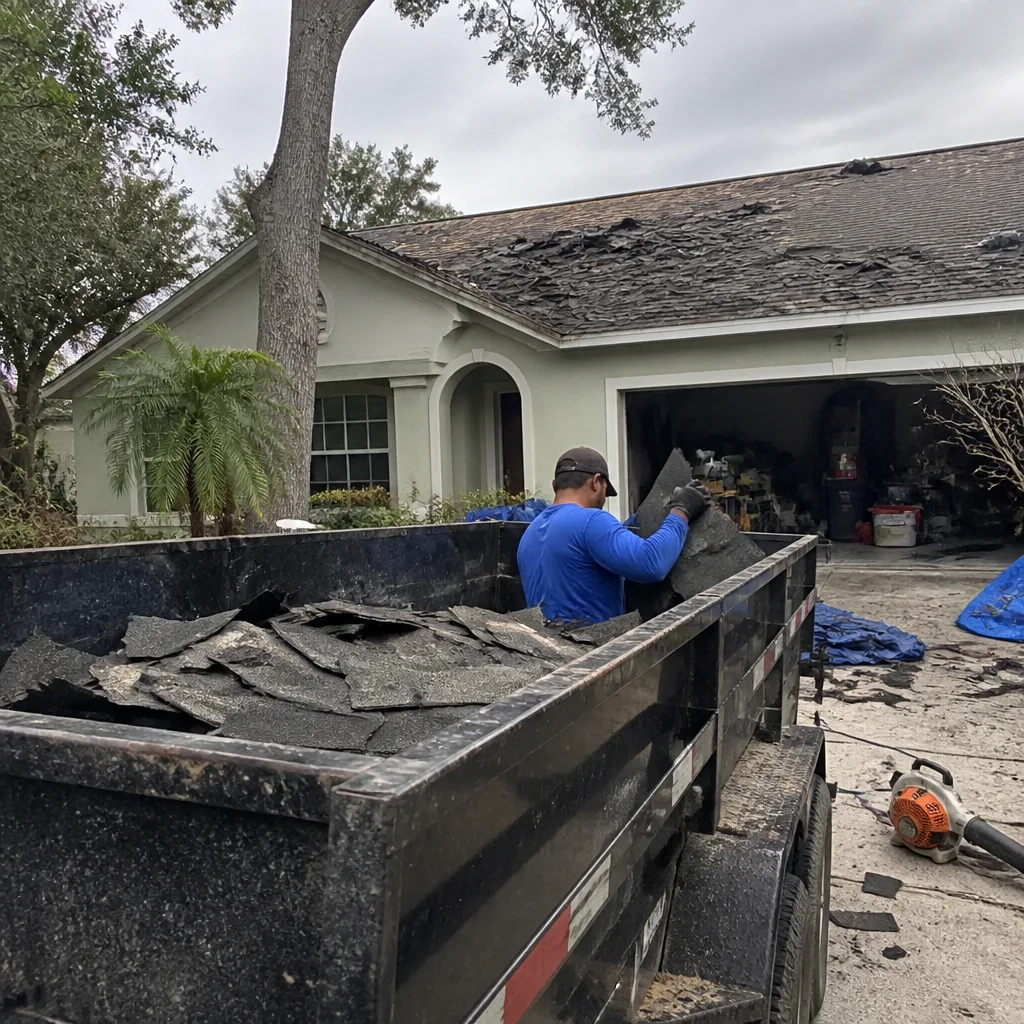 Before
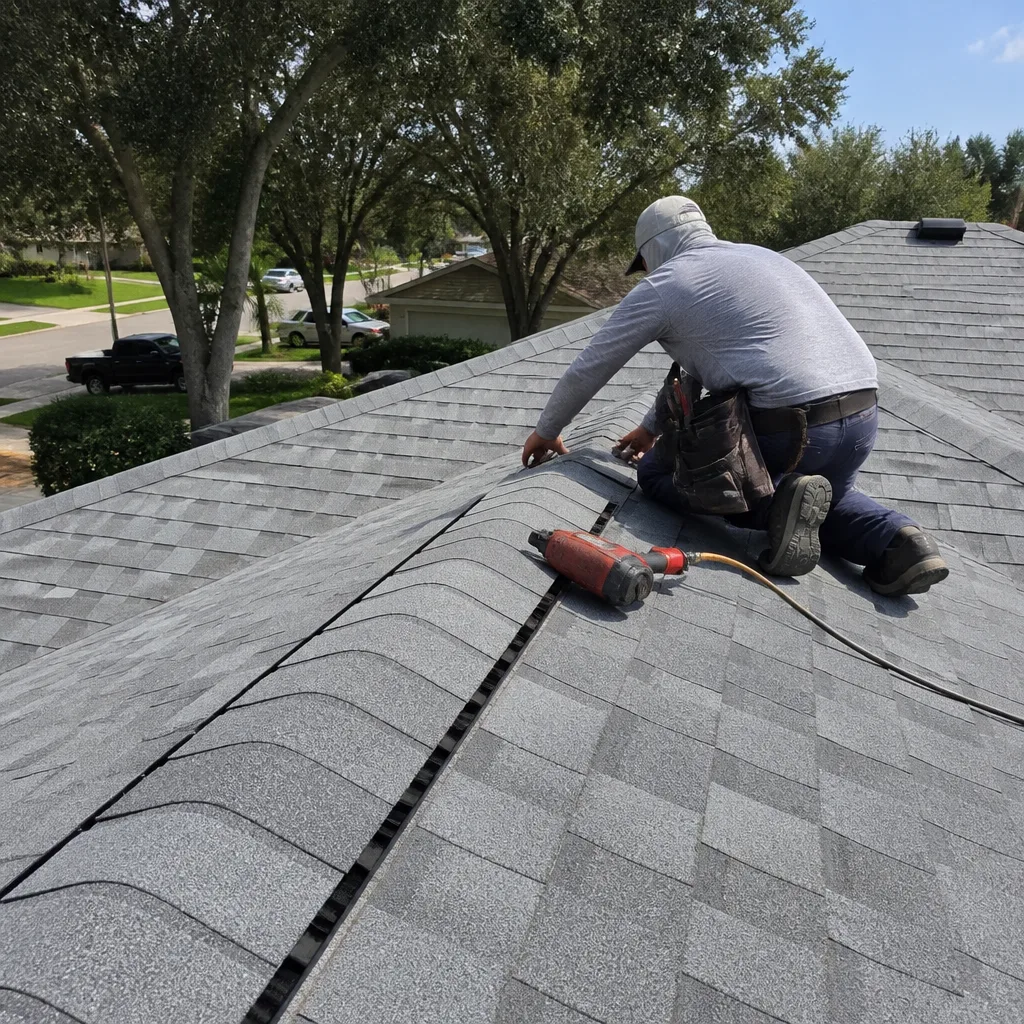 After
AfterReplacement Cost & What’s Included
Here’s the honest math for Tampa: ridge vent material runs $3 to $6 per linear foot at the supply house depending on the Atlas-compatible line you choose. Labor and installation add $9 to $12 per linear foot on a typical single-story roof with a straight ridge. Add $2 to $4 per foot when the old vent has to be removed and the nail line repaired, or when the ridge is broken into multiple sections by hips and valleys.
| Scope | Typical Range (Installed) |
|---|---|
| Straight ridge, 30 – 40 ft | $360 – $720 |
| Straight ridge, 40 – 60 ft | $480 – $1,080 |
| Remove & replace with nail line repair | $540 – $1,200 |
| Atlas WeatherMaster (premium profile) | Add $1 – $2 per linear foot |
Every quote we write includes the vent material, the nails, any cap shingle work, and cleanup. The price goes on paper before the first shingle comes off, and it does not move at the door. That’s the Garrison Standard, and it’s the same on every job we do in Tampa.
DIY or Call Us?
A ridge vent install is not a job for a Saturday afternoon ladder. You’re working at the peak of the roof, often on a 6/12 or steeper pitch, and the stakes are real: one wrong nail placement through the vent baffle and you’ve created a leak that will quietly rot your sheathing for years before you notice it. This is a safety matter, not just a quality matter. If you’re not comfortable walking the ridge with a nail gun, call a pro.
What you can do safely is document what’s failing. Take photos of the ridge line from the ground after a storm. Check your attic for water trails and note where they line up. That information saves us time when we arrive. If you want a second set of eyes before you commit, we’ll send a background-checked, uniformed technician to look at it with you. Call (850) 750-9193 and we’ll walk the roof together.
FAQs
An Atlas CrossVent or WeatherMaster ridge vent should last 15 to 20 years in Tampa’s climate, but the cap shingles over it typically need replacement at the 12 to 15 year mark, and that’s when most people replace the vent too. Poor attic ventilation or a bad initial install can cut that lifespan by half, which is why we check the whole ridge system, not just the vent.
Small sections of damaged ridge vent can often be cut out and replaced, and if the failure is a few broken baffles or a short run, that’s what we’ll recommend. But when the vent is brittle across most of the ridge, patching becomes more expensive than replacing, and you’ll get a longer-lasting result from a full swap. We’ll show you the damage and let you decide with the price on paper. For an exact quote, call (850) 750-9193.
A standard ridge vent replacement on a single-story Tampa home takes one day, including removing the old vent, checking the nail line for rot, installing the new vent, and re-capping with shingles. If the sheathing under the vent has rotted, add half a day. The price we quote is the price you pay, not an estimate that grows after we open the roof.
Yes, we stock Atlas-compatible ridge vent material on our service trucks, along with replacement stock we carry for GAF, Owens Corning, and CertainTeed systems. That means when we diagnose the problem, we can typically complete the replacement the same visit rather than scheduling a second trip. If the job needs custom material, you’ll know that before you pay anything.
If your Atlas ridge vent is failing, don’t let another Tampa rain season find the gap before we do. Call (850) 750-9193 and we’ll put an honest price on paper, match the right vent to your roof, and make sure it’s done to the same standard we’d hold on our own house. If it’s not squared away, we’re not done.
Written by Travis Oakley, Owner, Brennan Roofing Co Tampa at Brennan Roofing Co Tampa, serving Tampa and nearby areas.