
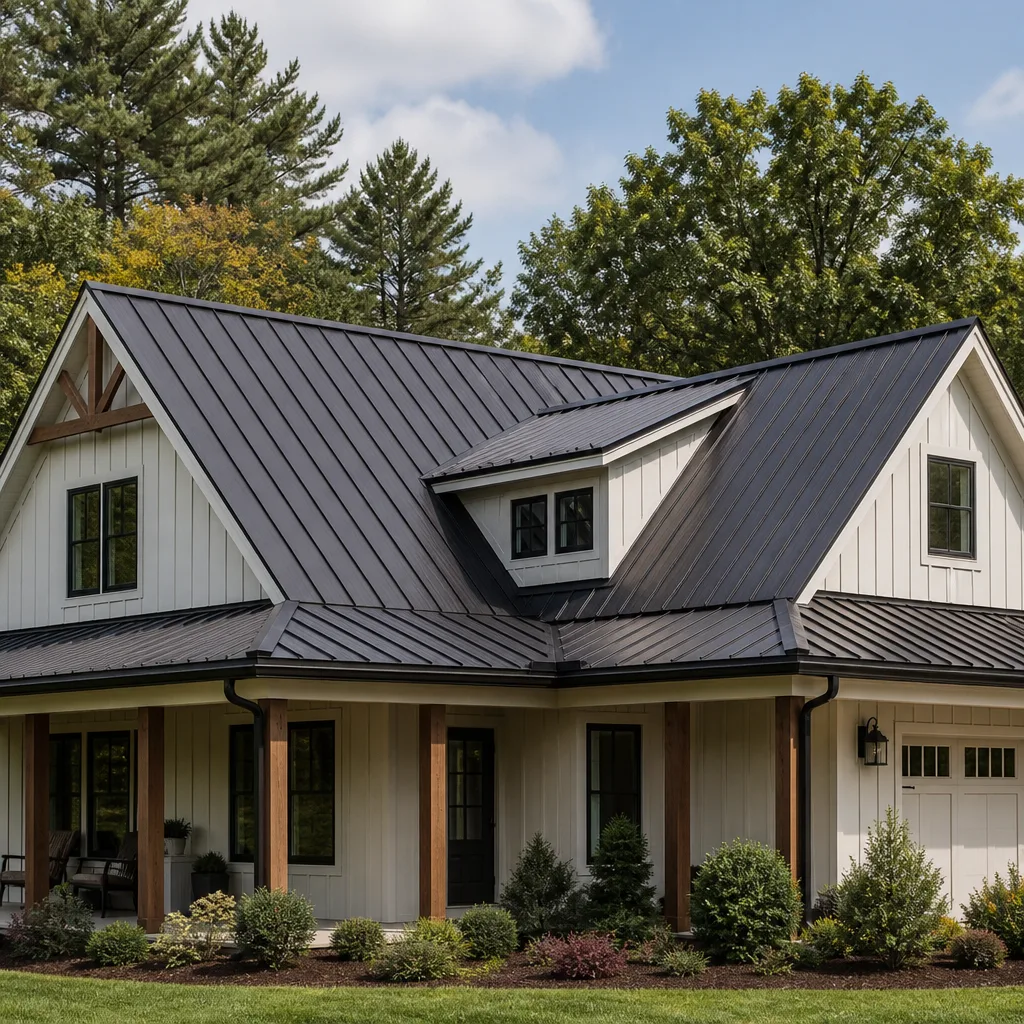
 Metal roofing
 Architectural shingles
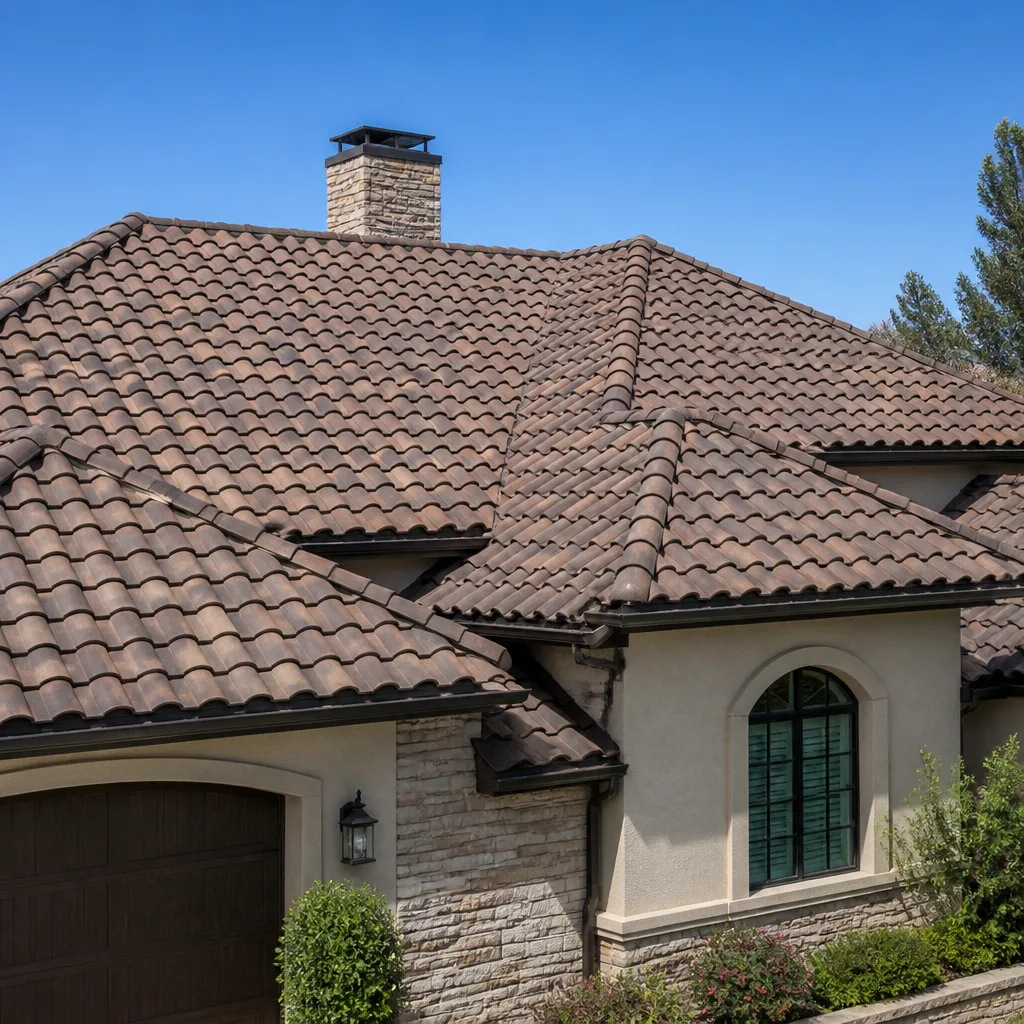 Tile roofing
 GAF
GAF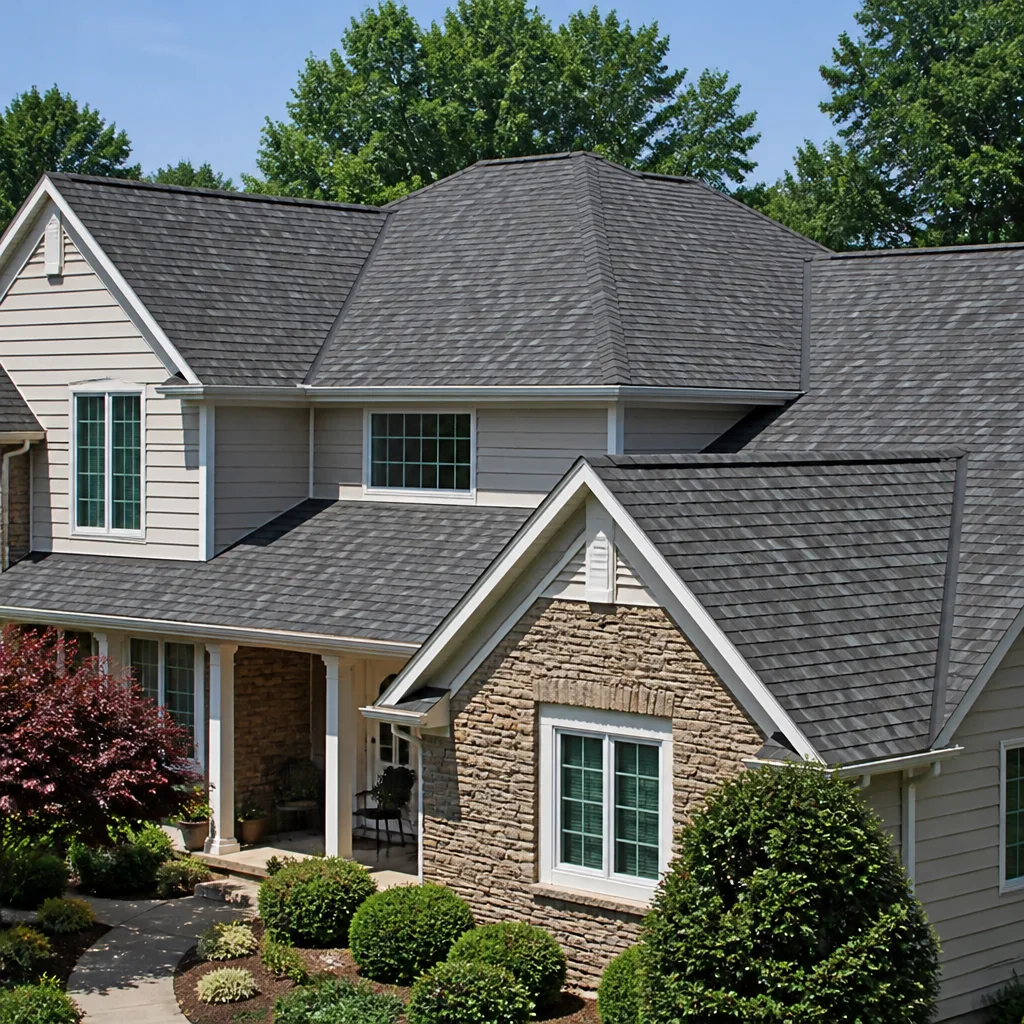 Owens Corning
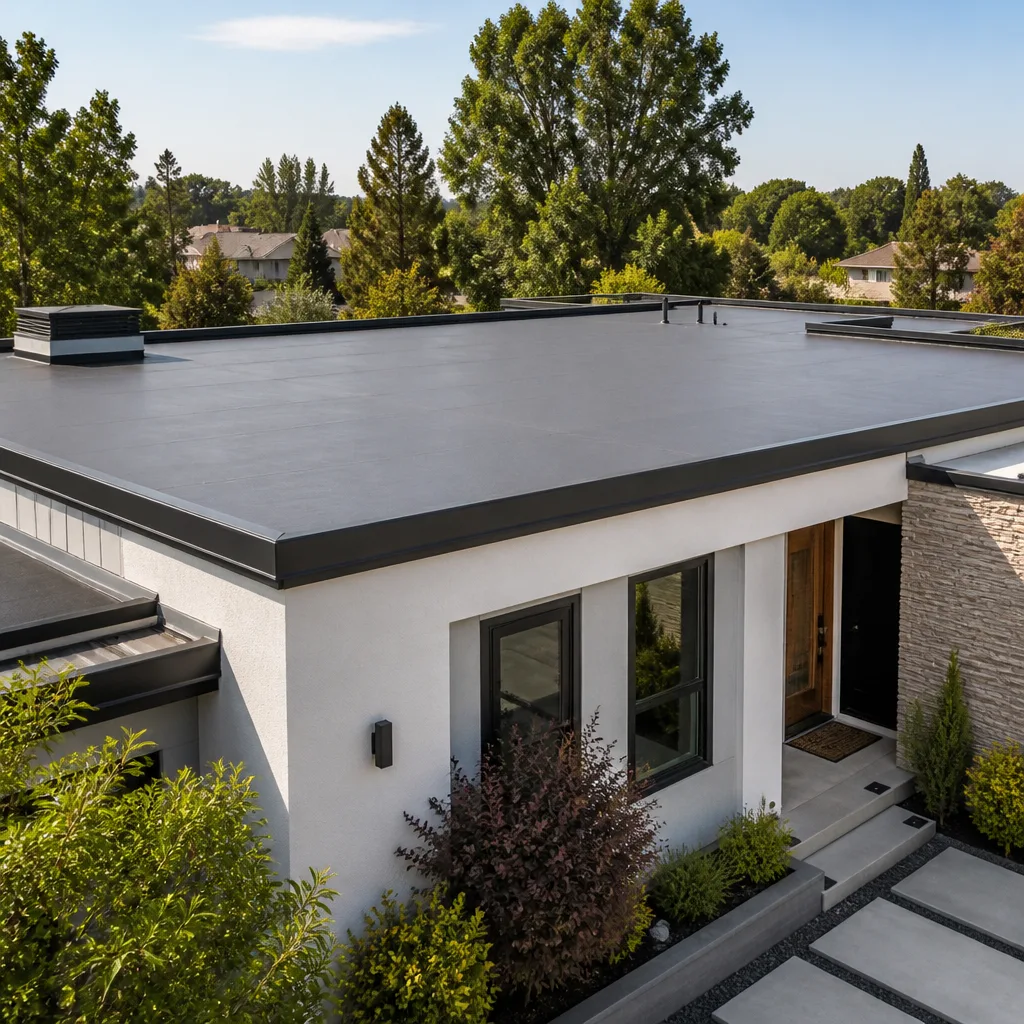 Flat & low-slope
Free roof inspection with deck photos before we talk money - GAF and Owens Corning certified installation
Atlas Gutter Replacement: The Tampa Owner’s Guide
Atlas gutter replacement in Tampa typically runs $9 to $14 per linear foot installed, which puts a standard single-story home between $1,100 and $1,900 depending on gutter length and access. We stock Atlas-compatible gutter sections, end caps, miters, and downspout components on our trucks, so most replacements are finished in a single visit. You usually discover the failure the hard way: water pouring over the gutter face during a summer downpour, a sagging run pulling away from the fascia, or rust bleeding down the side of the house.
Gutters fail quietly until they don’t. In Tampa, the combination of intense UV exposure, daily afternoon storms, and airborne salt from the bay eats aluminum and galvanized steel faster than most owners expect. We see Atlas gutter sections that look fine from the ground but have rotted fastener holes, split seams, or baked-out sealant once you get on a ladder. By the time water is spilling over the edge, the gutter has usually been compromised for months.
Which Atlas Models This Applies To
Brennan Roofing Co Tampa installs replacement sections that match Atlas 5-inch and 6-inch K-style gutter profiles. Those are the two sizes that cover nearly every Atlas gutter installation we encounter in Tampa. The 5-inch profile is standard on most single-family homes. The 6-inch profile shows up on larger roof planes, tile roofs, or homes where the original builder undersized the drainage and someone upgraded later.
Here’s the compatibility gotcha most owners miss: Atlas gutters are roll-formed on site or in a shop to match the existing profile, which means the replacement section has to be formed to the same profile dimensions, not just purchased as a generic K-style piece. A GAF or CertainTeed 5-inch K-style section won’t always seat cleanly into an Atlas mitre corner or end cap. The profile radius and the lip geometry differ slightly between manufacturers. That’s the number one reason we see homeowner patch jobs fail: the new section doesn’t actually match the old run, so the seam leaks from day one.
For the OEM versus aftermarket question: Atlas gutter systems rarely require a true OEM replacement because the profile is the spec that matters, not the brand stamped on the coil stock. We form replacement sections from .027-gauge aluminum coil, which is the same thickness Atlas specifies for coastal-adjacent markets like Tampa. If your home carries a heavier snow load rating or you want extra dent resistance, .032-gauge is available and worth the modest upcharge in oak-heavy neighborhoods where falling branches are a given.
We carry Atlas-compatible components alongside GAF, Owens Corning, and CertainTeed parts, so if your home has mixed-brand gutter runs from a previous repair, we can match each section without leaving you with a Frankenstein system.
Key Takeaways
- Atlas 5-inch and 6-inch K-style are the two profiles we form and stock for Tampa homes.
- Generic K-style sections don’t always seat into Atlas mitres and end caps, which is why match-forming matters.
- .027-gauge aluminum is the standard spec; .032 is available for added durability.
Styles & brands we work with
Signs Your Atlas Gutter Replacement Is Failing
- Water spilling over the face during rain. This means the gutter is either undersized for the roofline, pitched wrong, or clogged to the point of overflow. If it’s a pitch issue, the run has sagged and needs re-hanging or replacement.
- Visible rust streaks or orange discoloration. Aluminum doesn’t rust, but galvanized steel fasteners and end caps do. Once the coating is gone, the hardware fails and the gutter starts separating at the joints.
- Sagging or pulled-away sections. The hidden hangers or spike-and-ferrule system has pulled loose from the fascia board. In Tampa, this is often because the fascia itself is water-rotted behind the gutter from years of overflowing.
- Seam separation at mitres or end caps. The sealant Atlas uses at factory-formed corners breaks down under constant UV and heat cycling. Once the sealant fails, water exits at the corner and runs down the fascia, rotting the wood behind it.
- Pooling water or mosquito larvae. Standing water means the pitch is off or the outlet is blocked. Mosquitoes breed in stagnant gutter water, which matters in Tampa where mosquito season runs from March through November.
See the difference
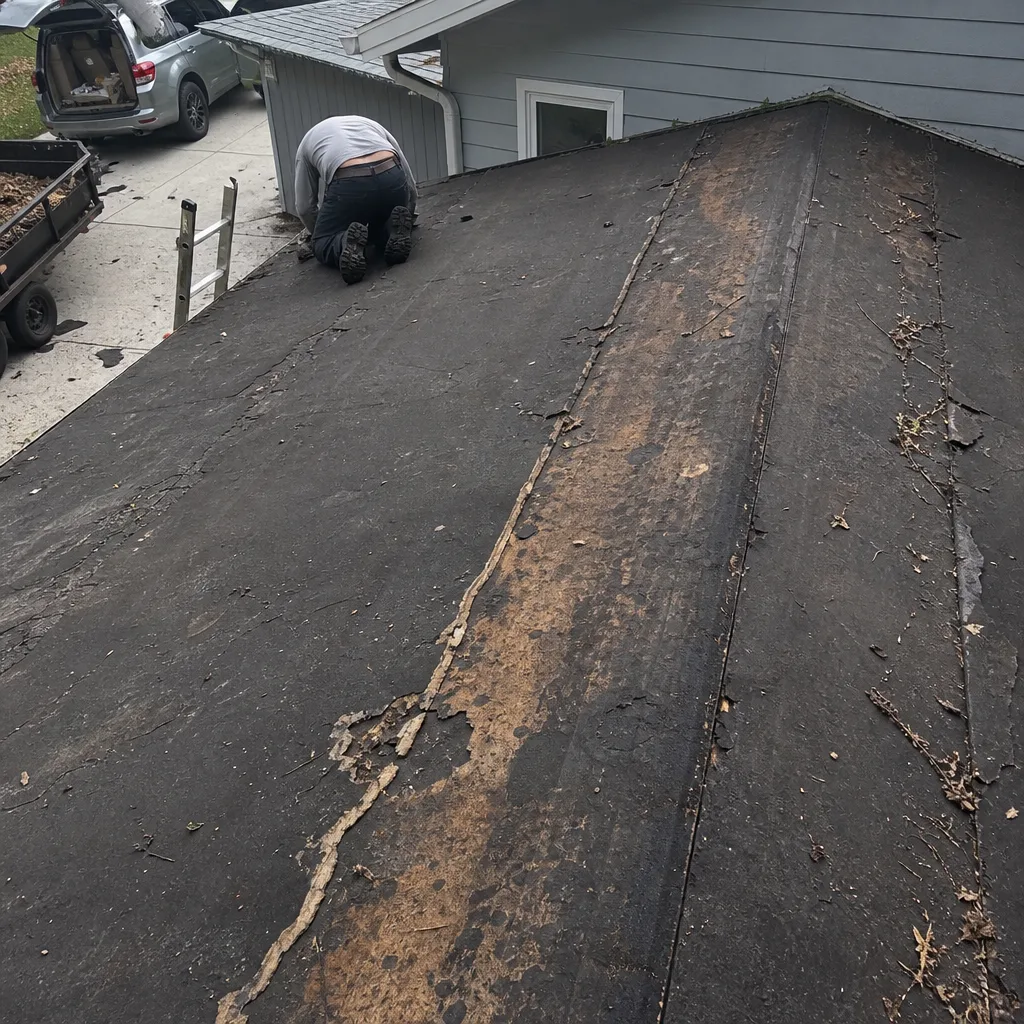 Before
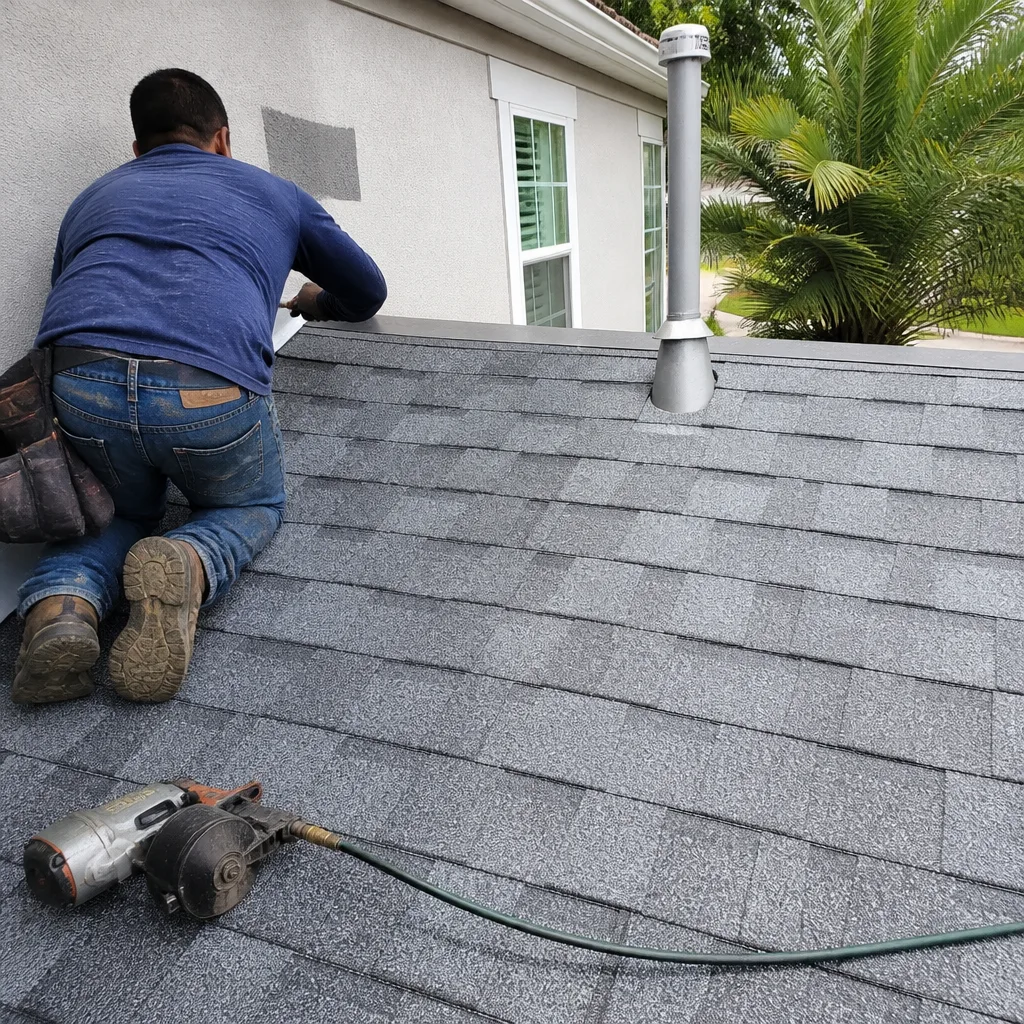 After
After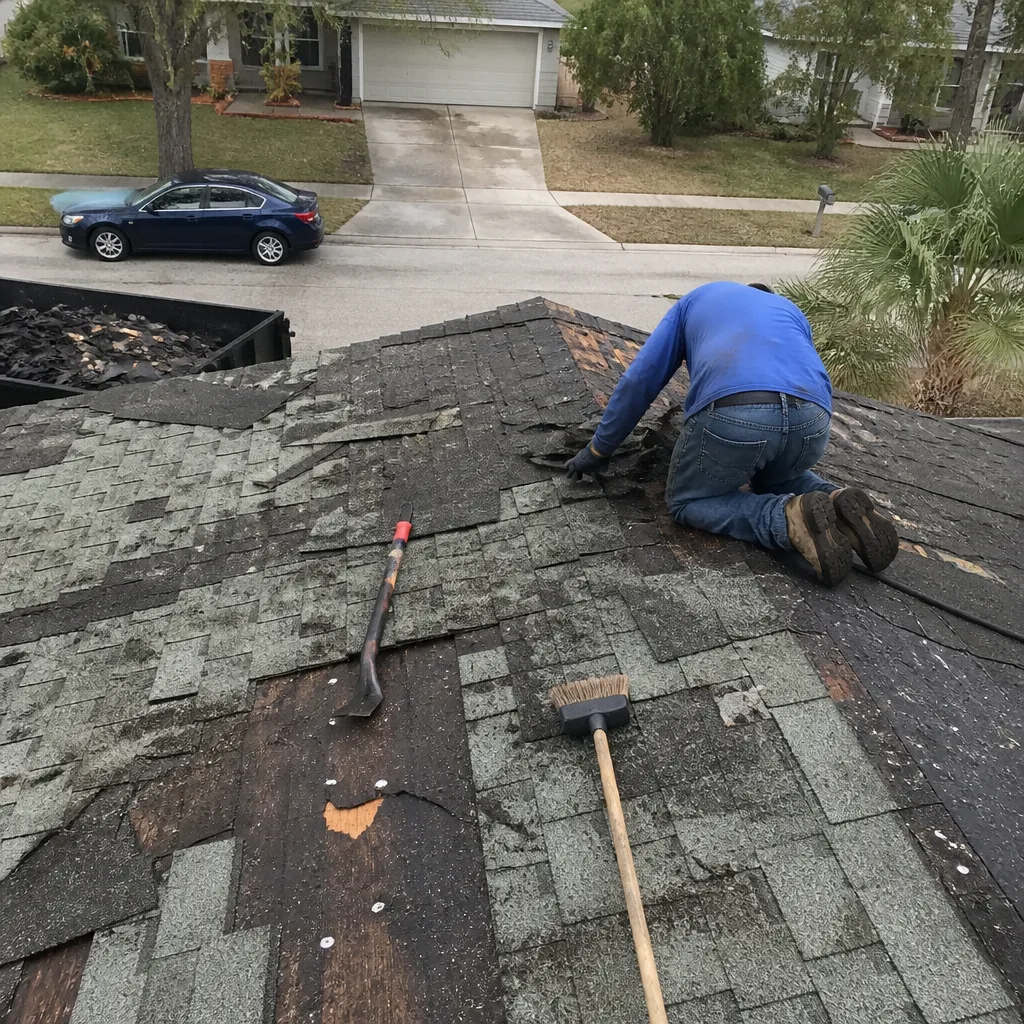 Before
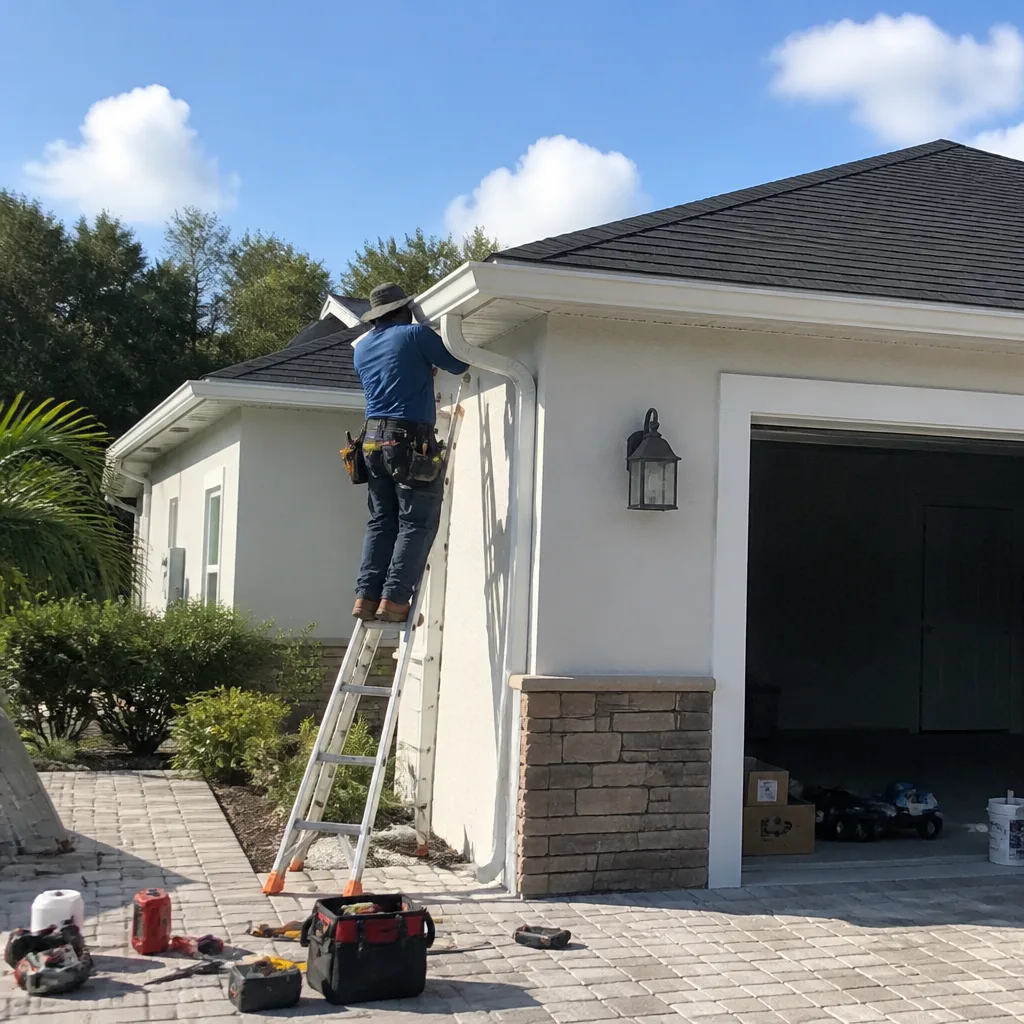 After
After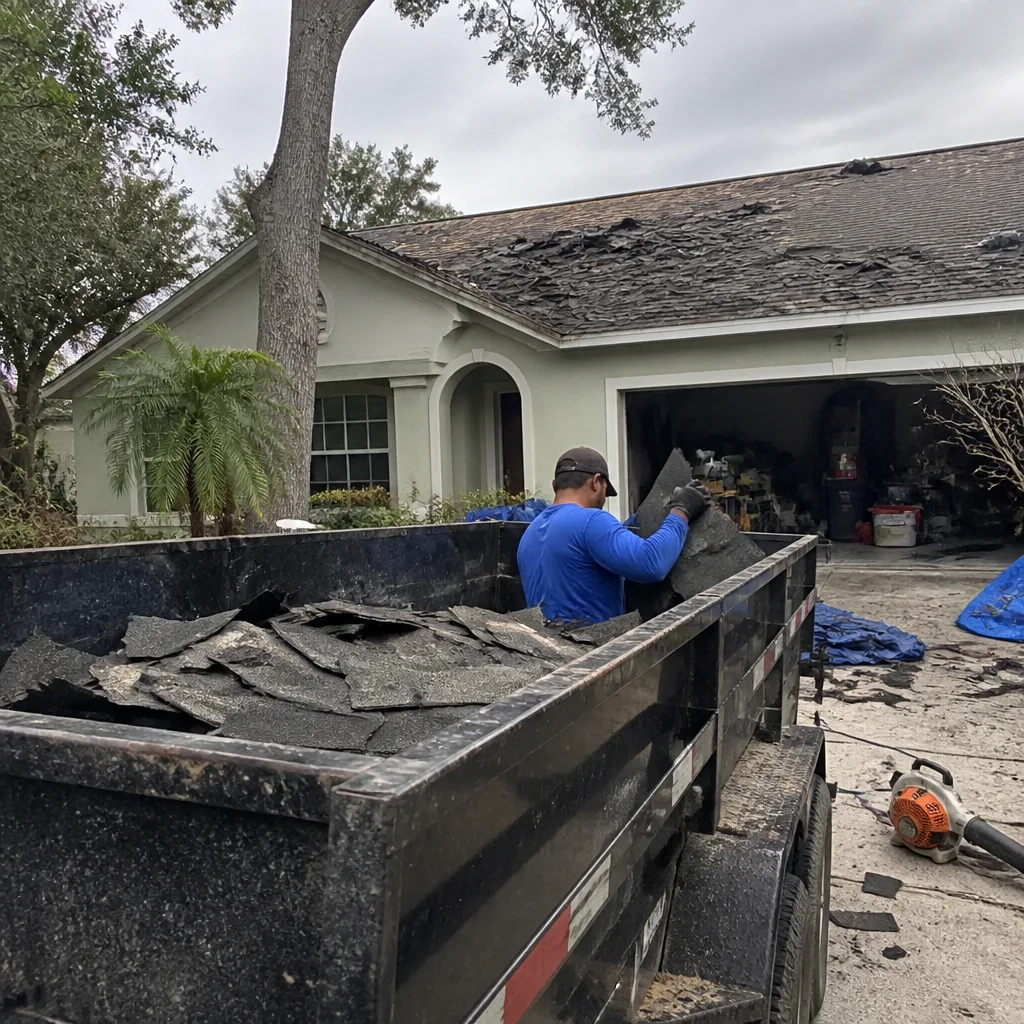 Before
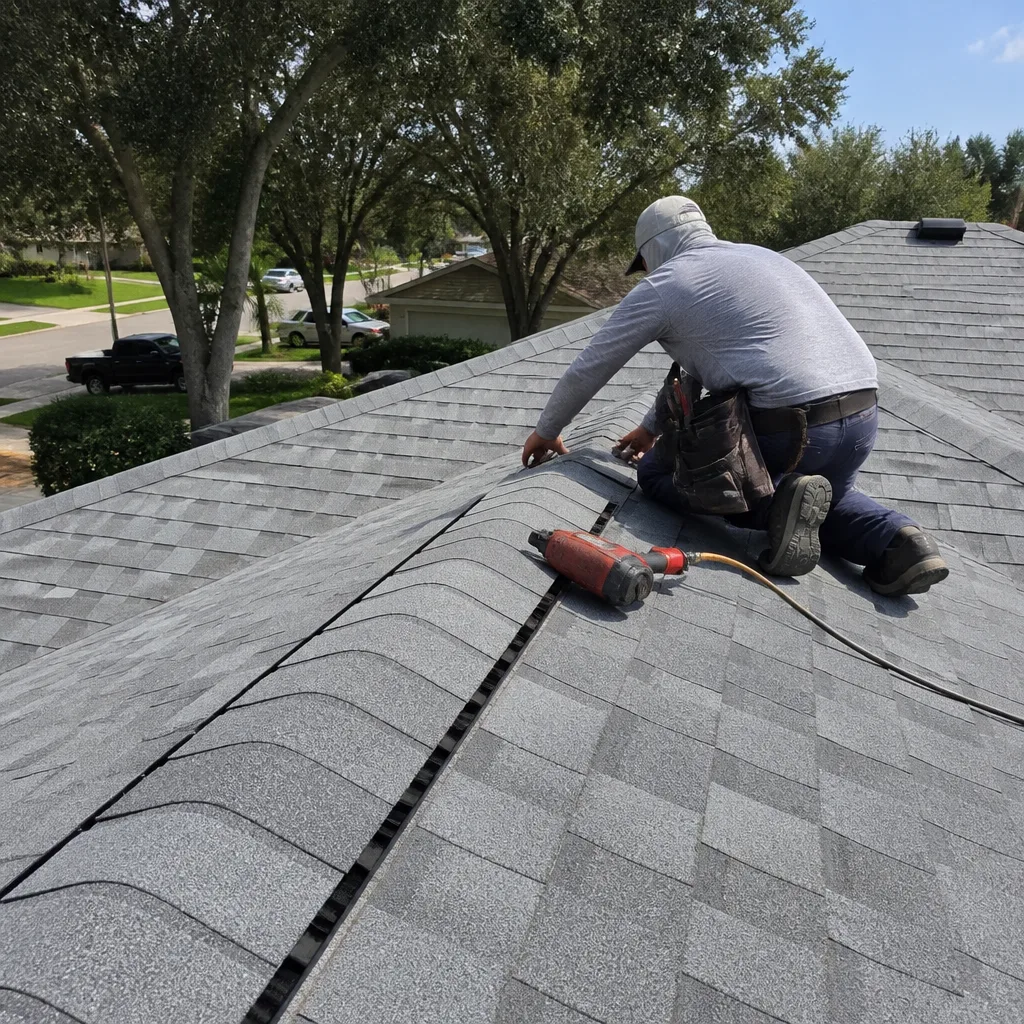 After
AfterReplacement Cost & What’s Included
Installed Atlas gutter replacement in Tampa runs $9 to $14 per linear foot for .027-gauge aluminum, including removal of the old run, new hangers, new mitres, new end caps, and downspout reconnection. A typical 150-linear-foot single-story home lands between $1,350 and $2,100. Add roughly $1.25 to $2 per linear foot if you want .032-gauge aluminum.
What drives the price: roofline access, whether the fascia board behind the gutter needs repair, two-story drops requiring taller ladder setups, and whether the downspout is reusable. If the fascia is rotted, that work gets priced separately and goes on the written estimate before anything starts. No surprises at the door.
Every gutter replacement from Brennan Roofing Co Tampa comes with the 365-Day Done Right Promise: if it fails within a year, we come back and fix it at no charge. The price goes in writing before any work begins, and it doesn’t move once the crew shows up.
DIY or Call Us?
Replacing a full gutter run is not a spring swap or a caulk job. The sections are long, the ladder work is real, and getting the pitch right requires a level and some experience reading water flow. We’ve watched Tampa homeowners spend a weekend hanging a new run only to have water pool at the low end because the pitch was a quarter inch off over 30 feet.
The one thing you can safely do yourself: check the downspout for blockages and clear the gutter face with a garden hose. That’s maintenance. Forming and hanging a matched Atlas-profile section, sealing the mitres correctly, and re-tensioning the hangers is the kind of work where a small mistake shows up as fascia rot two years later. If the run is sagging, separating, or rust-stained, call us at (850) 750-9193. We’ll come out, measure, and put the full price in writing before any material gets ordered.
FAQs
Aluminum Atlas gutters last 15 to 20 years in Tampa, though the sealant at seams and mitres typically fails first, around the 8-to-12-year mark. UV exposure, salt air, and the sheer volume of water in an average Tampa rainy season accelerate sealant breakdown. If you’re seeing leaks at corners but the runs are still solid, seam resealing or mitre replacement can buy you several more years for a fraction of a full replacement. Call (850) 750-9193 and we’ll tell you honestly whether it’s a reseal or a rehang.
Yes, in many cases a leaking seam or end cap can be resealed or patched for $150 to $380, depending on how many joints need work. The deciding factor is what’s behind the leak: if the fascia is rotted or the gutter pitch has failed, repair becomes a band-aid on a structural problem. We’ll inspect and give you a straight answer in writing before any work starts.
A standard single-story run of 100 to 150 linear feet takes four to six hours from removal to final downspout check. Two-story homes or runs with substantial fascia repair add time. Most Tampa homes are done in a single day.
We form Atlas-profile sections from coil stock on site, so the replacement matches your existing mitres and end caps exactly. That means no waiting on a warehouse, no backordered parts, and no profile mismatch that leaks from day one. The coil stock lives on the truck.
Written by Travis Oakley, Owner, Brennan Roofing Co Tampa at Brennan Roofing Co Tampa, serving Tampa and nearby areas.