
Last updated October 17, 2026
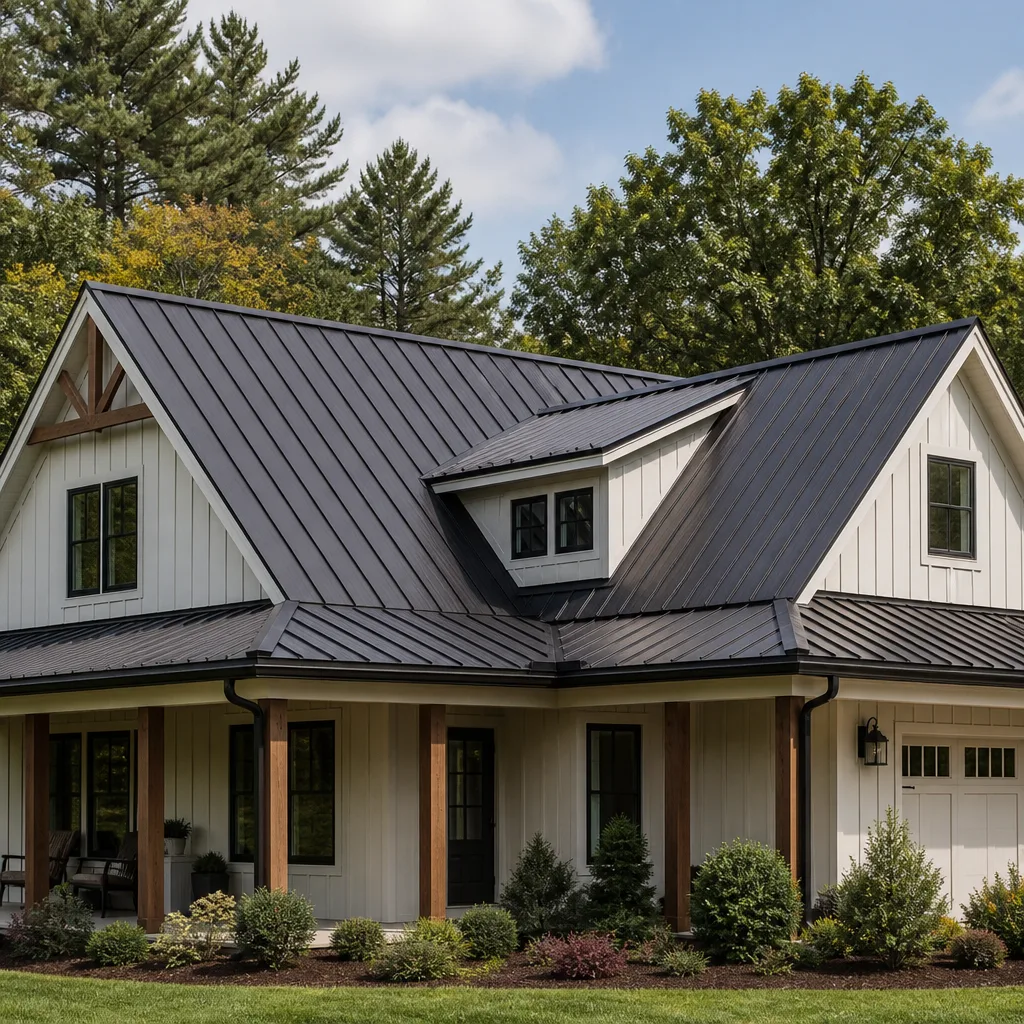 Metal roofing
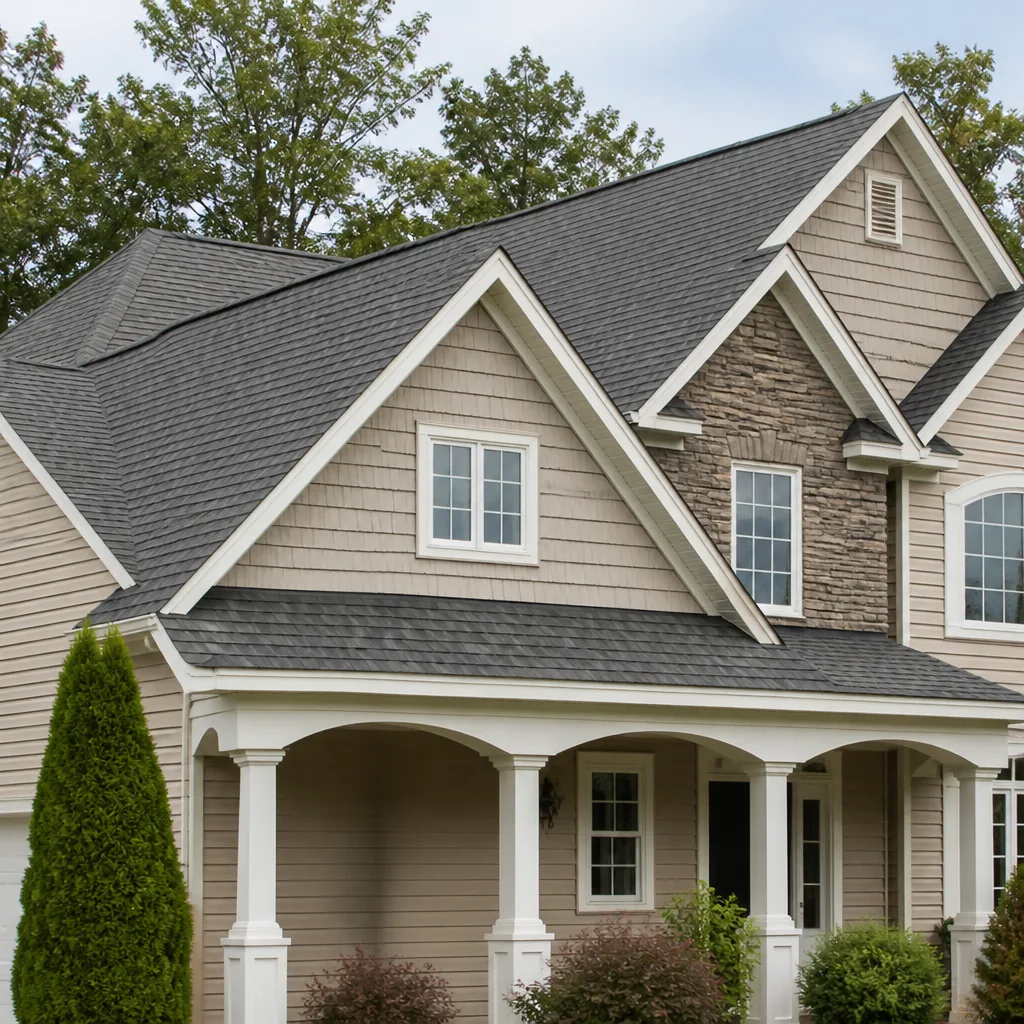 Architectural shingles
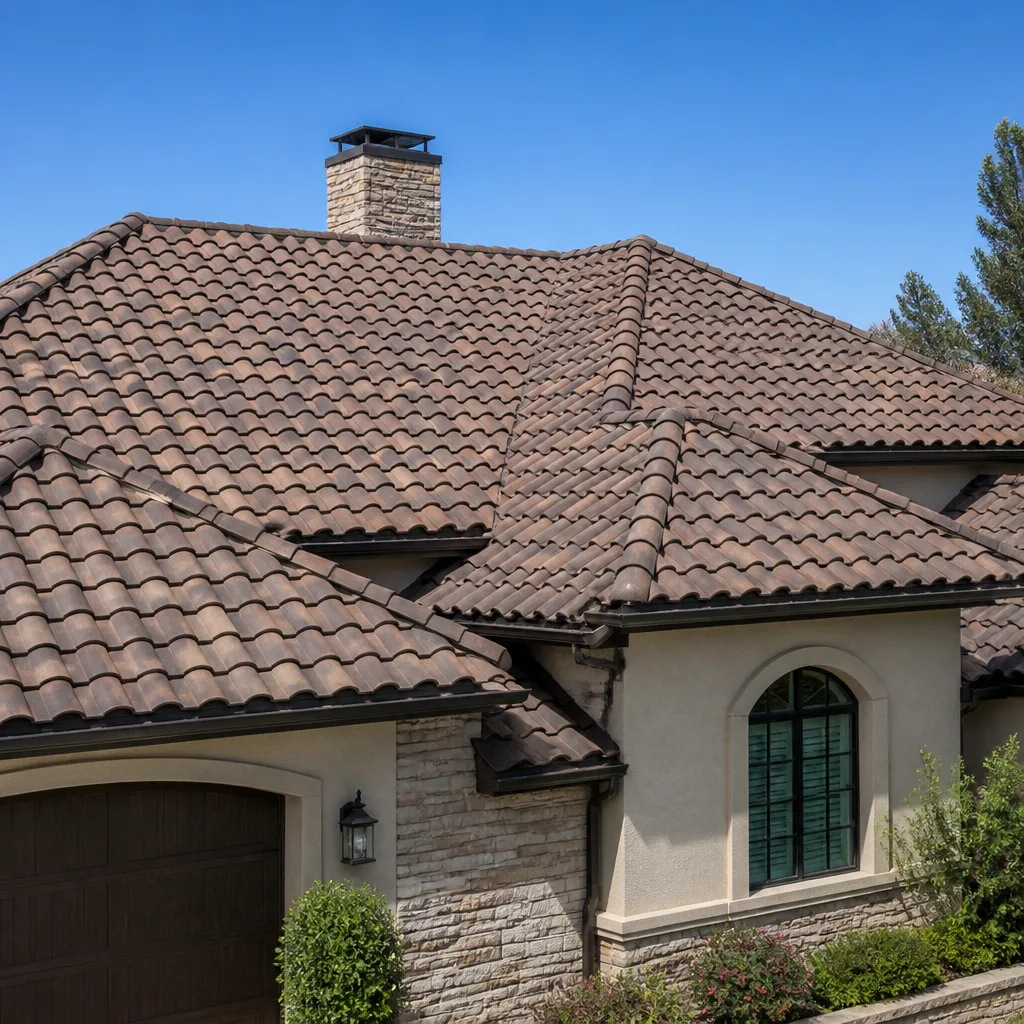 Tile roofing
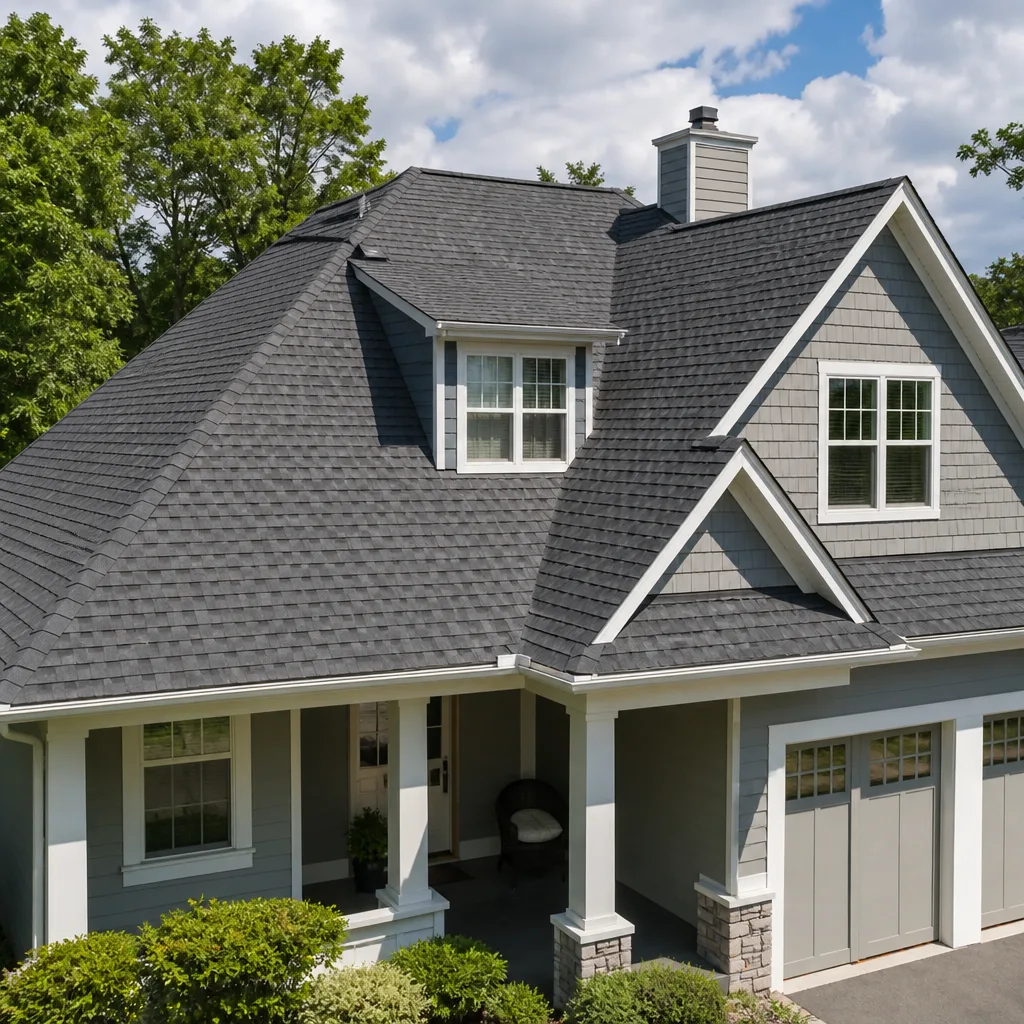 GAF
GAF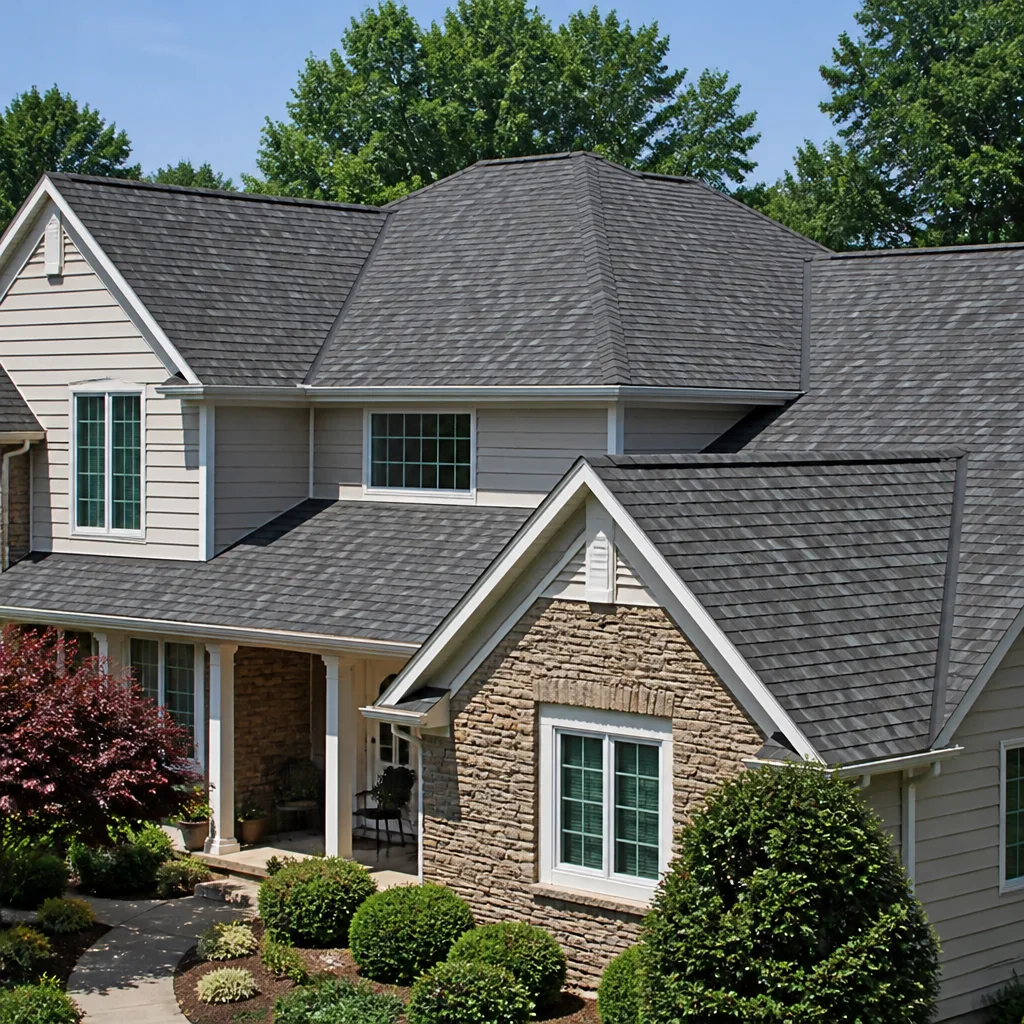 Owens Corning
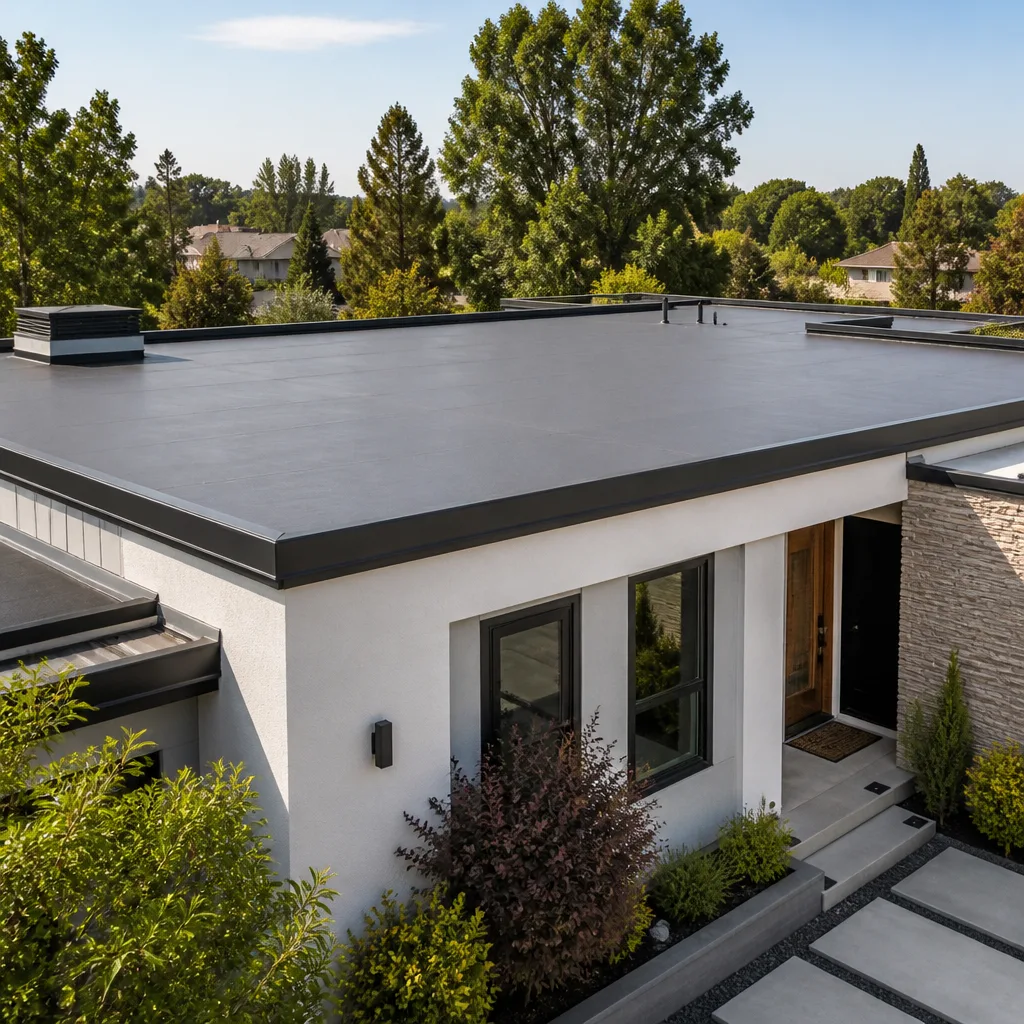 Flat & low-slope
Free roof inspection with deck photos before we talk money - GAF and Owens Corning certified installation
Roofing Cost Breakdown: The Tampa Homeowner’s Reference for 2026
The gap between the lowest and highest bids on an identical Tampa roof replacement is often $4,000 to $8,000, and the low bid isn’t always the bad one. The problem is that most homeowners have no framework to tell the difference, so price becomes the only filter. This guide breaks down every cost component of a Tampa roofing job in 2026: materials, labor, disposal, permitting, and the line items that separate a legitimate estimate from one that cuts corners. By the time you finish reading, you’ll be able to read a roofing estimate line by line and know exactly what you’re comparing. For more guides & resources, visit our blog.
Styles & brands we work with
Quick Answer
A full roof replacement in Tampa, Florida in 2026 typically costs between $8,500 and $22,000 for an average single-family home, with architectural shingles landing between $11,000 and $16,500 and concrete or clay tile running $28,000 to $45,000. The spread comes down to roof size, pitch, material choice, decking condition, and whether the contractor is bidding a complete system or a partial job. Material costs account for roughly 40-50% of the total, labor for 35-45%, and disposal, permitting, and overhead make up the rest.
Table of Contents
- Installed Cost Ranges by Roofing Material in Tampa (2026)
- The Line Items: Reading a Tampa Roofing Estimate in Full
- How Roof Square Footage Actually Works: Pitch, Waste, and the 2,000-to-2,800 Sq Ft Trap
- Insurance-Funded Roof Replacements: What’s Covered, What’s Not, and Depreciation Holdback
- Tampa-Specific Code Upgrades That Add to Your Roof Bill
- Using the Breakdown as a Negotiation Tool: Questions to Ask and Payment Schedules That Protect You
- What a Real Warranty Looks Like in Writing
- Common Mistakes to Avoid
- When to Call a Professional
- Frequently Asked Questions
- The Bottom Line
Installed Cost Ranges by Roofing Material in Tampa (2026)
Before we get into the line items, you need a baseline. These are installed cost ranges for a typical 2,000 sq ft single-story home in Tampa with a roof replacement of approximately 2,400-2,800 sq ft of roof surface. These reflect 2026 market pricing in Hillsborough County, which runs slightly higher than the national average due to wind mitigation requirements, humidity-driven material choices, and labor market conditions.
| Roofing System | Typical Installed Cost Range (2026) | Cost Per Square (100 Sq Ft) | Lifespan in Tampa Climate |
|---|---|---|---|
| 3-Tab Asphalt Shingle | $8,500 – $12,000 | $330 – $460 | 12-18 years |
| Architectural (Dimensional) Shingle | $11,000 – $16,500 | $425 – $620 | 20-30 years |
| Concrete Tile | $28,000 – $38,000 | $1,050 – $1,450 | 40-60+ years |
| Clay Tile | $32,000 – $45,000 | $1,200 – $1,700 | 50-75+ years |
| Standing Seam Metal | $18,000 – $30,000 | $700 – $1,150 | 30-50 years |
Here is what those ranges mean in the real world of Tampa. A 3-tab shingle roof is the budget option, and you’ll see it most often on rental properties, homes being sold, or homeowners who plan to move within five years. Architectural shingles, which line up with brands like GAF, CertainTeed, and Owens Corning, are the default choice for most Tampa homeowners because they carry a 20-30 year lifespan, handle wind uplift better, and cost only 25-30% more than 3-tab. Concrete and clay tile dominate in South Tampa neighborhoods like Palma Ceia, Bayshore Beautiful, and Davis Islands, where the aesthetic is expected and the heavier material handles tropical storm season without flinching. Tile costs more because the material itself is expensive, the labor is specialized, and the underlying decking often needs reinforcement to carry the extra weight.
If you want a deeper look at your material options before committing to an estimate, our Roofing Company in Tampa page explains what we install and why we carry specific manufacturer lines.
The Line Items: Reading a Tampa Roofing Estimate in Full
A legitimate roofing estimate in Tampa should break out into about 10-14 separate line items. The contractors who hand you a single number on a sheet of paper are either hiding their math or they don’t have any. Here is what each line item means and what to look for on yours.
Tear-Off and Disposal
Expect $1,800 to $3,500 for the removal of the existing roof and haul-away of the debris. This includes the dumpster or trailer rental, landfill fees, and the labor to strip the old material. In Tampa, landfill fees have crept up steadily since 2022, and they’re now baked into this line item at $150 to $300 per 10-yard dumpster load.
Decking Inspection and Repair Allowance
Here’s a line item that separates honest estimators from bait-pricing. Roof decking (the plywood or OSB layer under your shingles) can’t be fully inspected until the old roof comes off. A good estimate includes a repair allowance: typically $75 to $110 per sheet of 4×8 decking, with a written assumption of 2-6 sheets. A cut-corner bid excludes this line entirely and then hits you with a “surprise” change order mid-job when rotted decking is found. For a deeper look at what to watch for, see our Roofing Warning Signs: A Tampa Homeowner’s Reference Guide. In Tampa’s humidity, decking rot along eaves and valleys is common, and you should expect to pay for at least 2-4 sheets of replacement decking on any roof older than 15 years.
Underlayment Grade
Underlayment is the water-shedding layer that goes between the decking and your shingles or tile. In Florida, code requires a minimum of ASTM D226 Type I felt (often called #15 felt) for shingle roofs, but many Tampa roofers upgrade to synthetic underlayment with a higher wrinkle resistance and tear strength. Synthetic underlayment adds $300 to $600 to a typical job and is worth every dollar in our experience. It handles Florida’s rainy season installation windows better than felt and holds up longer if a shingle is torn off by wind before repairs happen. You want the underlayment grade written on the estimate, not just the word “underlayment.”
Ice and Water Shield Spec
Yes, ice and water shield is on a Tampa roofing estimate even though Tampa hasn’t seen meaningful ice in recorded history. The material is a self-adhering membrane that seals around fastener penetrations and flashings, and in Florida it’s used in valleys, around penetrations, and along eaves. The spec matters: a full-width peel-and-stick underlayment in problem areas (2 feet up the eaves, full coverage in valleys) costs $400 to $900, while a skip-the-spec install skips it or thins it out. Code in Hillsborough County requires it in specific locations, and a legitimate estimate names the product and the coverage area.
Drip Edge Material
Drip edge is the metal flashing that runs along the roof perimeter, channeling water away from the fascia board and into the gutter. Aluminum drip edge runs $150 to $400 for a standard home. Galvanized steel is slightly cheaper but corrodes faster in Tampa’s salt air near the bay and the coast. Your estimate should specify the material. If it doesn’t, ask.
Ventilation System
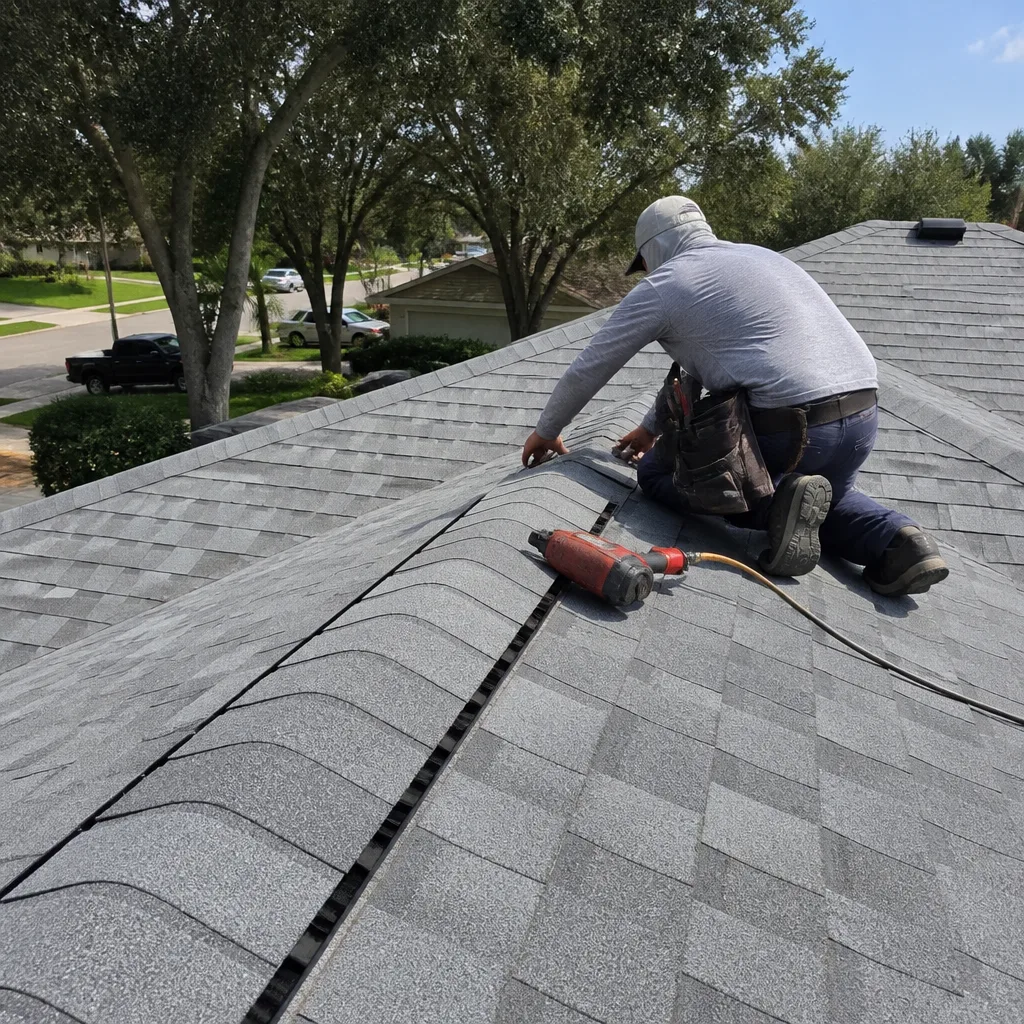
Bathroom exhaust vent boots, ridge vents, and soffit vents are part of a complete roof system. A soffit-to-ridge ventilation path costs $400 to $800 and directly impacts your attic temperature, which in a Tampa summer can decide whether your air conditioner runs 14 hours or 18 hours a day. Our Seasonal Roofing Care for Tampa: Year-Round Homeowner’s Guide covers how ventilation fits into year-round maintenance. Estimates that exclude ventilation upgrades are leaving money on the table for the homeowner, not saving them money.
Flashing and Counter-Flashing
Flashing is the metal material that seals the joints where the roof meets a wall, chimney, or skylight. Counter-flashing is the second layer that covers the top edge of the first flashing piece. On a typical Tampa home, expect $400 to $900 for new flashing at penetrations and transitions. This line item is often the first thing to get cheap on a low bid: old flashing gets reused, or thinner-gauge material gets installed, and the result is leaks at the chimney or the wall junction within two years.
Permitting
Roofing Permits, Codes & Inspections in FL: What You Need to Know explains that roofing permits in Hillsborough County and the City of Tampa run $150 to $400 depending on the scope. Tampa requires a permit for any roofing project that replaces more than 25% of the roof surface. The permit fee should be a pass-through line item, not a markup opportunity. Legitimate contractors list it at cost.
Labor
Labor for a Tampa roof replacement runs $3,500 to $8,000, roughly 35-45% of the total. This covers the crew’s install time, the foreman’s supervision, and the time it takes to pass the required inspections. Tampa’s labor market for roofing is competitive, and the contractors who pay their crews properly and run background checks have higher labor costs. The ones who pay day labor in cash have lower labor costs, and it shows in the work and in the accountability structure.
Waste Factor and Materials Overage
An honest estimate includes a 10-15% waste factor on materials to account for cuts, valleys, and hips. This is standard practice. When you see an estimate that calculates material at exactly the roof surface square footage with no waste factor, the contractor either doesn’t know what they’re doing or they’re going to show up short on material and bill you for the rest at a premium.
How Roof Square Footage Actually Works: Pitch, Waste, and the 2,000-to-2,800 Sq Ft Trap
Your house has 2,000 square feet of living space, and your roof estimate says 2,800 square feet of roofing surface. That’s not a scam. It’s geometry. Here’s the breakdown.
A roof with a 6/12 pitch (meaning the roof rises 6 inches vertically for every 12 inches of horizontal run) has a pitch multiplier of 1.118. A 2,000 sq ft house with a simple gable roof at 6/12 pitch has a roof surface area of approximately 2,236 sq ft. Add a garage, add a porch overhang, add a hip roof design instead of a gable, and you can easily land at 2,600 to 2,800 sq ft of roofing surface. Tampa homes built from the 1950s through the 1970s often have hip roofs with multiple facets and moderate pitches, which increases the roofing surface relative to the floor plan.
Here is how the math works:
- Roofing squares are measured in 100 sq ft units. A 2,800 sq ft roof equals 28 squares.
- The pitch multiplier adjusts for slope. A 4/12 roof has a multiplier of 1.054. A 8/12 roof has a multiplier of 1.202. Steeper roofs take more material and more labor.
- Waste factor adds 10-15%. Every cut at a valley or hip produces scrap. The more complex the roof geometry, the higher the waste factor.
Compare this to what a roofer in Tampa calls a “roofing square” and you can quickly spot estimate discrepancies. If one estimate calculates 24 squares and another calculates 28 squares for the same house, one of them measured the wrong roof or is underbidding the surface area to look cheaper. Ask to see the roof measurements on the estimate. A legitimate contractor will show them to you.
Insurance-Funded Roof Replacements: What’s Covered, What’s Not, and Depreciation Holdback
In Tampa, wind and hail damage claims drive a significant share of roof replacements. Homeowners insurance in Florida typically covers roof replacement on an Actual Cash Value (ACV) basis for roofs older than 10 years, or on a Replacement Cost Value (RCV) basis for newer roofs. Here’s what that means for your wallet.
RCV means the insurance company pays the full replacement cost, minus your deductible. ACV means the insurance company pays only the depreciated value of the roof, leaving you to make up the difference. On a 15-year-old shingle roof, depreciation can eat 40-60% of the replacement value, which turns a $14,000 roof reimbursed at RCV into a $6,500 check at ACV. The remaining $7,500 is yours to cover.
Then there’s depreciation holdback. Insurance companies typically issue two payments: an initial Actual Cash Value payment, then a holdback for the recoverable depreciation amount after you show proof of completed work. Expect the holdback to be released only after the roofing contractor submits a certificate of completion and final invoice. The gap between the first payment and the holdback release can run 30-60 days, which means the contractor is carrying labor and material costs in the interim. Reputable Tampa roofers build this into their payment schedule and don’t demand the full holdback upfront. Less reputable ones may pressure you to sign a direction to pay, which routes the entire insurance settlement directly to them before work is complete. Read any document that uses the phrase “assignment of benefits” carefully before signing.
Code upgrades are another gap. If your home was built before the 2002 Florida Building Code, a roof replacement may trigger code-required improvements: roof deck re-nailing, secondary water barrier installation, or wind mitigation upgrades. Standard homeowner policies do not always cover these. If your policy has a “law and ordinance” endorsement, it typically covers 10-25% of the dwelling coverage limit for code upgrades. If you don’t have that endorsement, the upgrade cost comes out of your pocket. On a Tampa home built in 1985, the re-nailing and barrier upgrade can add $800 to $2,000 to a job.
Before any insurance work starts, we recommend getting a Roof Inspection in Tampa that documents the damage in writing. That inspection report is what you show the adjuster, and it’s hard to dispute a written record with photos and measurements.
Tampa-Specific Code Upgrades That Add to Your Roof Bill
Florida’s building code is stricter than most, and Hillsborough County enforces it. If your roof is being replaced under permit, these upgrades may be required and they show up as real line items.
- Roof deck re-nailing (Section 706.7 of the Florida Building Code). Pre-2002 homes with 6d nails spaced wider than 6 inches on center must be re-nailed to meet current wind uplift standards. Cost: $500 to $1,200.
- Secondary water barrier. Florida code requires a secondary water barrier at all roof joints, seams, and penetrations when the roof is replaced. This is the peel-and-stick membrane we mentioned earlier. Cost: $400 to $900.
- Wind mitigation documentation. The contractor must complete a Uniform Mitigation Verification Inspection Form certifying the new roof’s wind mitigation features. This form can reduce your homeowner’s insurance premium by 15-35%, and the inspection fee runs $75 to $150.
- Roof-to-wall connections. Some older Tampa homes require retrofit clips or straps connecting the roof deck to the wall plates. Cost: $200 to $600 depending on access.
These code upgrades are not optional extras. They are required by Hillsborough County for any permitted roof replacement. A contractor who tells you they can skip them and save you money is asking you to accept an unpermitted roof, which will come back on you at resale or at claims time.
Using the Breakdown as a Negotiation Tool: Questions to Ask and Payment Schedules That Protect You
You now know the line items. Here’s how to use them. When you have two or three estimates in hand, compare them line by line, not bottom line to bottom line. A $14,000 estimate with a decking allowance and synthetic underlayment may be a better value than a $12,500 estimate that omits both.
Questions to ask every Tampa roofer before signing:
- Is the decking repair allowance included, and at what per-sheet price? If it’s not listed, the low estimate is an incomplete estimate.
- What underlayment grade is specified, and is it written on the estimate? You want the spec on paper.
- Is the permit pulled in the company’s name, and who schedules the inspections? The permit holder is legally responsible for the work.
- What’s the payment schedule, and is the final payment due after the final inspection passes? A typical schedule is 10-20% at contract signing, 30-40% at material delivery, 30-40% at tear-off completion, and the balance after final inspection. Nothing unusual there, but the balance must be tied to inspection, not installation.
- Is the price fixed, and does the written estimate match the written contract? If the number changes at the door, walk away.
A payment schedule that protects you looks like this: a down payment that’s not more than 20%, progress payments tied to specific milestones, and a final payment that’s not released until the roof passes the Hillsborough County inspection and the contractor provides a lien waiver. This last item is the one most homeowners forget. Without a lien waiver, a subcontractor who wasn’t paid by the general contractor can file a mechanic’s lien against your home. Ask for it before you release the final check.
If any contractor in Tampa won’t answer these questions or won’t put the answers in writing, that is the end of the conversation. There are too many qualified roofers in Hillsborough County to settle for vague answers.
What a Real Warranty Looks Like in Writing
Roofing warranties in Tampa come in two confusing flavors: manufacturer warranties on the material and workmanship warranties from the contractor. The manufacturer warranty covers defects in the shingle or tile itself, typically 20-50 years, but it does not cover installation errors. The workmanship warranty covers what the installation crew did, and that’s the one that matters when a roof leaks at a flashing joint after two months.
Here is what a workmanship warranty should include in writing:
- The duration in writing, not spoken. A verbal “we stand behind our work” is not a warranty. A written one-year guarantee is a warranty.
- What it covers. Workmanship-related leaks, nail pops, shingle blow-offs caused by install error, and seam failures.
- What happens if a repair fails. In our operation, the 365-Day Done Right Promise is written into the contract. If a repair or installation fails within one year, we come back and fix it at no charge. No scheduling runaround, no bid for a second repair.
- Who performs the repair. The same background-checked, uniformed technicians who did the original work, not a subcontracted crew you’ve never met.
Materials on Tampa roofs come from manufacturer lines including GAF, Atlas, and Tamko, and the manufacturer’s material warranty is a separate document from the contractor’s workmanship guarantee. Keep both. The manufacturer warranty requires proof of proper installation and often requires registration within 30-60 days of completion. A good contractor handles that registration for you and hands you the paperwork.
Common Mistakes to Avoid
- Comparing estimates by bottom line only. A $12,000 estimate that excludes decking replacement and uses felt underlayment may end up costing $16,000 after change orders. Compare line items, not totals.
- Not checking the permit status. In Tampa and Hillsborough County, an unpermitted roof replacement can void your insurance coverage, complicate a home sale, and leave you liable for code violations discovered later. Confirm the permit is pulled before material shows up.
- Skipping the decking allowance. Tampa’s humidity makes decking rot common, especially on roofs older than 15 years. If your estimate doesn’t include a decking repair allowance, you’re betting against humidity, and the house loses that bet.
- Releasing the final payment before the final inspection passes. The inspection is the county’s sign-off that the roof meets code. If you pay before the inspection, you lose your only leverage for corrective work.
- Ignoring the lien waiver. The final payment should always be exchanged for a signed lien waiver from the contractor and any major subcontractors. Without it, you can be forced to pay twice for the same roof.
- Choosing the cheapest bid as a default. The cheapest bid in Tampa often comes from a contractor who runs cash labor, skips the permit, or cuts material specs to hit a number. The most expensive bid isn’t automatically better either. The best bid is the one with the clearest line items and the most specific written commitments.
When to Call a Professional
If you’re seeing water stains on your ceiling, granules collecting in your gutters, or shingles lifting after a storm, this is not the time to climb up for a look. Steep-pitch roofs and tile roofs are genuinely dangerous to walk without proper equipment, and the injury risk is not worth the diagnostic value. A professional Roof Repair in Tampa inspection identifies the source of a leak without putting you on a ladder.
You should also call a roofer before you file an insurance claim. A written inspection report that documents wind or hail damage is far more effective with an adjuster than a verbal description of “the roof looks bad.” Brennan Roofing Co Tampa offers free estimates throughout Tampa, including South Tampa, Westchase, Carrollwood, and New Tampa. Call (850) 750-9193 to schedule yours.
Frequently Asked Questions
A full roof replacement in Tampa typically costs between $8,500 and $22,000 for a shingle roof, with architectural shingles on an average home running $11,000 to $16,500. Tile roofs run $28,000 to $45,000. The exact number depends on roof size, pitch, decking condition, and material specs. Call (850) 750-9193 for a written line-item estimate on your specific home.
Most shingle roof replacements in Tampa are completed in 2 to 5 days, depending on roof size and weather. Tile roofs typically run 7 to 12 days due to the heavier material and slower installation pace. The permitting process adds 1 to 3 weeks before work begins, so total timeline from estimate to completion is typically 4 to 8 weeks.
Yes. Hillsborough County and the City of Tampa require a building permit for any roofing project that replaces more than 25% of the roof surface. The permit must be issued before work begins, and a final inspection must pass before the job is legally complete.
It shouldn’t, but the honest answer is that decking condition can’t be fully known until the old roof comes off. A legitimate estimate includes a written decking repair allowance with a per-sheet price. What should not change is the base labor, material, and disposal pricing. Any contractor who tries to raise the base price mid-job is violating their own estimate. At Brennan Roofing, the price goes on paper before any work starts, and it does not move at the door.
In the current Tampa market, a new roof is a significant selling point because insurance carriers have tightened roof age requirements for new policies. Buyers are more willing to pay full asking price for a home with a documented 2026 roof replacement than to inherit a 20-year-old roof with an insurance problem. If your roof is 15 years old or older and you’re selling within 12 months, the replacement often pays for itself in sales velocity and offer quality.
Ask for three documents: the final passed inspection report from Hillsborough County, the manufacturer warranty registration confirmation, and the signed lien waiver from the contractor. These three documents protect you from code liability, material defect disputes, and mechanics liens respectively. Any legitimate Tampa roofer will hand you all three without being asked twice.
The Bottom Line
Roofing estimates in Tampa look wildly different because contractors are not all measuring the same job. The line items tell the story: decking allowance, underlayment grade, drip edge material, ventilation spec, permit line, and waste factor. Learn to read those lines and you’ll know which bid is honest before you ever pick up the phone. The process works in your favor when you demand a written price before work starts, tie final payment to the passed inspection, and get the warranty in writing. For a free written estimate on your Tampa roof, call (850) 750-9193. The Brennan Roofing Co Tampa home page has more on how we work.
Written by Travis Oakley, Owner at Brennan Roofing Co Tampa, serving Tampa since 2000.
See the difference
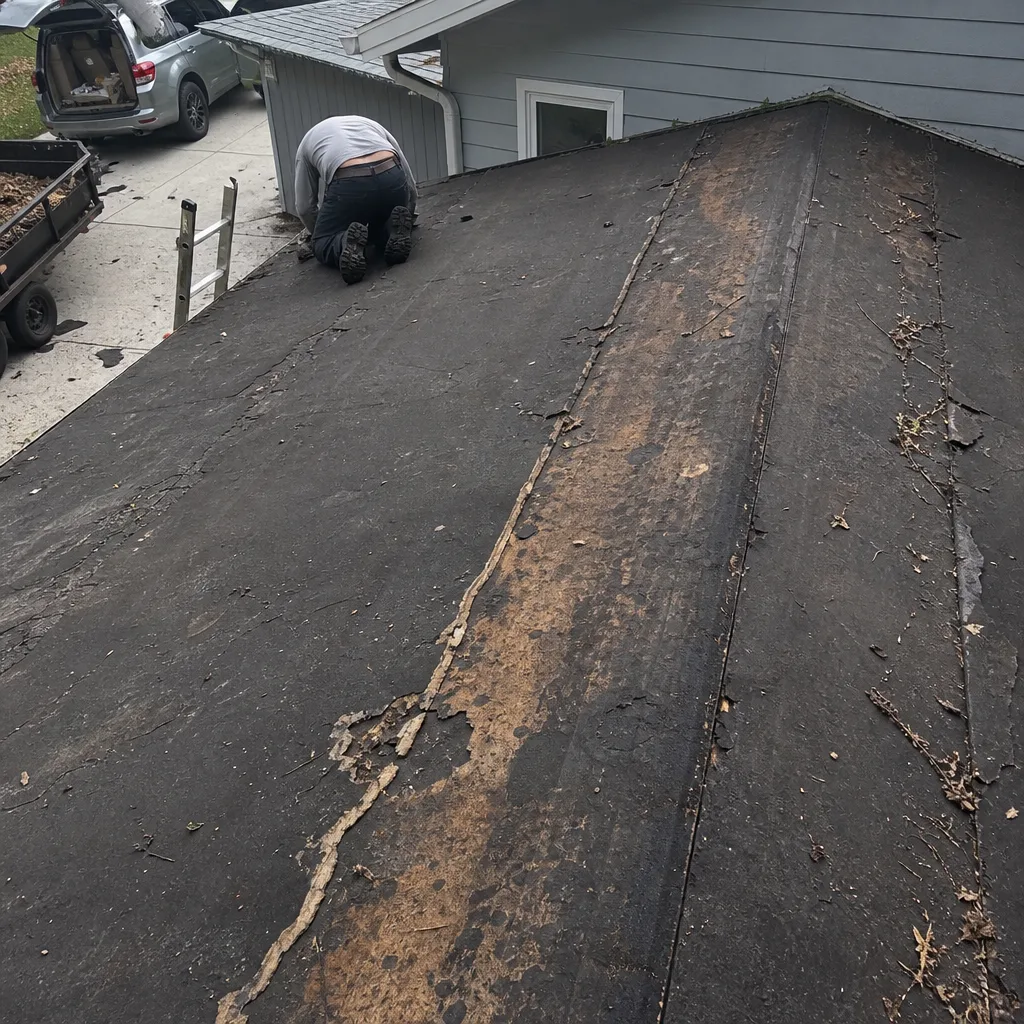 Before
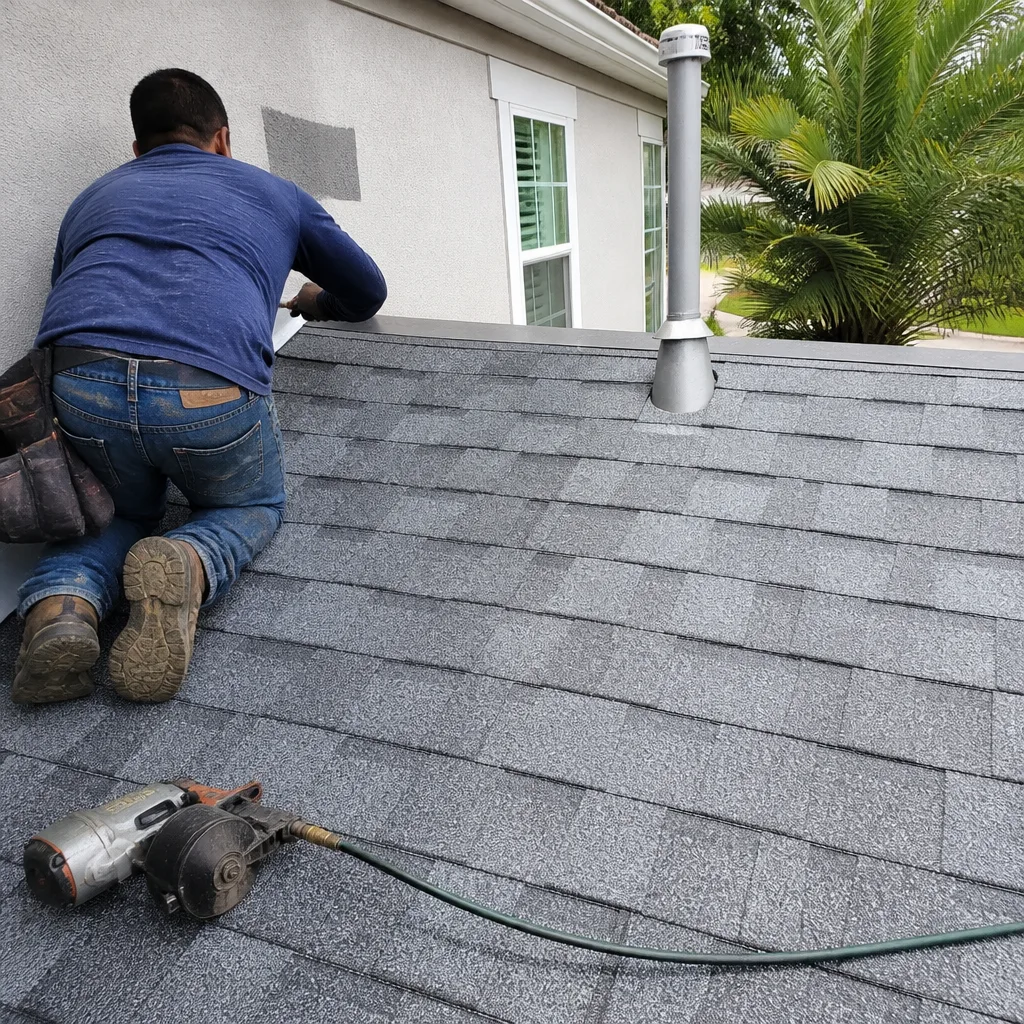 After
After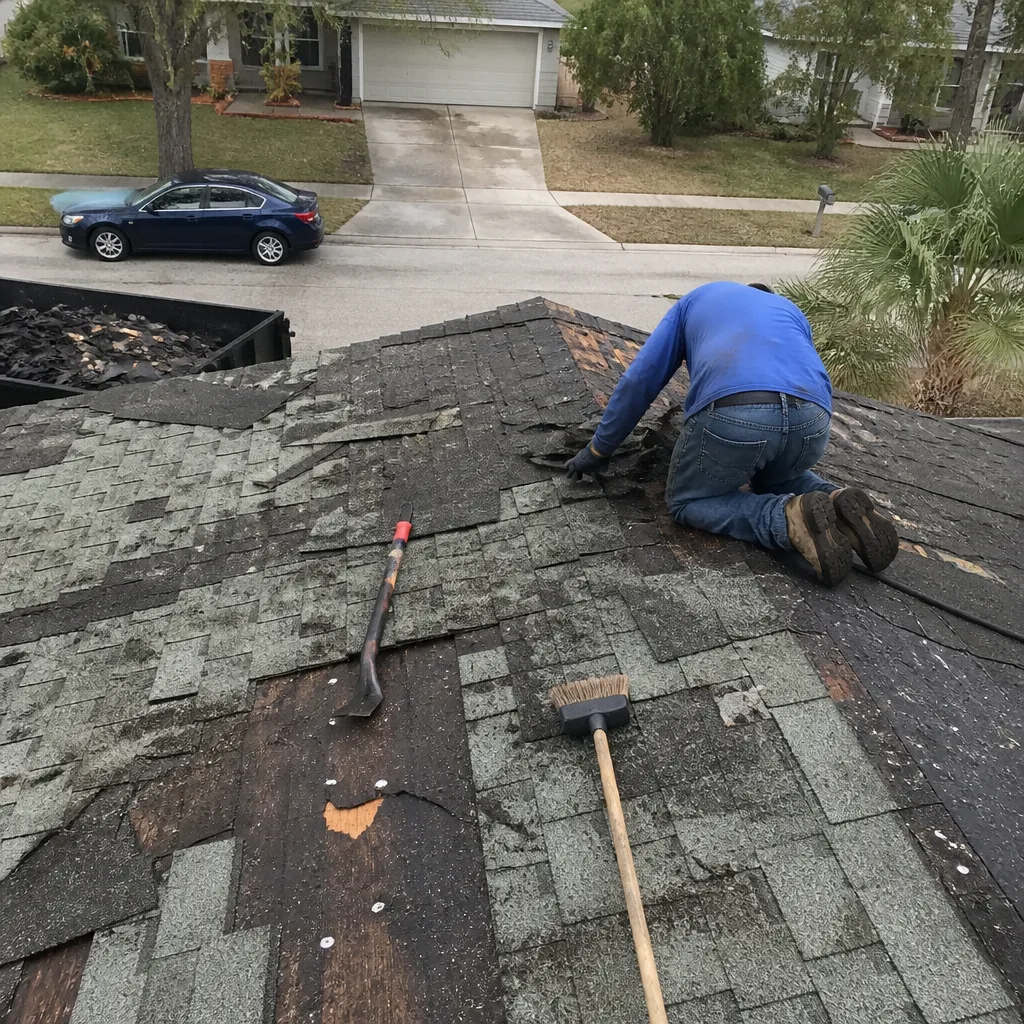 Before
 After
After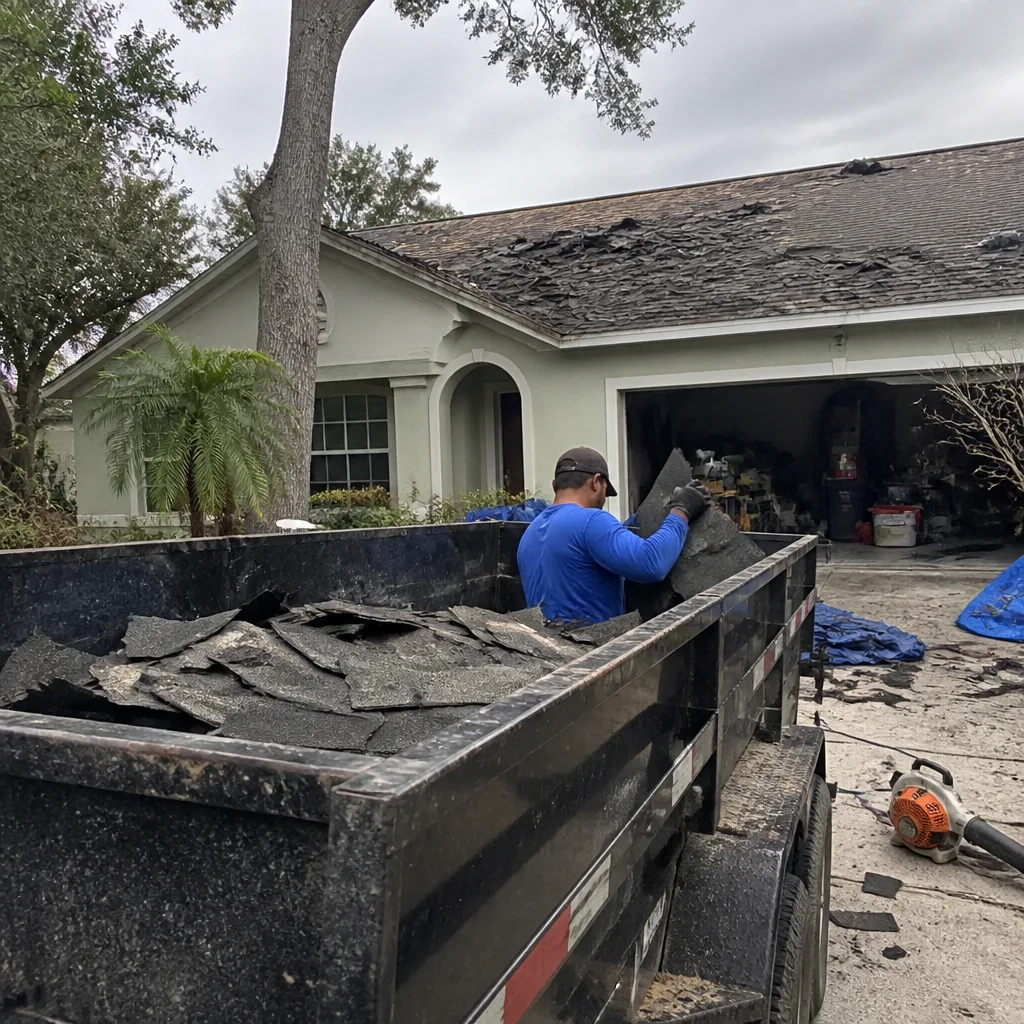 Before
 After
After