
Last updated October 17, 2026
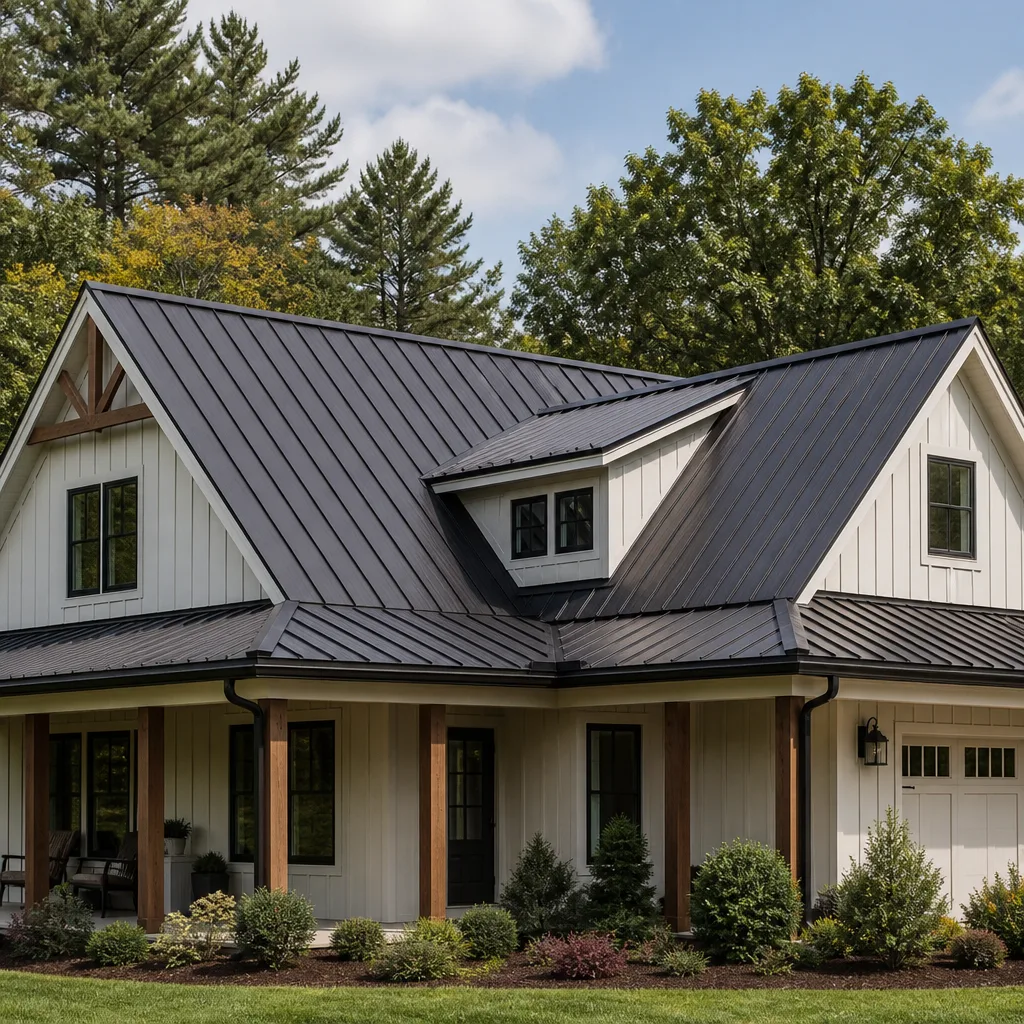 Metal roofing
 Architectural shingles
 Tile roofing
 GAF
GAF Owens Corning
 Flat & low-slope
Free roof inspection with deck photos before we talk money - GAF and Owens Corning certified installation
Seasonal Roofing Care for Tampa: Year-Round Homeowner’s Guide
Most Tampa homeowners have their roof inspected in April, right before the summer storms arrive. By then, it’s already too late to catch the slow damage that started the previous November. Tampa doesn’t have four seasons. It has a dry season, a wet season, and a hurricane window nested inside the wet season. Each phase stresses a residential roof in different ways, and a care plan built around Tampa’s actual calendar will save you more money than any generic spring-and-fall checklist ever will. This guide gives you that plan: what to do, when to do it, and which tasks actually matter versus the ones that just make you feel busy. For more guides & resources, visit our blog.
Styles & brands we work with
Quick Answer
The core of seasonal roof care in Tampa is this: inspect in November when the hurricane season closes, prep in February before the spring rain pattern starts, monitor during the June-to-October storm window, and document everything within 48 hours after a named storm passes. Each phase has a specific set of tasks, and skipping the November inspection is the most expensive mistake a Tampa homeowner can make.
Table of Contents
- Tampa’s Real Seasonal Calendar for Roofing
- The November Dry-Season Inspection
- Thermal Expansion: What Tampa Heat Does to Your Roof
- February Pre-Storm-Season Preparation
- June to October: Active-Season Monitoring Protocol
- The 48-Hour Post-Storm Inspection
- Moisture Load: Vents, Gutters, and Roof Deck Protection
- Which Roofing Materials Hold Up Best in Tampa
- Common Mistakes to Avoid
- When to Call a Professional
- Frequently Asked Questions
- The Bottom Line
Tampa’s Real Seasonal Calendar for Roofing
Forget what roofing guides written for Ohio or Georgia tell you. Tampa operates on a three-part climate cycle that dictates when your roof takes specific kinds of abuse.
The dry season runs roughly from November through April. Rain becomes scarce, humidity drops, and daytime temperatures stay moderate. This is the window when your roof is easiest to inspect safely and when sealants and adhesives cure properly. It is also the window when most repairs should be scheduled, because the roof deck and underlayment are dry enough to work with.
The wet season runs from May through October. Tampa receives roughly 50 inches of rain annually, and the overwhelming majority falls during these months. Daily afternoon thunderstorms are routine. Water enters any small opening and sits, accelerating rot, mold, and shingle delamination. A gap that was cosmetic in March becomes a leak in July.
The hurricane window sits inside the wet season, officially June 1 through November 30, with peak activity in Tampa between late August and mid-October. Wind-driven rain behaves differently than vertical rain. It gets pushed sideways into ridge vents, under drip edges, and through gaps in flashing that ordinary rainfall never touches. A roof that handles a normal Tampa downpour without issue can still leak during a tropical storm if its perimeter edges aren’t tight.
We wrote this guide because homeowners in Tampa ask us the same questions every year: when should I actually have someone look at my roof, what should I do before storm season, and what should I check after a storm passes. The answer is a calendar, not a checklist. Roof inspection in Tampa works best when it matches this calendar.
The November Dry-Season Inspection
November is the single most valuable month on the Tampa roofing calendar. The hurricane season officially closes on November 30. The dry season is beginning. Your roof has just absorbed six months of rain, wind, and heat. Every problem that developed over the summer is now visible and dry.
Most homeowners do their roof inspection in April. By then, storm season is weeks away and the damage from the previous year has had five additional months to compound. The November inspection catches problems early, gives you the entire dry season to schedule repairs without weather pressure, and lets any new sealant or flashing work cure in ideal conditions.
Here is what a November inspection should cover in Tampa:
- Shingle and tile condition: Look for cracked, curled, or missing material. Tampa’s summer heat causes asphalt shingles to expand and contract daily, and the first signs of fatigue usually appear in November.
- Flashing integrity: Check the metal strips where the roof meets chimneys, skylights, vent pipes, and walls. Caulk and sealant breakdown is common after a Tampa wet season.
- Gutter and downspout flow: Clear debris and check for sagging. Water that overflows gutters gets into the fascia and soffit, and that moisture wicks upward into the roof deck.
- Soffit and ridge vent clearance: Blocked vents trap heat and humidity in the attic, which shortens shingle lifespan and raises cooling costs from May through October.
- Interior ceiling and attic checks: Look for water stains, mold, or daylight visible through the decking. Attic inspection matters because Tampa’s humidity hides slow leaks that never produce an obvious drip.
The November inspection is not a one-day event. It is the start of a dry-season maintenance window that should wrap up by February. Brennan Roofing Co Tampa schedules most of its roof repair in Tampa work between November and March for exactly this reason.
Thermal Expansion: What Tampa Heat Does to Your Roof
Tampa’s summer heat does not just make your attic hot. It physically changes the materials on your roof, and different materials respond differently. Understanding these differences tells you which parts of your roof need more frequent attention.
Asphalt shingles: The surface of an asphalt shingle roof in Tampa can reach 160 degrees Fahrenheit on an August afternoon, then drop to 75 degrees after a thunderstorm. That temperature swing causes the shingles to expand and contract daily. Over several years, this cycling weakens the adhesive bond between shingle layers and causes the granular surface to shed. That is why we see more granule loss and more loose shingles on Tampa roofs than on roofs in cities with more stable summer temperatures. Shingles that look fine in February can be noticeably brittle by October.
Tile mortar: Concrete and clay tile roofs rely on mortar to hold ridge caps and hip tiles in place. Mortar does not flex. When the roof deck under the tile expands and contracts with heat, the rigid mortar eventually cracks and crumbles. We routinely see loose ridge tiles on Tampa tile roofs after two or three summers, even on installations that were done correctly. Tile roofs need a ridge-cap mortar check at least once per year, and November is the right time for it.
Flashing and sealant: Metal flashing expands and contracts at a different rate than the surrounding shingle or tile. The sealant joints where flashing meets roofing material are the highest-stress points on the entire roof. Tampa’s heat cycle causes these sealant beads to crack and pull away faster than almost any other roofing component. In our experience, sealant failure at flashing joints is the single most common cause of leaks on Tampa homes that are less than 15 years old.
The practical takeaway: if you have a tile roof, check the mortar every year. If you have an asphalt shingle roof, watch for granule loss and loose shingles starting around year eight. Regardless of material, have the flashing joints checked every November. The materials that suffer most from Tampa’s thermal cycling are also the cheapest to fix when caught early.
February Pre-Storm-Season Preparation
February is the last month of reliable dry-season conditions before the spring rain pattern returns. This is when you finish the work that the November inspection identified and prepare the roof for what is coming. In Tampa, the April and May rains are often the first test of whether your roof will survive the summer. Waiting until June to address those items means addressing them in the rain.
These are the pre-storm-season tasks that actually reduce damage risk, in order of impact:
- Tighten every penetration point: Vent pipes, plumbing stacks, exhaust vents, and any object that pokes through the roof surface. These are where water enters first under wind-driven rain.
- Secure loose ridge caps and hip tiles: A loose ridge cap becomes a projectile in 80 mph wind, and every tile it hits becomes a new opening.
- Replace cracked or missing shingles: One missing shingle allows wind to lift the surrounding courses. What starts as one square foot of damage can become three squares during a tropical storm.
- Re-seal flashing joints: The dry season gives sealant the clean, dry surface it needs to bond properly.
- Verify gutter attachment: Gutters that are barely hanging on will fail during a storm and dump water directly against the foundation and fascia.
- Clear tree limbs within six feet of the roofline: The largest preventable source of storm damage we see is a limb that scrapes the roof for months before a storm, then breaks and punctures it during one.
One task that is largely security theater: buying a blue roof tarp in February and assuming it will protect your roof during a hurricane. If you’re weighing whether to tackle repairs yourself, see our DIY vs Professional Roofing: The Tampa Homeowner’s Decision Guide. Tarps are a post-damage temporary measure, not a preventive one. A tarp installed before a storm will likely tear in the wind, and it does nothing to protect the roof surface underneath. The money is better spent on the six tasks above.
June to October: Active-Season Monitoring Protocol
Once the wet season starts, the goal shifts from preparation to observation. You are not going to get on your roof in July unless there is an emergency. What you do is watch for the signs that something is failing, so you can intercept it before a small issue becomes an interior leak.
Here is the active-season monitoring protocol we recommend for Tampa homeowners:
- After every heavy thunderstorm, check the ceilings: Walk every room and look at the ceiling corners and around light fixtures. A water stain that appears within hours of a storm is a leak that is active right now.
- Check the attic once per month: Look for daylight, damp insulation, or musty odors. Tampa’s humidity makes the attic a place where moisture hides.
- Listen for unusual sounds during high wind: Flapping, rattling, or banging sounds during a storm often mean a loose shingle, gutter, or flashing component.
- Watch the gutter discharge during rain: If water is overflowing the gutters or pouring behind them, the water is going somewhere other than where it should.
- Keep the yard clear of roof debris: After any wind event, look for shingle tabs, tile pieces, or flashing material on the ground. Those pieces came from somewhere.
The point of this protocol is not to turn you into a roofer. It is to catch the early warning signs before they become a ceiling stain. Most of the emergency repairs we do in Tampa during the wet season could have been routine repairs if the warning signs had been caught a few weeks earlier.
The 48-Hour Post-Storm Inspection
After a named storm passes, the clock starts. Water damage that is addressed within 48 hours costs a fraction of what it costs if it sits for two weeks. Mold begins to establish in 24 to 48 hours in Tampa’s humidity, and a small water intrusion becomes a roof deck replacement if left unchecked.
Here is what to look for in the first 48 hours after a named storm passes:
- Missing or displaced shingles or tiles: Walk the perimeter of the house and look for gaps in the roofline. Binoculars work if you cannot see clearly from the ground.
- Lifted or damaged flashing: Wind-driven rain often peels flashing back from chimneys and walls. This is the most common hidden leak source after a storm.
- Dented or punctured metal components: Ridge vents, drip edges, and any exposed metal surface can be dented by flying debris. A dented ridge vent may not look serious, but it changes the airflow in your attic and can allow water in.
- Interior water stains on ceilings and walls: New stains that appear within 48 hours indicate an active leak that is still letting water in.
- Granule accumulation in gutters and downspouts: A large amount of granules after a storm means the shingle surface was abraded by wind and debris. This shortens the remaining lifespan of the roof.
Damage that can wait includes cosmetic granule loss without shingle damage, minor denting that does not penetrate, and staining that is dry and old. Damage that cannot wait includes any active water intrusion, loose flashing at penetration points, and missing shingles that expose the underlayment or decking. If you are unsure, document it with photos and get a professional opinion. Insurance claims are easier when the damage is documented early.
Moisture Load: Vents, Gutters, and Roof Deck Protection
Tampa gets roughly 50 inches of rain per year, and the way your roof handles that water determines how long the decking and framing last. The roof surface itself is only half the system. The ventilation and drainage components are the other half, and they are the parts most homeowners ignore.
Soffit vents: These are the intake vents under the eaves. They pull air into the attic from outside. When they are blocked by dirt, insulation, or paint, the attic stops breathing. Humid air sits in the attic, condenses on the underside of the roof deck, and rots the plywood from above. In Tampa, a blocked soffit vent system can take years off the life of a roof deck.
Ridge vents: These run along the peak of the roof and let hot, humid air escape. A ridge vent that is clogged with debris or improperly installed traps moisture in the attic. The combination of Tampa’s 90-degree summer heat and trapped humidity turns an attic into a steam box. We have pulled apart roof decks in Tampa that looked fine from the outside but were soft and black from moisture damage above the ridge line.
Gutters: Gutters are not just about managing water at the ground. A gutter system that overflows sends water behind the fascia board and into the soffit. From there, it wicks into the roof deck. A clogged gutter on a Tampa home can cause roof deck damage that has nothing to do with the roof surface itself.
The practical check: once in November and once in February, make sure every soffit vent is visibly clear, every ridge vent opening is unobstructed, and every gutter and downspout moves water freely. If water does not flow away from the house, it is flowing into something.
Which Roofing Materials Hold Up Best in Tampa
If you are planning a roof replacement in Tampa, the material you choose has a bigger impact on your long-term maintenance burden than almost anything else. We install materials from several manufacturer lines, and the right choice depends on your home, your budget, and how long you plan to stay in the house.
Asphalt shingles (GAF, CertainTeed, Owens Corning, Tamko, Atlas): The most common and most affordable option. In Tampa’s climate, expect the adhesive and granule surface to show meaningful wear starting around year 10 to 12. High-wind-rated shingles hold up better in storms, and the extra cost is usually small relative to the total job. Brands like GAF and CertainTeed offer product lines specifically rated for high wind and high heat, which matter more in Tampa than they do in most markets.
Tile (Boral, others): Concrete and clay tile roofs are extremely common in Tampa and handle heat well, but the mortar joints at the ridge and hips need annual attention. A tile roof can easily last 40-plus years in Tampa if the mortar is maintained, and can fail at year 15 if it is not. The material itself is nearly indestructible. The mortar is the weak point.
Metal: Not as common on Tampa homes, but growing. Metal handles high wind and rain well, and it reflects heat better than asphalt. The tradeoff is fastening and flashing complexity. A metal roof in Tampa is only as good as its fasteners and seam details, and those need a professional who knows the material.
The best material for your Tampa home is the one you will actually maintain. We tell homeowners this: if you are not going to have a tile roof’s mortar checked every year, do not buy a tile roof. If you want the lowest maintenance burden, high-quality asphalt shingles with reinforced flashing details are the most forgiving option for this climate.
Common Mistakes to Avoid
- Inspecting only in April: By April, you are weeks from storm season and months removed from the last hurricane cycle. The November inspection gives you time to repair before the wet season returns.
- Ignoring granule loss: Granules in the gutter look harmless, but on a Tampa asphalt roof they are the first sign that the shingle surface is breaking down. By the time shingles are visibly bald, the decking underneath may already be compromised.
- Assuming tile roofs are maintenance-free: Tile is durable against weather, but the mortar joints are not. A tile roof needs a ridge and hip mortar check every year, or it will start shedding tiles during a storm.
- Skipping the attic inspection: Most leaks in Tampa homes show up in the attic long before they show up as a ceiling stain. If you are not looking in the attic, you are waiting for the damage to reach the drywall.
- Buying a tarp before a storm and calling it preparation: A tarp is a response tool, not a prevention tool. Pre-storm effort should go into securing loose material and clearing flashing drains, not covering the roof with fabric that will tear in the wind.
- Waiting more than 48 hours to address post-storm water intrusion: Tampa’s humidity turns a small leak into a mold problem inside two days. The inspection window after a storm is short, and acting fast saves money.
- Choosing a roofer based on the lowest bid without a written price: In Tampa, the roofing market is competitive enough that low-bid work often comes with add-ons at the end. Get the price in writing before work starts, and know what the guarantee covers.
When to Call a Professional
You can handle the visual inspections, the gutter clearing, and the monthly attic check on your own. You should call a professional when you see granule loss accumulating, loose or missing shingles, cracked tile mortar, water stains on ceilings or attic insulation, or any sign of sagging along the roofline. Any of these items means the roof system has already started to fail, and the longer it waits, the more extensive the repair becomes. Brennan Roofing Co Tampa offers free estimates in Tampa, and every estimate includes a written price before any work begins. Call (850) 750-9193 to schedule yours.
Frequently Asked Questions
Many Tampa roofing companies offer inspections at no charge for homeowners who are concerned about storm damage or general wear. The inspection is a diagnostic visit, not a repair commitment, and it typically takes 30 to 60 minutes. Call (850) 750-9193 to ask about a free inspection from Brennan Roofing Co Tampa home.
Minor roof repairs in Tampa, such as a resealed flashing joint or a few replaced shingles, generally run between $250 and $600 depending on the materials and how accessible the roof section is. Larger repairs, such as replacing a section of rotted decking or resealing an entire valley, cost more. The exact price depends on what the inspection finds. We put the price in writing before any work starts, and it does not change at the door. Call (850) 750-9193 for a written estimate.
No. At Brennan Roofing Co Tampa, the price goes on paper before any work begins, and that is the number on the invoice. If the inspection uncovers additional damage that was not visible from the initial assessment, we stop and get your written approval on a revised price before proceeding. The written price is the standard, not a starting point.
Most minor repairs take half a day to one full day, depending on the materials involved and the weather. Larger repairs, such as partial decking replacement or flashing work around a chimney, may take two to three days. The timeline is laid out in the written estimate before the job starts.
Yes, where the scope of work requires a permit under Tampa and Hillsborough County building codes, the permit is pulled before work begins and the job is completed to pass inspection. We include permit costs in the written estimate, not as an add-on at the end.
Every repair and installation from Brennan Roofing Co Tampa is guaranteed in writing for one full year. If a repair fails within that year, we come back and make it right at no charge. No call-out fee, no diagnostic fee, no conditions. That is the Garrison Standard, and it applies to every job we do.
The Bottom Line
In Tampa, a roof that gets seasonal attention costs far less to own than a roof that gets emergency attention. Inspect in November, prepare in February, monitor from June through October, and act within 48 hours of any storm damage. Follow this calendar and you will catch most failures before they become leaks, extend the life of whatever roofing material you have, and avoid the rush pricing and emergency premiums that come with wet-season repairs. The single most valuable habit on this list is simple: look at your roof in November, every year, without exception.
Written by Travis Oakley, Owner at Brennan Roofing Co Tampa, serving Tampa since 2000.
See the difference
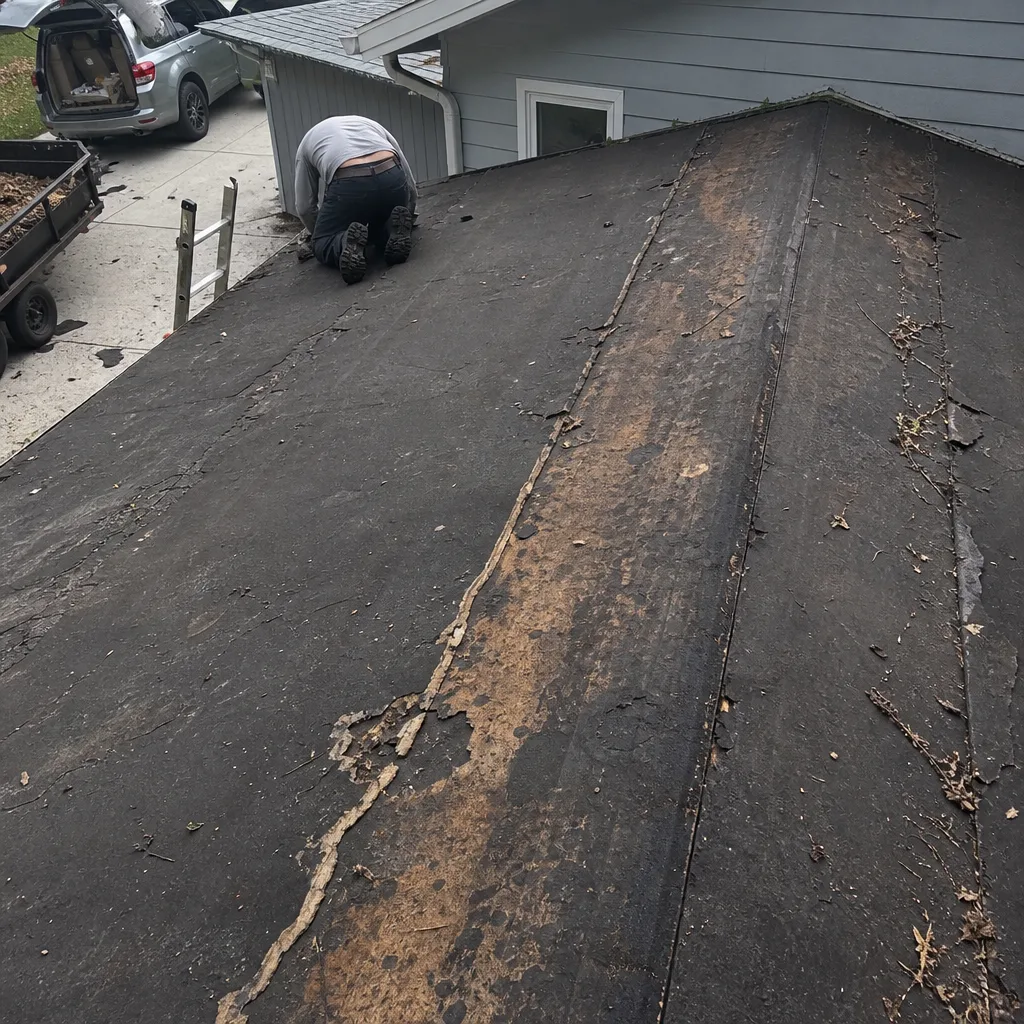 Before
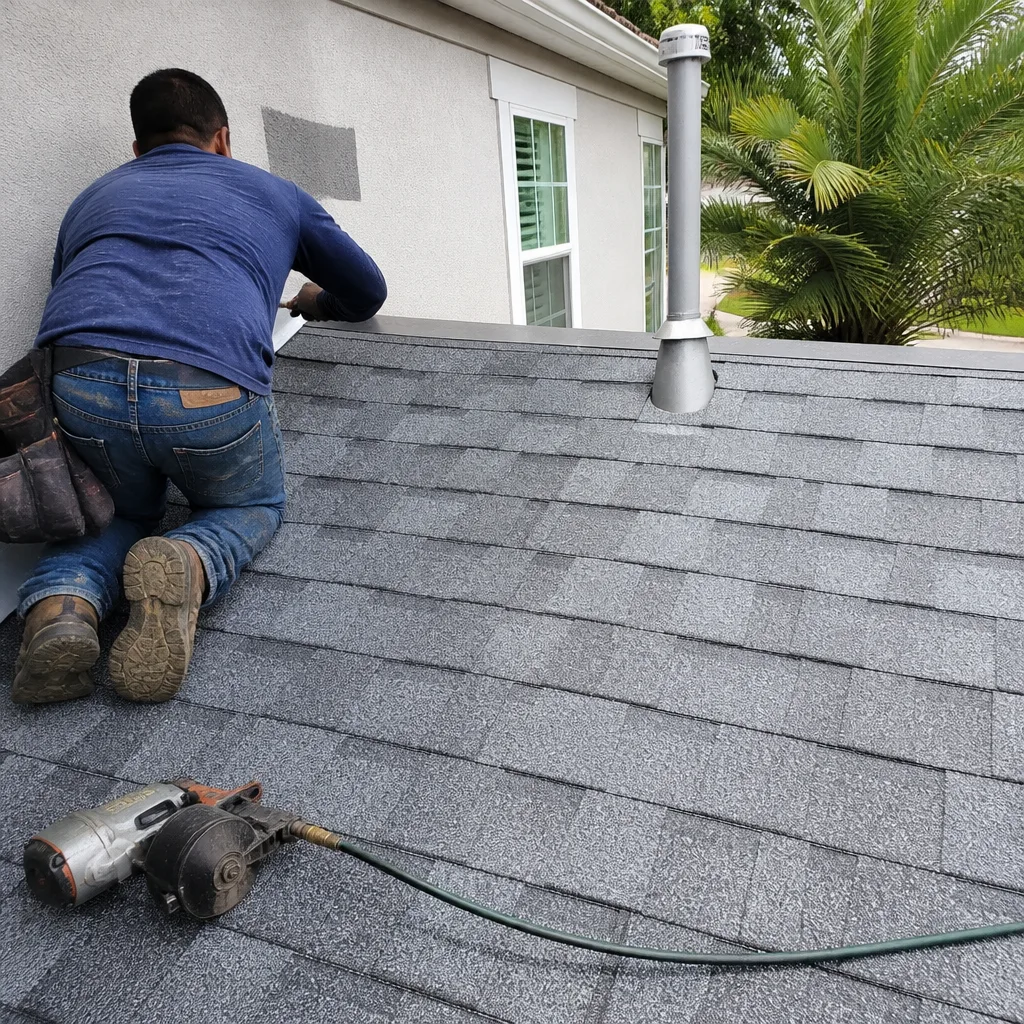 After
After Before
 After
After Before
 After
After