
Last updated October 17, 2026
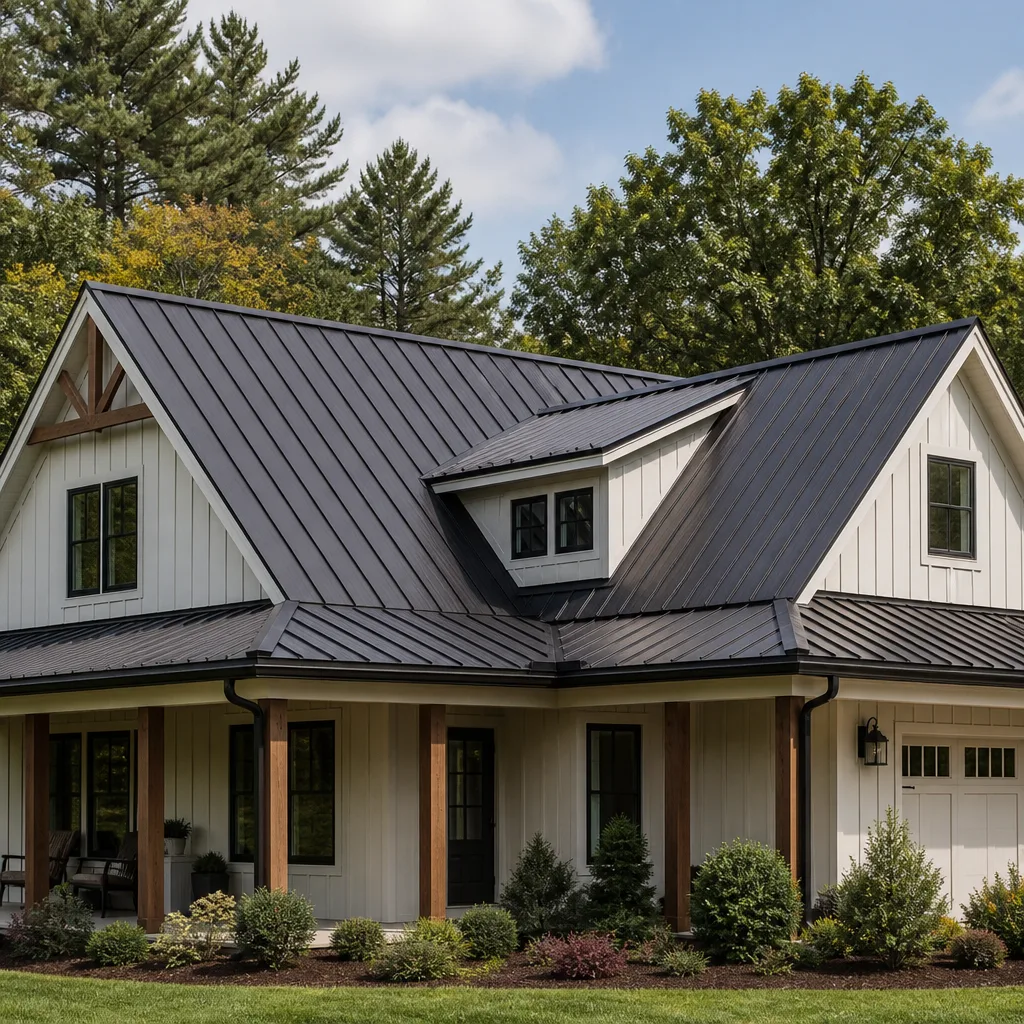 Metal roofing
 Architectural shingles
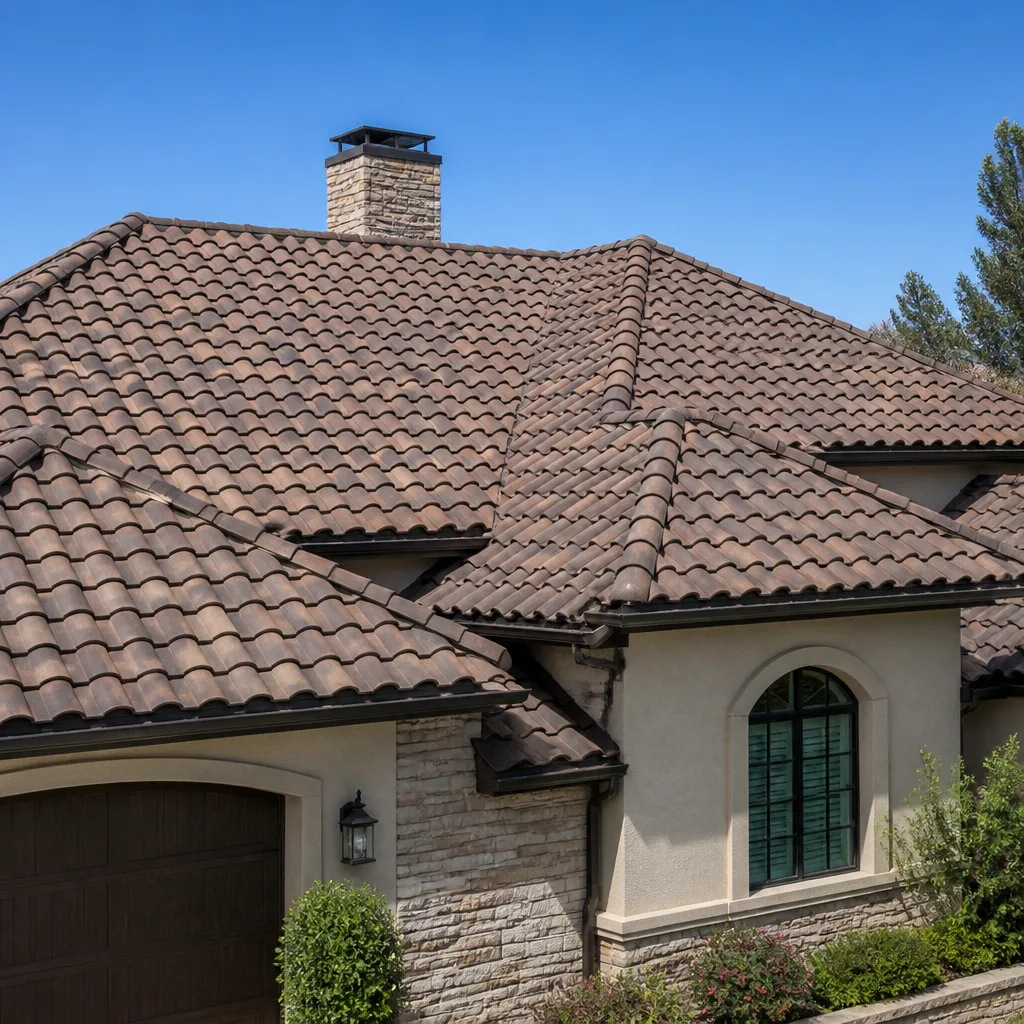 Tile roofing
 GAF
GAF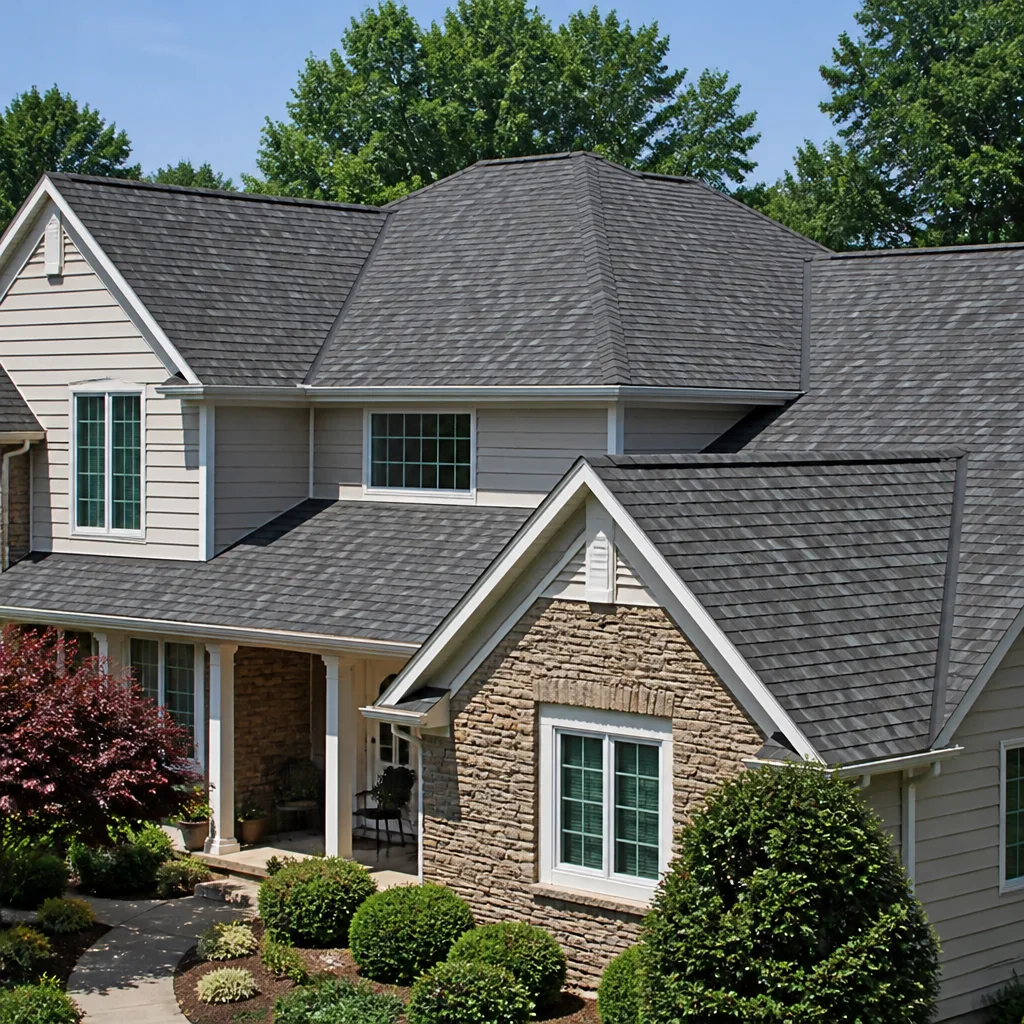 Owens Corning
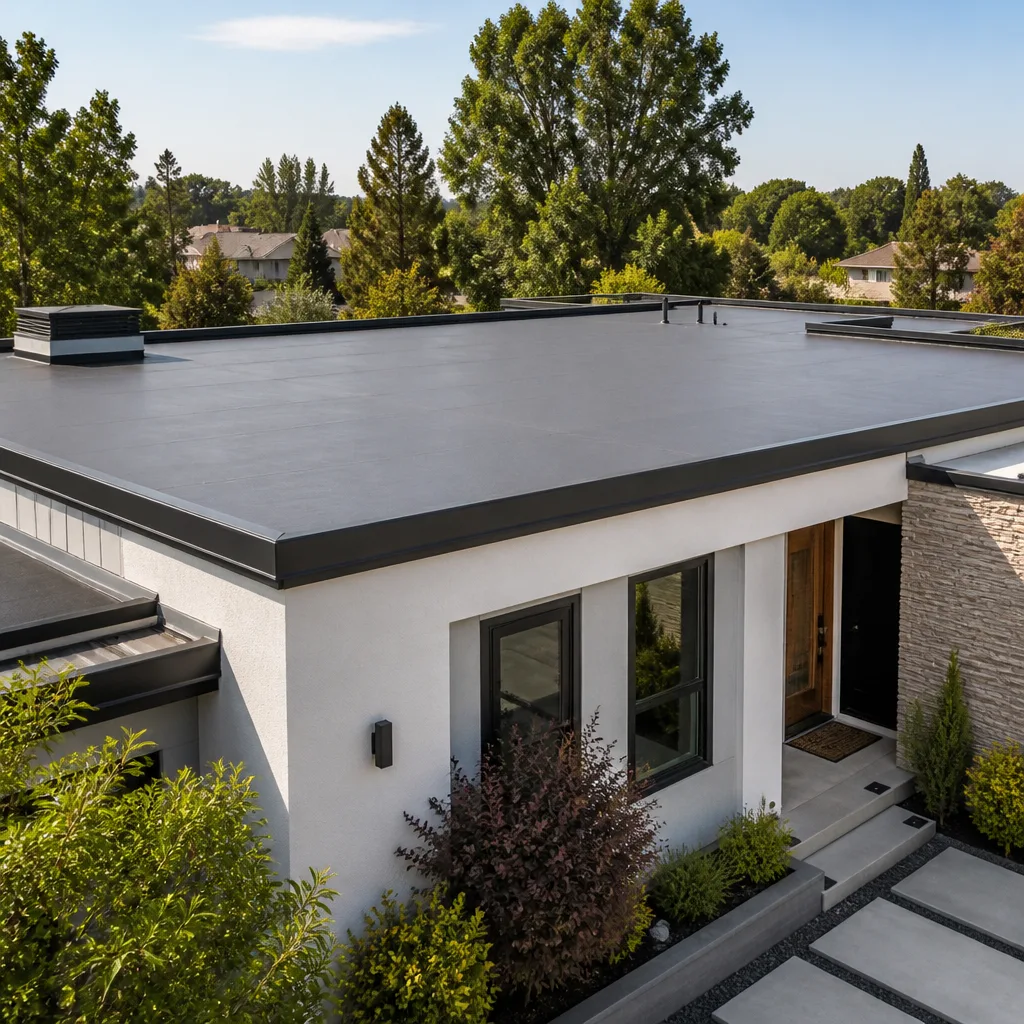 Flat & low-slope
Free roof inspection with deck photos before we talk money - GAF and Owens Corning certified installation
Roofing Warning Signs: A Tampa Homeowner’s Reference Guide
Here’s the uncomfortable truth about roof failures in Tampa: they rarely start with the storm that finally tears a section off. They start quietly, weeks or months earlier, with granule loss in a valley, a lifted shingle tab near the ridge, or moisture wicking through a soffit. The hurricane or afternoon thunderstorm that gets the blame simply finished what months of ignored signals began. Most homeowners in Tampa don’t realize a failing roof announces itself long before it leaks. This guide is built as a field reference you can use this weekend, organized by where on your home to look, so you can catch deterioration before it becomes a five-igure repair. For a deeper dive, see The Complete Guide to Roofing in Tampa.
Styles & brands we work with
Quick Answer
Roof warning signs in Tampa fall into five locations: the ridge line, the field of the roof, eaves and soffits, the attic interior, and your interior ceilings. The most telling signs include granule loss visible at downspout bases or on shingle surfaces, cracked or corroded flashing, dark streaks from algae growth stretching across shingle courses, moisture staining on attic decking, and bubbling paint on exterior soffits. If you spot two or more of these signals in the same area, the roof needs a professional inspection before the next storm season.
Table of Contents
- The Ridge Line: The First Place Failure Shows
- The Field of the Roof: Reading the Shingle Surface
- Eaves and Soffits: The Early-Warning System Most Homeowners Skip
- The Attic Interior: The Truth Beneath the Shingles
- Interior Ceilings and Walls: What Leaks Look Like Before They Drip
- Tampa-Specific Failure Patterns Competitors Miss
- Cosmetic vs. Structural: What Needs Action and What Doesn’t
- Documentation Method: Building a Record That Protects Your Claim
- Common Mistakes to Avoid
- When to Call a Professional
- Frequently Asked Questions
- The Bottom Line
The Ridge Line: The First Place Failure Shows
The ridge line is the highest point of your roof, the horizontal peak where two slopes meet. In Tampa’s climate, it takes the most direct sun exposure, the highest wind loads, and the first hit from wind-driven rain. That’s why ridge deterioration is the most reliable early indicator of roof aging. When ridge shingles crack, lift, or lose granules before the rest of the roof, you’re looking at a system that’s been stressed at its most vulnerable point.
What to look for from the ground or a ladder at the eave line:
- Cracked ridge shingles: Ridge caps bend over the peak at a sharp angle. After years of thermal expansion, the asphalt grows brittle and horizontal cracks appear down the center of each cap. These cracks let water into the nail line.
- Lifted corners: Wind gets under ridge cap edges and pries them upward. A cap lifted even a quarter inch exposes the fastener beneath it.
- Missing granules at the peak: Granule loss concentrates at ridge caps because they bend more than field shingles. If the ridge cap looks lighter or smoother than surrounding shingles, the protective layer is gone.
- Exposed fasteners: Once a ridge cap lifts or cracks, you can see the nail head underneath. A visible nail head at the ridge is an open water channel.
In our experience across Tampa, ridge damage is the repair most often deferred. It looks small from the ground because the ridge is a thin line. But a failed ridge cap can drip water into the attic for months before a ceiling stain appears, and by then the decking around the ridge has already begun to rot. The fix is usually straightforward: remove and replace the damaged caps, check the underlying underlayment, and resecure with proper fasteners. The key is catching it before the deck beneath fails.
If you’re not comfortable on a ladder, a roof inspection in Tampa from a trained set of eyes can identify ridge failure while it’s still a minor repair. Usually under $400. The alternative is a decking replacement that runs into four figures before the shingles go back on.
The Field of the Roof: Reading the Shingle Surface
The field is the large, flat expanse of shingles between the ridge and the eaves. This is where most homeowners look first, and for good reason: the field tells you how much service life the roof has left. But the signals are subtle enough that many people miss them entirely, or misread them as purely cosmetic.
Granule loss: Asphalt shingles are covered in ceramic granules that protect the asphalt from UV radiation. When granules release, the asphalt underneath oxidizes, becomes brittle, and cracks. In Tampa, where UV index routinely hits extreme levels from May through September, granule loss happens faster than in most of the country. Look for:
- Granules accumulating in gutters or at downspout elbows
- Bald patches on shingles where the dark asphalt shows through
- A visible color difference between newer and older sections after a partial replacement
- Shingle surfaces that look smooth instead of gritty when viewed up close
Curling and cupping: Shingles curl upward at the edges (cupping) or lift in the center (curling). Both mean the shingle has lost flexibility and is catching wind. Curled edges break off during storms, then the exposed section loses granules faster, then cracks. Once curling starts on more than a dozen shingles, the roof is in terminal decline. Replacement planning should begin.
Buckling: Buckling looks like a wave running across the roof, usually aligned with a seam in the decking. This means the plywood or OSB beneath the shingles has expanded and contracted enough to push the shingles upward. In Tampa’s humidity cycle, decking expands in the wet season and contracts in the dry season. Buckling means the deck wasn’t spaced or fastened properly, or moisture has already gotten into the wood. Either way, the shingles will crack along the buckle line eventually.
Missing shingles: After any storm in Tampa, scan the roof for missing tabs. A missing tab is an open invitation for water, and in Tampa’s rainy season that invitation gets answered within days. Missing tabs are also a signal the roof’s sealant bond has failed across a wider area; more will come off in the next wind event.
For homeowners in older Tampa neighborhoods like Seminole Heights or Palma Ceia, where roofs often have multiple layers or patchwork repairs from previous owners, field inspection matters even more. A field that has mixed shingle types or visible patch lines suggests prior work was done quickly, not correctly. We regularly find that areas where a past repair was made are the first to fail again. The materials matter: a proper roof repair in Tampa uses a full manufacturer system, not whatever was left over in the truck.
Eaves and Soffits: The Early-Warning System Most Homeowners Skip
Eaves and soffits are the most overlooked inspection zone on a Tampa home. The eaves are the lower edges of the roof that overhang the exterior walls. The soffits are the finished underside of that overhang. Most homeowners glance at them from the driveway and see nothing. But the eaves and soffits are where moisture failures and drainage problems announce themselves first, because gravity carries water to the lowest point of the system.
What to inspect:
- Drip edge condition: The drip edge is the metal flashing along the eave line that directs water away from the fascia. When it’s corroded, bent, or missing, water wicks backward into the fascia board and eventually the rafter tails. In Tampa, where afternoon storms dump fast and hard, a failed drip edge puts gallons of water against raw wood every single day it rains.
- Fascia staining: The fascia is the vertical board behind the gutter. Dark stains or paint bubbling on the fascia means water is running behind the gutter or overflowing it. That water then gets pulled into the soffit and travels sideways toward the exterior wall.
- Soffit vent blockage: Soffit vents feed air into the attic. When they’re painted over, clogged with dust and spider webbing, or blocked by insulation, attic ventilation drops. In Tampa, that means heat and humidity build-up, which shortens the life of shingles from beneath and raises cooling costs. If your soffit vents look solid from below instead of open, that airflow is gone.
- Paint bubbling on soffits: This is the one signal competitors miss. Paint that bubbles, blisters, or peels on the underside of the soffit means moisture is present in the wood behind it. That moisture almost always comes from above, either a leak in the eave edge or condensation from poor ventilation. By the time the paint fails, the wood has been wet for a while.
The fix for soffit and eave issues varies widely. A blocked vent might just need cleaning. A failed drip edge might need replacement and reinstallation of the eave starter course. Moisture behind the soffit means opening it up to check the rafter tails. All of these are better addressed before the next named storm. We’ve seen homeowners in Westchase and Citrus Park let soffit problems ride for two seasons, then discover that the rot had reached the top plate of the exterior wall. That’s a wall repair on top of a roof repair, and the price is no longer a roof price.
The Attic Interior: The Truth Beneath the Shingles
The attic is where the roof’s real condition is hidden. You can’t see it from the street, but the attic tells you more about roof health than the shingle surface ever will. In Tampa, every homeowner should do an attic inspection twice a year: once in spring before the rainy season, once in fall after hurricane season ends. Our Seasonal Roofing Care for Tampa: Year-Round Homeowner’s Guide walks through the full annual cycle. This is a daylight inspection, meaning you’ll need the sun up and no artificial light. Here’s the protocol, in order:
- Turn off attic lights. Walk to the center of the attic and let your eyes adjust to the dark for two minutes. Then look up. Any pinpoints of daylight through the decking are gaps in the roof system. A properly roofed Tampa home shows no daylight from the attic.
- Check the decking with a flashlight. Look for dark stains, which indicate moisture has been sitting in the wood. In Tampa’s humid summers, stained decking can mean a leak or condensation. Press stained areas with a screwdriver tip; soft wood means active rot, firm wood means the moisture has dried.
- Examine rafter joints. Look where rafters meet the ridge board and where they sit on the top plate. Water runs downhill along rafters, so stains at rafter joints trace the path of a leak to its entry point.
- Inspect insulation. Wet or matted insulation near the eaves, water lines, or the center of the attic means moisture is getting in from above. Insulation also holds moisture long after the leak stops; mold grows in it before you ever see a ceiling stain below.
- Check for mold or mildew. Black or gray discoloration on rafters and decking is microbial growth. In Tampa’s heat and humidity, mold grows fast once moisture is present. If you see it in one area, the source is usually directly above.
- Look at the fastener pattern from below. If you can see popped nails or nails with rust staining around the point where they protrude through the decking, those fasteners have lost their grip. More water gets in with every storm.
This protocol takes about 20 minutes and gives you more actionable information than an hour on the driveway looking up. We recommend doing it with a headlamp, a screwdriver, and a phone for photos. The photos matter more than you might think, for reasons covered in the documentation section below.
Interior Ceilings and Walls: What Leaks Look Like Before They Drip
By the time water drips from a ceiling, the leak has been active for a while. The drip is the final act. Before it, the water moves through the decking, along a rafter, and into the drywall, where it pools, spreads, and saturates. The visual signals below are what a leak looks like in earlier stages.
Ceiling staining: The classic tea-colored ring on a ceiling means water has pooled there and evaporated, leaving mineral deposits. One ring might be from an old leak that’s already been repaired. Multiple rings, or a ring that grows darker or larger after rain, means the leak is active. The location of the stain does not always line up with the leak’s entry point; water travels along rafters before it drops, so the stain might be several feet from the actual breach.
Paint discoloration and texture changes: Drywall that’s been wet swells slightly. The paint slackens, then the surface feels spongy when pressed. If you see a patch of ceiling that looks slightly lighter or darker than the surrounding area, particularly after rain, that’s moisture in the drywall.
Nail pops on ceilings and walls: Nail pops are small circles or bumps where the drywall fastener has been pushed out slightly. They occur naturally over time with settlement. But a cluster of nail pops in one area, or nail pops that appear suddenly, can mean the structure above has gotten wet and moved.
Cracks at wall-to-ceiling joints: Hairline cracks running along the seam where a wall meets the ceiling can indicate the ceiling drywall has gained weight from moisture and is pulling at the corner joint. This is a later-stage signal. If you see it along with any of the stains above, the leak has saturated the ceiling.
Every one of these interior signals should send you to the attic with a flashlight. Confirm the moisture source before you call anyone, and take photos before any cleaning or repair. Tampa’s climate means that interior moisture signals don’t stay small for long. A minor ceiling stain in July becomes a fungal bloom by September.
Tampa-Specific Failure Patterns Competitors Miss
Most national roof warning guides are written for northern climates. They talk about ice dams and snow load. Tampa’s failure patterns are a different animal entirely. Here are the signals that matter here and rarely show up in generic guides.
Algae streaking as a leading indicator of granule loss: The black streaks running down Tampa roofs are cyanobacteria, or blue-green algae. Gloeocapsa magma thrives in humid, warm climates, and Tampa is its ideal habitat. Algae itself doesn’t hurt the shingles. But algae holds moisture against the shingle surface and its growth pattern follows the path where granules have already worn thin. When you see dark streaks spreading, the granules in those areas are being lifted by the same moisture that sustains the algae. The streaking is the visible evidence that the shingle surface is degrading. A roof with heavy algae streaking but no visible granule loss yet is still in an early warning window. A roof with streaking and visible smooth patches is further along.
Efflorescence on barrel tile as a flashing indicator: For Tampa homes with barrel tile roofs, a white, chalky deposit on the tile surface near walls, chimneys, or valleys is efflorescence. Water has been moving through the tile system and depositing minerals as it evaporates. Efflorescence near flashing points means the flashing underneath has been letting water through for long enough that the tile is now saturated. It’s not a tile problem. It’s a flashing problem made visible by the tile. Generic guides don’t mention this signal often, but it matters on Tampa tile roofs.
Bubbling paint on exterior soffits as first deck moisture evidence: Covered in the eave section, but worth restating: paint blisters on the underside of a soffit mean moisture in the wood behind it. In Tampa’s climate, this is frequently the first exterior evidence of deck moisture, showing up before any staining on the interior ceiling. Homeowners who fix the paint without fixing the moisture source are repainting the same soffit within a year.
These three signals matter because they show up on Tampa roofs months before more obvious failure indicators. A homeowner who acts on algae streaking, tile efflorescence, or soffit paint bubbles catches problems when they’re still repairable for a manageable amount. A homeowner who waits for a leak catches the same problem after it’s had time to rot decking, ruin insulation, and stain drywall.
Cosmetic vs. Structural: What Needs Action and What Doesn’t
Not every mark on a roof means trouble. In fact, one of the costly mistakes Tampa homeowners make is overreacting to cosmetic surface conditions and paying for work they don’t need. If you’re unsure whether to pick up a hammer or the phone, our DIY vs Professional Roofing: The Tampa Homeowner’s Decision Guide can help you decide. The opposite mistake, of course, is ignoring a structural signal until it’s too late. Here’s how to tell the difference.
Cosmetic issues that don’t require immediate action:
- Algae streaking without granule loss: If the shingle surface still feels gritty and there are no bald patches, the algae is a cosmetic issue. A soft-wash cleaning can address it without harming the granules. Replacement is not needed.
- Faded shingle color: All asphalt shingles lose some color vibrancy from UV exposure. Uniform fading across the entire roof is normal aging, not damage.
- Rust stains from non-roof sources: A metal vent cap, satellite dish mount, or old antenna can drip rust onto shingles. The shingles aren’t failing; the accessory hardware is. Remove or replace the hardware.
- Light surface staining from tree sap or leaf debris: Oak trees and pine needles leave tannin stains on shingles. Cleaning is optional. The roof isn’t failing.
Structural signals that need a professional to look at them:
- Decking that is soft or spongy under foot: If a roofer can press a screwdriver an inch into the decking, the wood is no longer structural. It needs replacement before new shingles go down.
- Water in the attic after rain: Any active moisture entry is structural, even if the ceiling hasn’t stained yet. Water moving through the roof system degrades decking, insulation, and framing.
- Shingles missing in a cluster: A single missing tab after a storm is a quick repair. A cluster of missing shingles means the sealant bond has failed across a section, and the roof is shedding.
- Sagging ridge line or bowing in the field: A roof should run in straight lines. Any visible sag means the decking has lost strength. That’s a structural problem, not a shingle problem.
The honest way to resolve the cosmetic versus structural question is a professional inspection, but one with a written report. At Brennan Roofing Co Tampa, our inspections document what’s cosmetic, what’s failing, and what’s urgent. Homeowners then decide what to act on, with numbers on paper and no pressure. Not every inspection ends in a repair; a good portion of them end with a homeowner knowing their roof is in serviceable condition and understanding exactly what to watch for next.
Documentation Method: Building a Record That Protects Your Claim
Tampa homeowners deal with two realities: seasonal storms and insurance claims. Both reward documentation. A simple, consistent documentation method gives you evidence for an insurance adjuster and a record that keeps any contractor honest about pre-existing versus new damage. Here’s the method we recommend, and it’s the same one we use before we ever touch a roof.
The Date, Photo, Location method:
- Date: Record the date of every observation. After a storm, record the storm date and the date you inspected. Insurance questions almost always hang on timelines: what existed before the event, what appeared after.
- Photo: Take photos from multiple angles. Wide shots show location context. Close shots show the specific condition. A photo of a cracked shingle with no location reference is useless in an adjuster meeting. A cracked shingle photographed with the chimney in frame tells them exactly where it is.
- Location: Note the location in a simple log: “North slope, 3 feet above gutter, near chimney” is enough. Pair each photo with a location note. Do this every time you inspect, and after every storm.
This record does two things for a homeowner. First, it resolves the pre-existing damage question that insurance companies and contractors get wrong when memory is the only evidence. If you have a photo of a cracked shingle from March, and the adjuster says the August storm caused it, your photo proves otherwise. Second, it gives a contractor a baseline before work begins. The written price we provide before any work starts includes a scope based on what’s actually there. Your photo record is part of that baseline.
Store the photos in a folder on your phone labeled “Roof” with date-stamped filenames. Twenty minutes of documentation twice a year is the difference between a clean insurance process and a denied claim.
Common Mistakes to Avoid
- Ignoring granules in the gutter. Granules at the downspout base are the single most consistent early warning of shingle aging. Homeowners who clean them out without noting the volume miss the signal. A roof shedding granules is a roof losing its UV protection.
- Painting over soffit bubbles without finding the moisture source. The bubble comes back within a year because the water is still in the wood. Tampa’s humidity makes sure of it. The moisture source has to be found and fixed first.
- Waiting for a leak to act. By the time water drips from a ceiling, it has traveled through decking, saturated insulation, and pooled in drywall. The repair is now a roof repair plus interior work. Every one of the signals earlier in this guide would have been cheaper to address.
- Getting a “drive-by” quote without an attic inspection. A roofer who quotes from the driveway without going into the attic is guessing at the decking condition. If the decking is rotted, the job price changes once the old shingles come off. A written quote that isn’t based on an attic inspection isn’t a real quote.
- Accepting a verbal estimate as a price. Anything said on the phone or across the driveway can change. The only number that matters is the one on paper. Every job should start with a written price before any work begins, not after the crew arrives.
- Neglecting documentation until after the damage. Insurance claims for storm damage are decided by evidence, not narrative. If your only photos are from after the storm, you can’t prove what the roof looked like before. Start the documentation method now, before the next named system forms in the Gulf.
- Assuming a new roof doesn’t need inspection. Even a properly installed roof in Tampa should be inspected annually. Debris from oak trees, fasteners working loose, and caulk drying at flashings all happen on new roofs. The 365-Day Done Right Promise on our work means we come back for free within that year if something fails; after that, inspections are how you catch small things before they get expensive.
When to Call a Professional
Some roof signals you can watch and document. Others mean it’s time to bring in a trained set of eyes. Specific scenarios that warrant a call: any active water entry in the attic after rain; a cluster of missing shingles after a storm; soft decking you can feel when walking the roof; visible bowing or sagging in the roofline; efflorescence on barrel tile near flashings; or paint bubbling on soffits that has not responded to repainting. These conditions don’t improve on their own in Tampa’s climate, and every season that passes makes the repair more involved. Brennan Roofing Co Tampa offers free estimates in Tampa, with the price on paper before any work begins. Call (850) 750-9193 to schedule one.
Frequently Asked Questions
A professional roof inspection in Tampa typically costs between $200 and $400 depending on roof size and access. Many of those costs are waived when the inspection identifies a repair that proceeds to a written estimate. The value of a documented, photograph-backed inspection report goes beyond the inspection itself: it’s the baseline record for insurance claims and contractor accountability. Call (850) 750-9193 for an exact quote, and we’ll tell you what the inspection covers before you schedule.
Roof repairs in Tampa range widely based on what’s involved. Minor repairs like replacing a few shingles or resealing flashing run $350 to $700. Repairs that involve decking replacement or underlayment work run $800 to $2,500. Full roof replacement in Tampa generally lands between $9,000 and $18,000, depending on size, pitch, tile versus shingle, and the manufacturer chosen. These numbers give you a ballpark, but every roof is different; the final price should be in writing before work starts. Call (850) 750-9193 for an exact quote; estimates are free.
Not with a written, line-item scope established before the job starts. The only reason price changes on any roof job in Tampa is if some hidden condition is discovered after the old layers come off. The way to avoid surprise change orders is an attic inspection before the quote, which we always do. The price we write down is the price we stand behind. If the attic and decking are visible before the quote, there are no surprises.
Tampa requires permits for roof replacement and for repairs that involve structural decking changes. Minor shingle replacement and small flashing repairs generally don’t trigger a permit. Any qualified contractor should tell you upfront whether your project needs a permit, and should pull it if it does. Work done under permit means the job passes an inspection by a city code official, which protects you as the homeowner and keeps the work on the property record.
Most asphalt shingle roof replacements in Tampa take two to five days from tear-off to final cleanup, depending on roof size and pitch. Tile roofs take longer, often seven to ten days, because the tile has to be handled piece by piece. Weather is the variable in Tampa: afternoon thunderstorms can pause work and stretch the timeline. A written scope should include the projected duration so you know what to expect before the crew arrives.
Document it first: date, photo, location, then take a clear photo of the entire roof slope for context. If it’s algae streaking, fading, or rust staining from hardware, it’s likely cosmetic and you can monitor it. If it’s missing shingles, cracked ridge caps, soffit paint bubbles, moisture in the attic, or any staining on ceilings, call for an inspection. The cost of an inspection is always less than the cost of waiting in Tampa, where the next heavy rain is never more than a few days away.
The Bottom Line
Every roof failure in Tampa sends signals before it fails. The ridge line shows cracked caps and lifted corners first. The field shows granule loss and curling. The eaves show blocked vents and paint bubbling. The attic tells the truth about decking, leaks, and ventilation. Your ceilings show the final stage before the drip. The homeowner who learns where to look, what each signal means, and how to document what they find will spend less on roof work over the life of the home. For more guides & resources on protecting your Tampa home, visit our blog. The homeowner who waits for water will spend more, every single time. The roof that fails was usually talking for six months first. Learn to hear it.
If you’ve spotted any of the warning signs in this guide, call Brennan Roofing Co Tampa at (850) 750-9193 for a free estimate. The price goes on paper before any work starts, and every job is backed in writing for a full year.
Written by Travis Oakley, Owner at Brennan Roofing Co Tampa, serving Tampa since 2000.
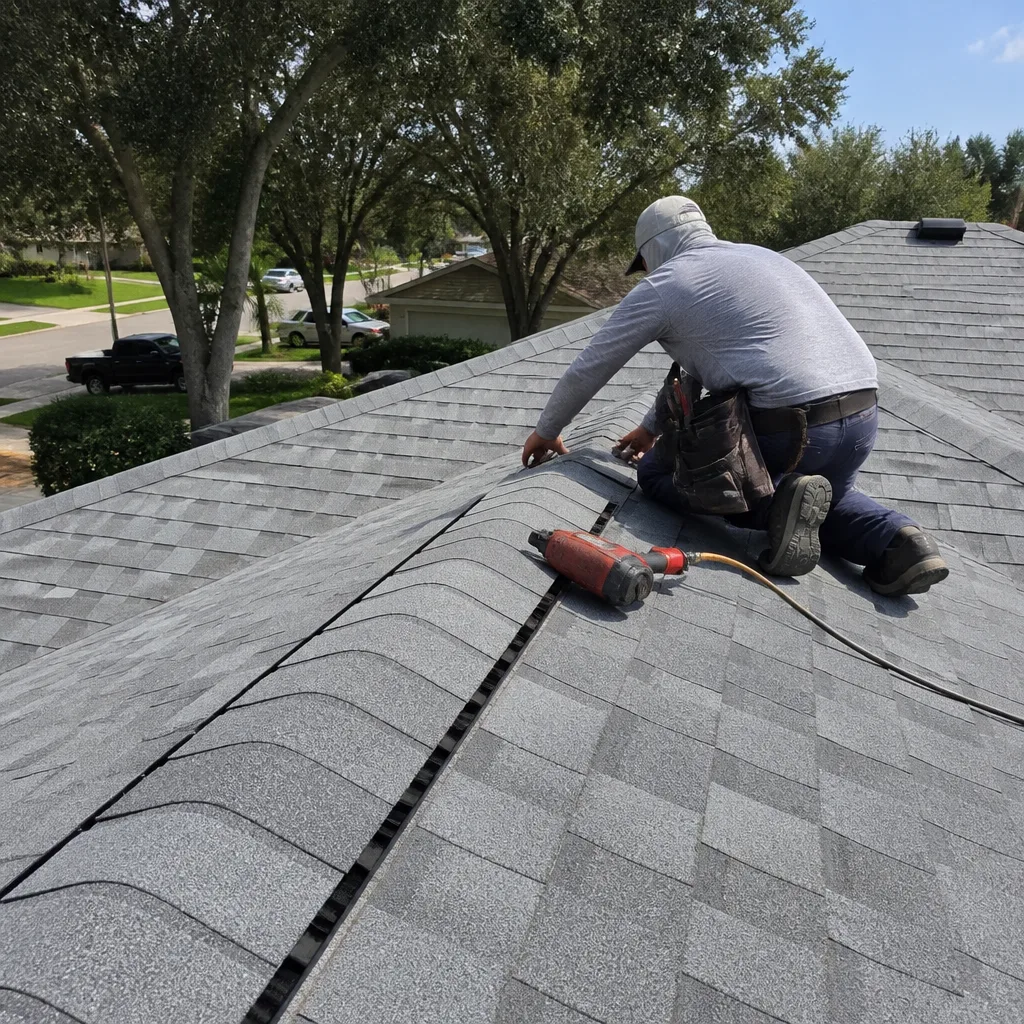
See the difference
 Before
 After
After Before
 After
After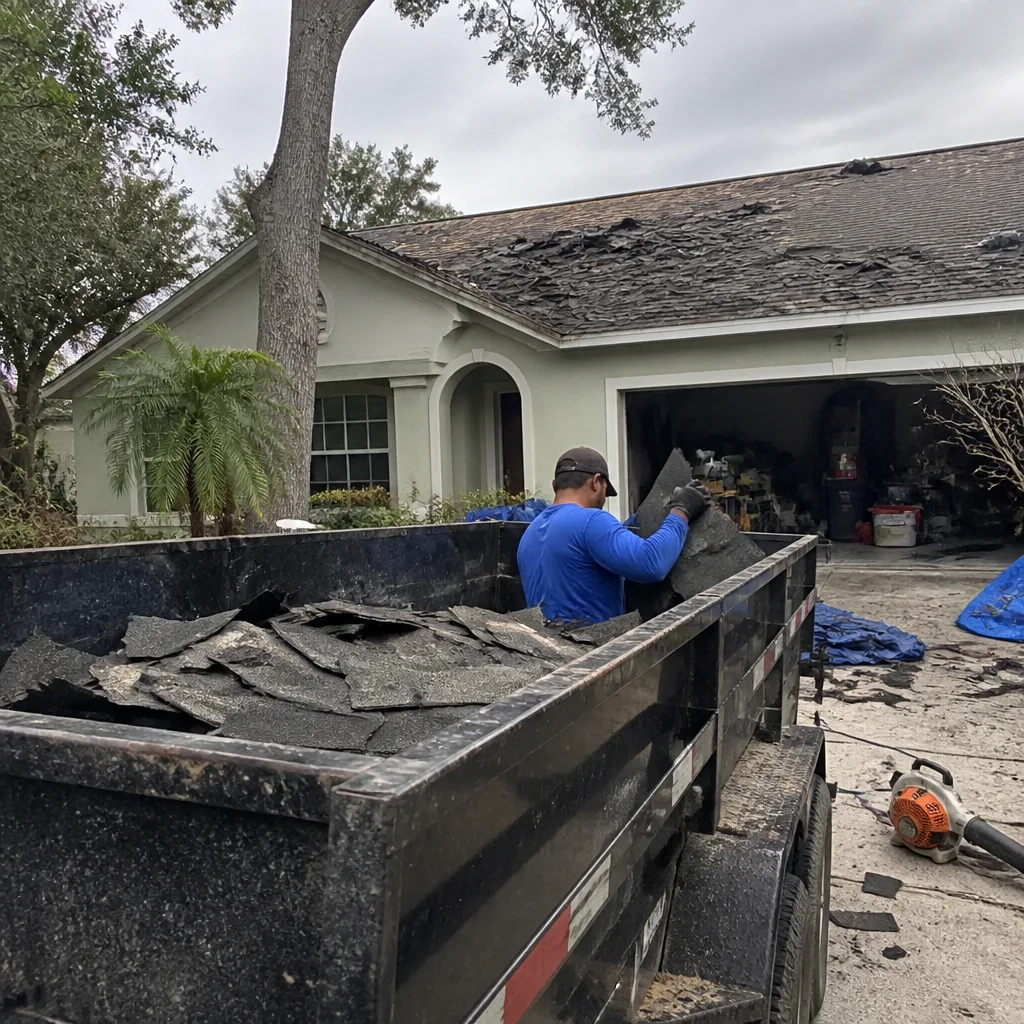 Before
 After
After