
Last updated October 17, 2026
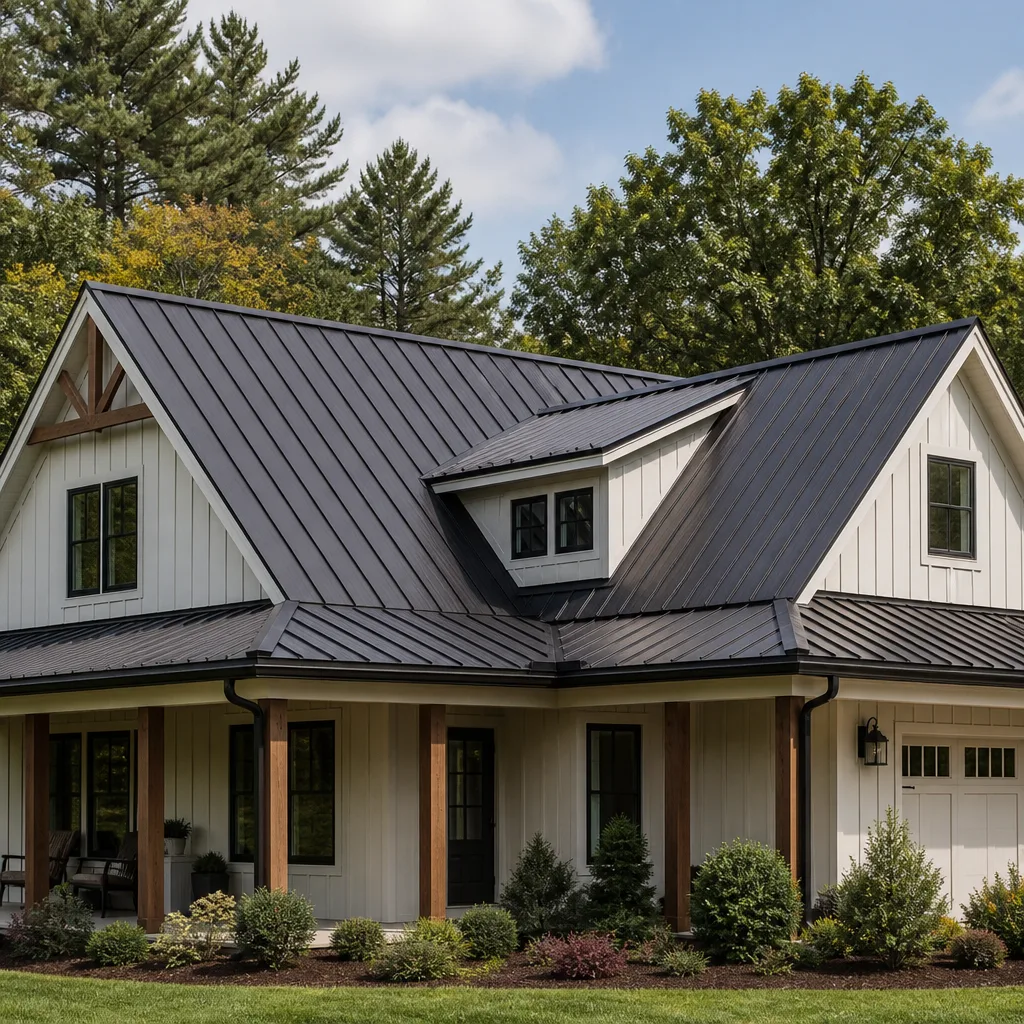 Metal roofing
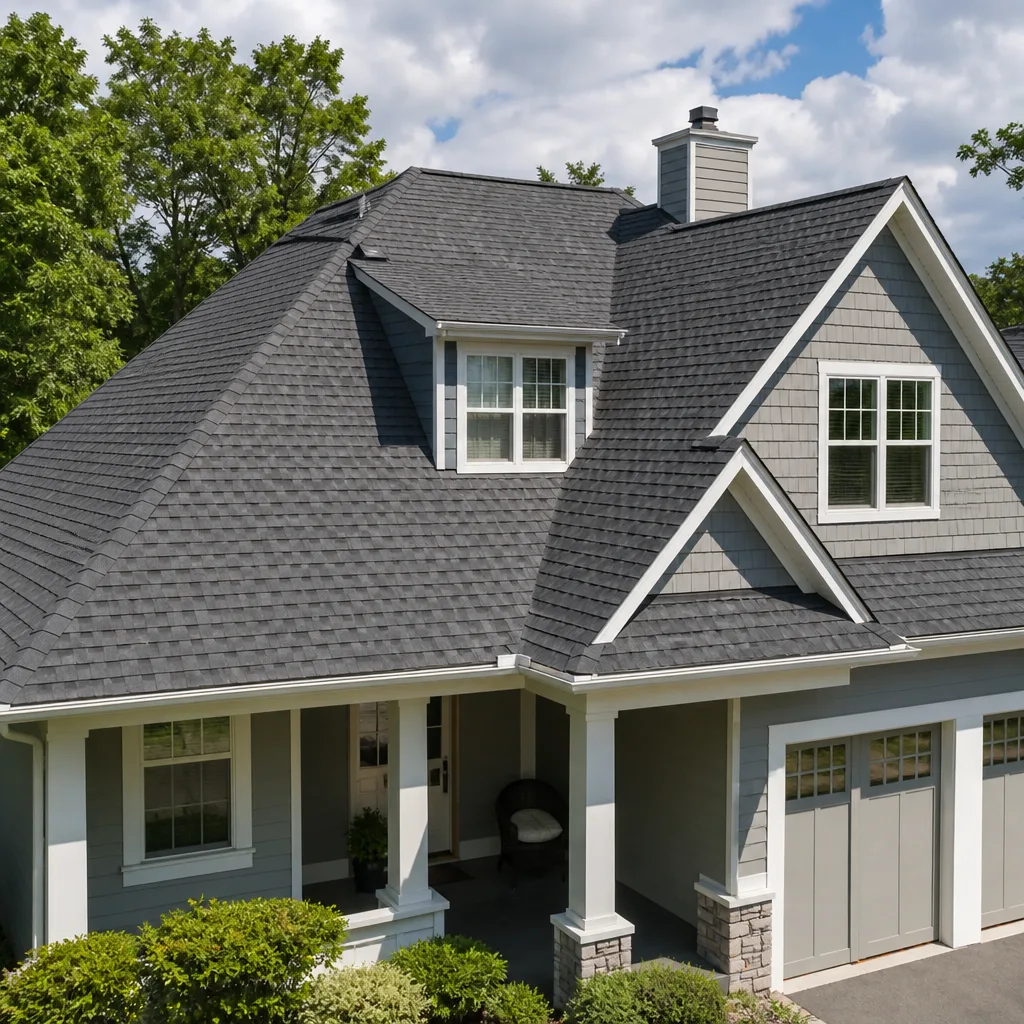
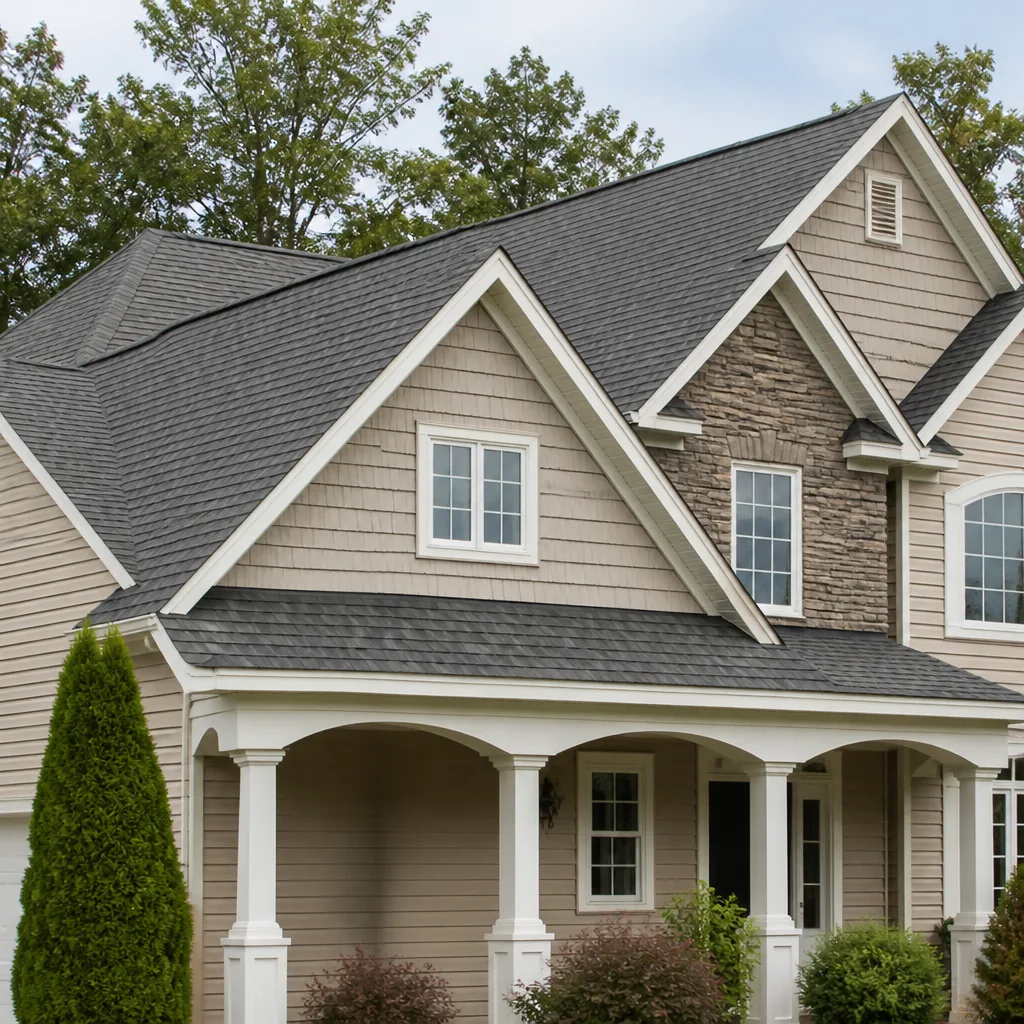 Architectural shingles
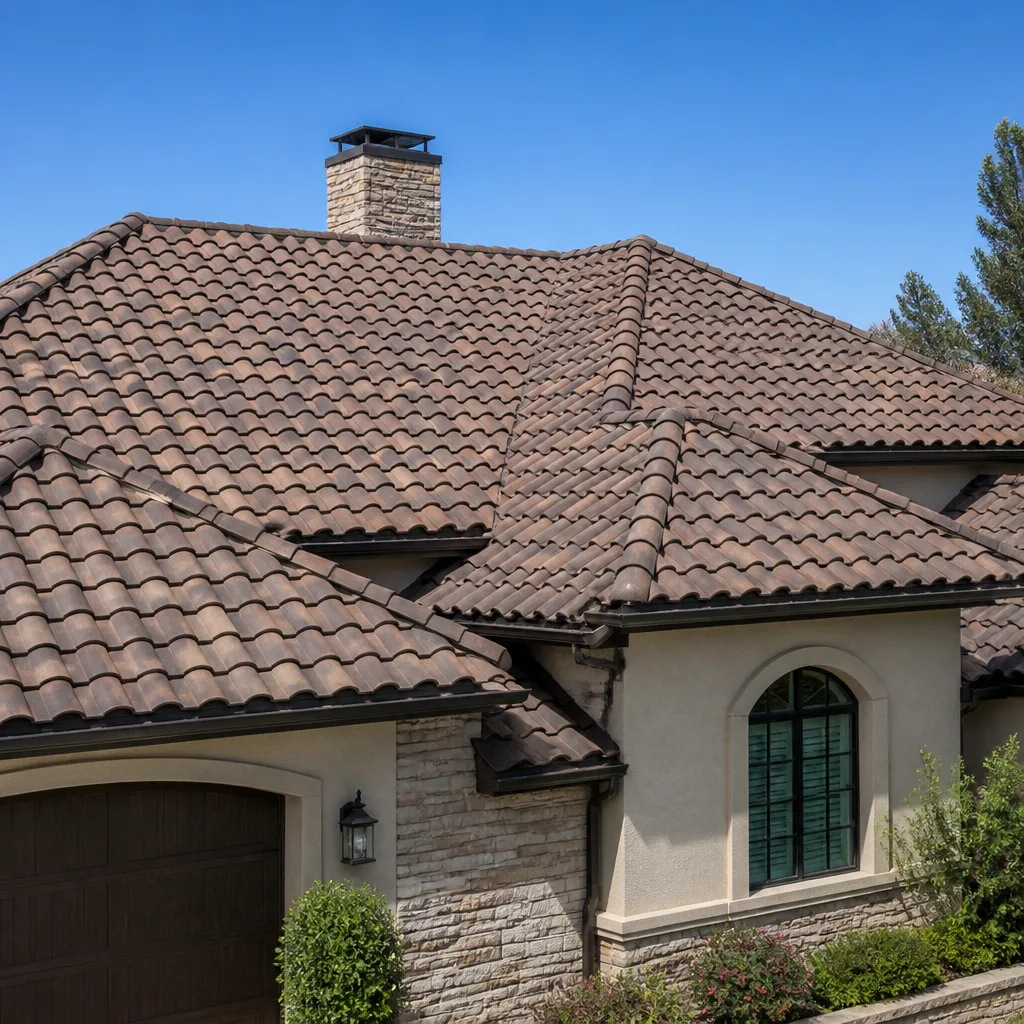 Tile roofing
 GAF
GAF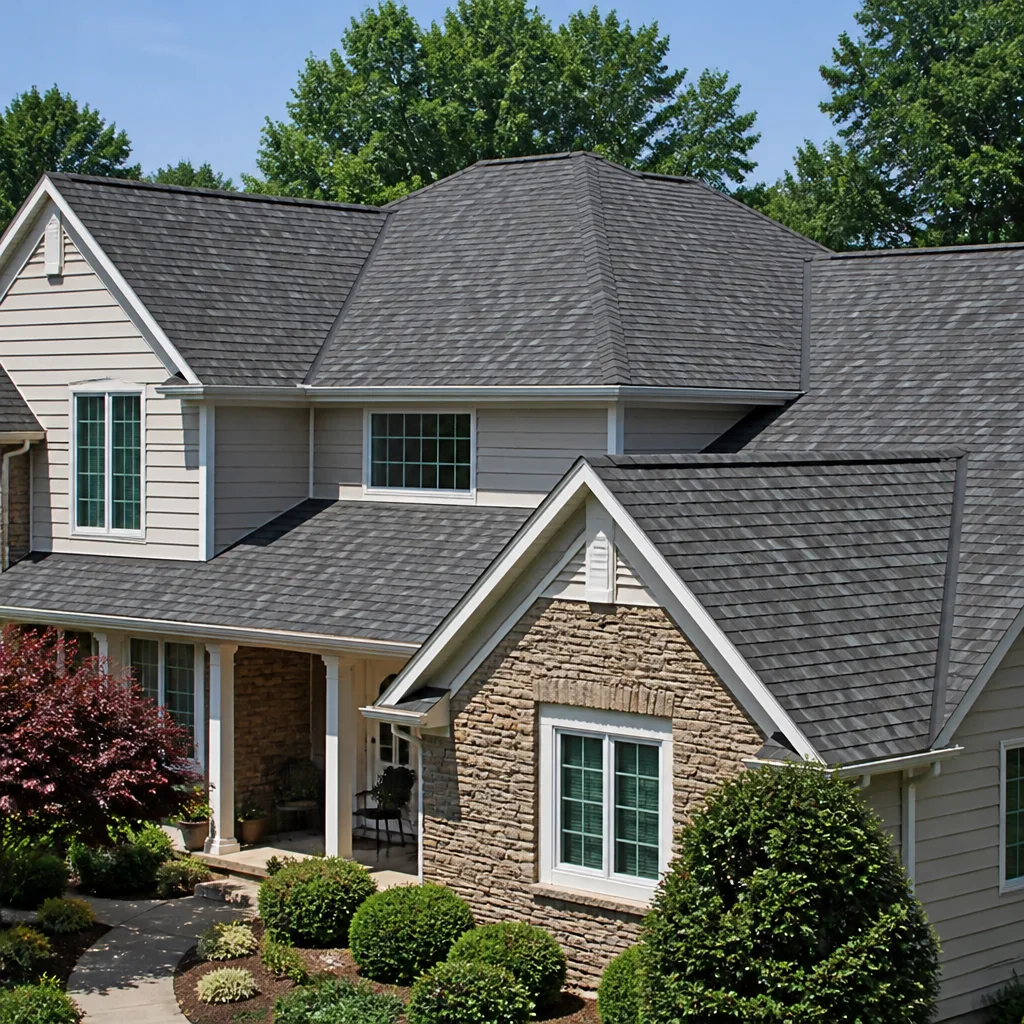 Owens Corning
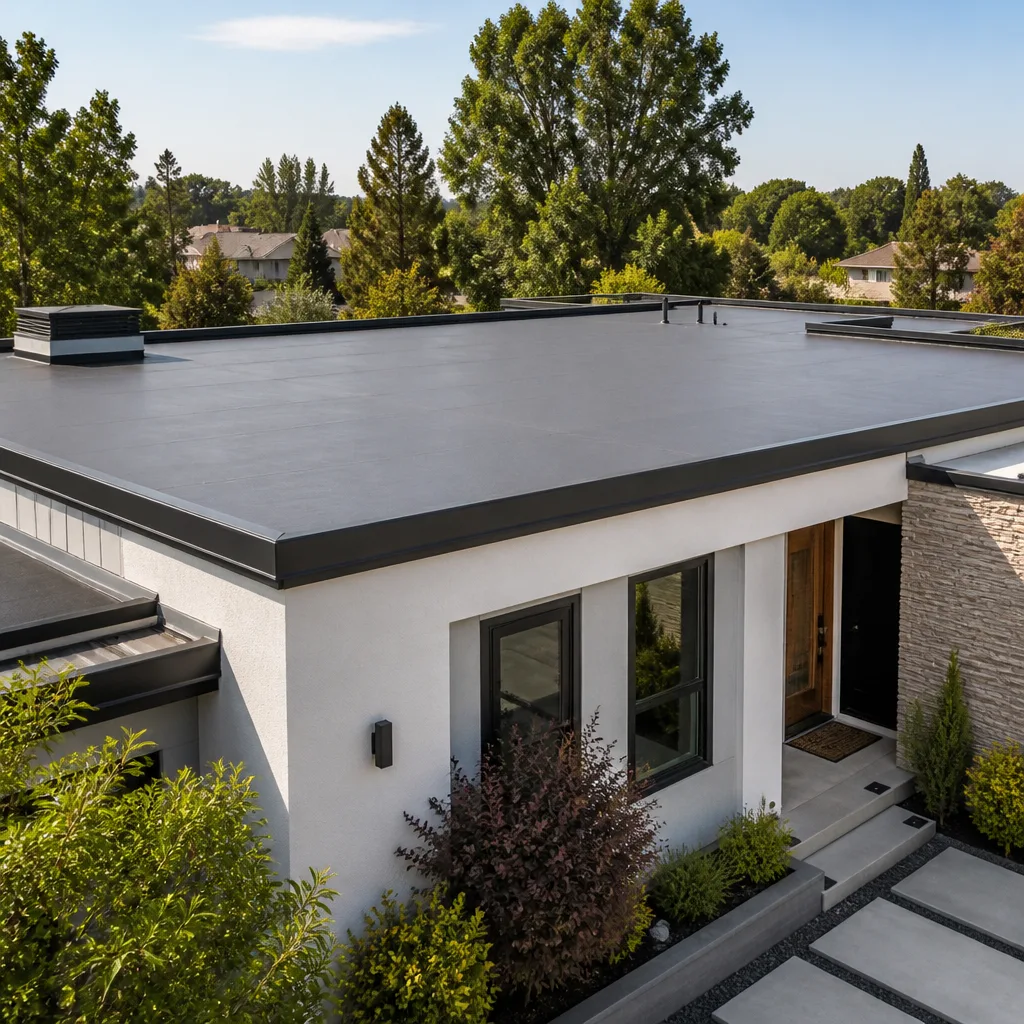 Flat & low-slope
Free roof inspection with deck photos before we talk money - GAF and Owens Corning certified installation
DIY vs Professional Roofing: The Tampa Homeowner’s Decision Guide
In Florida, a homeowner can legally do their own roofing work on their primary residence, but the moment they do, they take on the contractor’s liability for code compliance, wind mitigation certification, and warranty validity. Most DIY roofing content doesn’t mention any of that. This guide draws the actual legal and practical line for Tampa homeowners, using the real trade names, the real permit rules, and the real numbers from the local market. For a full roofing cost breakdown for Tampa homeowners in 2026, see our dedicated reference. You’ll learn what you can legally touch, what you should never touch, and what it actually costs either way.
Quick Answer
DIY roofing in Tampa is legal for a homeowner on their primary residence under an owner-builder permit, but it is rarely the right call for anything beyond the smallest cosmetic tasks. Florida building codes, insurance policy language, and hurricane wind load requirements make most roof work legally and financially dangerous to self-perform. For anything that keeps water out of your house or affects your wind mitigation rating, use a licensed contractor like Roofing Company in Tampa.
Styles & brands we work with
Table of Contents
- What Florida Law Actually Says About DIY Roofing
- How DIY Roof Work Affects Your Insurance Coverage
- The Three Most Common DIY Tasks, Rated Honestly
- How to Pull an Owner-Builder Permit Correctly
- The Full Cost Comparison: DIY vs. Professional
- When Professional Work Is Not Optional
- Common Mistakes to Avoid
- Frequently Asked Questions
What Florida Law Actually Says About DIY Roofing
Florida Statute 489.103(7) exempts homeowners from contractor licensing requirements when they act as their own contractor on their primary residence. This is the owner-builder exemption. It is real, and it gives you the legal right to pull a permit for your own roof work on the home you live in. What the exemption does not do is exempt you from the Florida Building Code, from local Tampa permit requirements, or from the legal liability of whoever performs the work.
When you sign an owner-builder permit, you are signing an affidavit that says you will supervise the work and that you are legally and financially responsible for it. That means if the roof fails, if a worker gets hurt, if the work does not pass inspection, that liability lands on you, not on a contractor’s license and insurance. The Florida Building Code, 8th Edition, is the governing document here, and Tampa enforces it through the city’s Construction Services Division.
What triggers the requirement for a licensed contractor
- Any work that requires a permit. In Tampa, roof replacement, structural repair, and any work that changes the roof covering material requires a permit. A licensed contractor must pull that permit unless you go through the owner-builder process and sign the liability affidavit.
- Work on a roof system covered by a product warranty. Most manufacturer warranties from lines like GAF, CertainTeed, or Tamko are void if the work is not performed by a certified installer.
- Any work that affects your wind mitigation inspection. A wind mitigation report is a document your insurance company uses to calculate your premium. If you alter your roof and a future inspection finds that the alteration does not meet the standards that were originally certified, your premium can rise, and a claim can be denied.
We have seen this play out in Tampa neighborhoods from Seminole Heights to Westchase. A homeowner replaces a few shingles, then a storm causes a leak, and the insurance adjuster finds the unpermitted work. The claim gets denied. The homeowner is now paying out of pocket for the repair, plus the original damage. That is not a hypothetical scenario; it is a recurring pattern.
How DIY Roof Work Affects Your Insurance Coverage
Your homeowners insurance policy contains language, usually under the exclusions section, that voids coverage for damage caused by or related to work not performed by a licensed contractor. The exact wording varies by carrier, but the principle is the same across the board: if unpermitted or improperly performed work fails and causes damage, the insurer is not obligated to pay for the resulting loss. Many Tampa homeowners are with large carriers like Citizens Property Insurance, State Farm, or Universal, and all of them have similar provisions.
The key phrase to look for in your policy is “latent defect” or “faulty workmanship.” Most policies exclude damage caused by faulty workmanship. If you do the work yourself, you are the workmanship. There is no contractor’s insurance policy behind you. There is no license number to point to. There is no warranty company to file a claim against.
How insurers identify unpermitted repairs after a claim
- Roofing records. Insurers can pull permit history from the city of Tampa. If you replaced shingles in 2021 and there is no permit on file, that is a red flag.
- Visual inspection. An experienced adjuster can spot mismatched shingles, inconsistent nailing patterns, improper flashing, and non-uniform drip edge. These are signs of unskilled work.
- Material inconsistencies. If the underlayment, the fasteners, or the shingle brand does not match the rest of the roof, the adjuster will note it.
- Wind mitigation re-inspection. If you have a wind mitigation discount on your premium and the post-work inspection shows a change in the roof’s attachment rating, the carrier will investigate.
The practical takeaway for a homeowner in Tampa is this: the money you save on a DIY repair can disappear instantly when a claim is denied and you are left with the full cost of a new roof plus the interior damage from a leak. A Roof Repair in Tampa from a licensed contractor comes with a permit record, a workmanship warranty, and someone to call if it fails.
The Three Most Common DIY Tasks, Rated Honestly
Homeowners in Tampa attempt three roofing tasks more than any other: replacing individual shingles, re-sealing pipe boots, and reattaching gutters. We will walk through each one with an honest assessment of the skill required, the equipment needed, and where homeowners typically fail. Notice that we are not including full roof replacement or tile repair in this list. Those are not DIY tasks, and we address them separately below.
1. Shingle Replacement
Replacing one or two blown-off shingles is deceptively simple. The actual physical act is straightforward: lift the shingle above, remove the damaged shingle, slide a new one in, and nail it. The failure points are what make it tricky. The nail has to hit the nailing strip, which is a specific line on the shingle. If you nail too high, you compromise the seal. If you nail too low, the nail head is exposed. Nail pattern and nail count matter, and the manufacturer’s installation instructions are specific. On a roof with a pitch of 4/12 or steeper, you are also working on a sloped surface, in Tampa heat, usually alone or with help from someone who is also not a roofer. The risk of a fall is real, and falls from roofs are a leading source of homeowner injury. You also need to match the shingle. A shingle from a big-box store is often not the same color, profile, or manufacturer line as what is on your roof. We have seen roofs in Carrollwood where a homeowner installed three mismatched shingles that stood out from the street for years.
Honest assessment: Doable for a careful homeowner with a low-slope roof and a single shingle to replace. Not recommended for anything more than that. If you cannot name the exact shingle model on your roof, do not start the job.
2. Pipe Boot Re-Sealing
Pipe boots are the rubber collars that seal around plumbing vent pipes protruding from your roof. In the Florida sun, the rubber degrades and cracks over time. Re-sealing a pipe boot with a high-quality sealant is a low-skill task that many homeowners can handle. The catch is that if the boot is cracked rather than just old, sealant is not the fix. The boot needs replacement, which means lifting shingles around the pipe, cutting the old boot out, and installing a new one. That is a more involved job that changes the roof’s penetration seal. Homeowners who just glob sealant over a cracked boot buy themselves six months before the leak returns, and by then, the decking underneath may be rotting.
Honest assessment: Re-sealing an intact but aging boot is a reasonable DIY task. Replacing a cracked boot is a professional job. The difference matters, because Tampa’s afternoon thunderstorms will find any seal that is not complete.
3. Gutter Reattachment
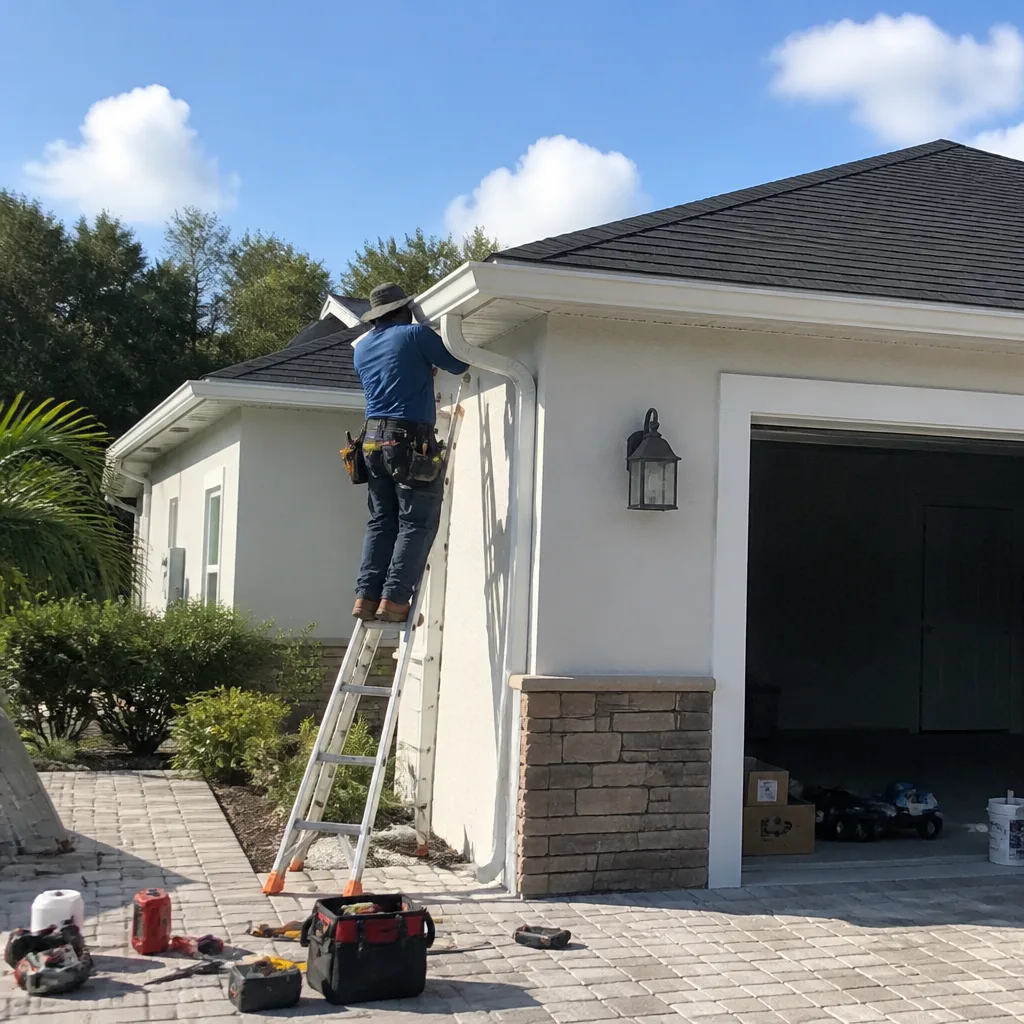
Gutters are part of the roof system, but reattaching a loose section is one of the more forgiving DIY tasks. The work is done from a ladder at the roof edge, not on the roof itself. The materials are simple: gutter hangers, screws, and a drill. The main risk is ladder safety and working at height. The main failure point is improper slope. Gutter systems need a slight downward pitch toward the downspout. If you reattach a section flat or with a back-slope, water pools, mosquitoes breed, and the gutter rusts out faster. Tampa’s rainy season, from June through September, will expose any slope mistake within a month.
Honest assessment: Reasonable for a homeowner comfortable on a ladder with a helper to hold the base. Use a level. Mark the slope before you screw anything in.
How to Pull an Owner-Builder Permit Correctly
If you have decided to do your own permitted roof work in Tampa, here is the process, in order. Read it carefully. The process exists for a reason, and skipping steps is how you end up with an illegal roof and an insurance problem.
- Verify that you qualify. You must own the property, and it must be your primary residence. You cannot use the owner-builder exemption on rental property, investment property, or a second home. You must sign an affidavit stating that you will occupy the property for at least one year after the work is completed.
- Pull the permit from the City of Tampa. You will apply through the city’s Construction Services Division. You will need your property deed, your government-issued ID, and a completed owner-builder affidavit. The permit fee is based on the scope of work, and you will need to pay it before the permit is issued.
- File the plans or specifications. For a roof replacement, the city will want to see the manufacturer’s installation instructions for the roofing material, the underlayment specifications, and the details for flashing, drip edge, and the roof-to-wall connections. You do not need architect-drawn plans for most reroofing jobs, but you do need a technical submission that meets the Florida Building Code.
- Schedule and pass inspections. A reroof typically requires an in-progress inspection for the underlayment and a final inspection after the roof covering is complete. Your inspector will verify that the work matches the code requirements and the manufacturer’s instructions. If the inspector fails the work, you fix it and schedule a re-inspection.
- Keep the permit record. When the job passes final inspection, the permit closes. This closed permit is your proof of code compliance. You will need it if you sell the house, and you may need it for an insurance claim or a wind mitigation re-inspection.
The process takes time, and the city’s review is fast when the submission is complete and slow when it is not. A licensed contractor pulls permits every week and knows what the city’s plan reviewers will flag. A homeowner pulling a permit for the first time usually goes through two or three rounds of corrections, each one adding days or weeks to the timeline.
The Full Cost Comparison: DIY vs. Professional
The honest cost comparison includes line items that most DIY cost discussions ignore. Here is the framework we use when a Tampa homeowner asks us to walk them through the numbers. These figures are based on the Tampa market for standard asphalt shingle work, not tile or metal.
| Line Item | DIY Cost | Professional Installed Cost |
|---|---|---|
| Architectural shingles (per square, 100 sq ft) | $45 – $75 at retail | Included in bid, typically $110 – $140 per square installed |
| Underlayment (synthetic, per square) | $18 – $28 | Included |
| Drip edge, flashing, fasteners, and accessories | $60 – $120 total for a small job | Included |
| Permit and inspection fees (City of Tampa) | $150 – $400 depending on scope | Included or itemized |
| Tool rental (nail gun, compressor, ladder, safety gear) | $150 – $400 for a weekend | N/A |
| Dumpster rental and disposal fees | $300 – $550 for a 20-yard dumpster | Included |
| Cost of redoing failed work (material and labor) | $500 – $3,000 depending on severity | Covered under workmanship warranty |
| Workmanship warranty | None | 365-Day Done Right Promise in writing |
What this table shows is that the gap between DIY and professional is narrower than it first appears once you account for the tools, the permit, the disposal, and the risk of doing it wrong. A small repair of three or four shingles can absolutely be done DIY for under $100. A full reroof is a different conversation, and the honest math does not favor the owner-builder.
At Brennan Roofing Co Tampa home, we put the price on paper before any work starts. The number you see on the estimate is the number you pay. There is no price movement at the door. That is part of The Garrison Standard, and it is the same standard we hold on every job in Tampa.
When Professional Work Is Not Optional
There are specific scenarios where DIY is not a gray area. These are the conditions where the law, the insurance contract, or the physics of the roof make professional work the only responsible choice.
- Any work that triggers a permit. Roof replacement, structural repair, or changing the roof covering material. If the city requires a permit, the owner-builder route is available, but the liability is yours, and the workmanship risk is real.
- Any job that affects your wind mitigation rating. Tampa homes with a wind mitigation discount save hundreds of dollars per year on insurance. Altering your roof attachment system, changing your roof covering, or modifying the roof decking can invalidate that discount. A licensed contractor can re-inspect and recertify. A homeowner cannot.
- Tile roof repairs. Tile roofs are common in Tampa, from South Tampa to New Tampa. The tiles are brittle, and the breakage rate for an inexperienced person walking on a tile roof is high. A single cracked tile can be replaced DIY, but anything beyond that on a tile roof is a professional job. The underlayment on a tile roof is the actual waterproofing layer, and accessing it requires removing tiles in a specific pattern that a homeowner will not know.
- Any work that involves the roof decking. If you see water stains on your ceiling, the problem may be in the decking, not the shingles. Replacing a section of roof decking means cutting into the roof structure, which affects the home’s structural integrity and wind resistance. This is not a homeowner task.
Brennan Roofing Co Tampa offers free estimates in Tampa, call (850) 750-9193. We’ll walk the roof, explain what we see in plain language, and put the price on paper before any work starts. Every job is backed by the 365-Day Done Right Promise: a written guarantee for one full year, with a free return visit at no charge if the repair or installation fails within that period.
Common Mistakes to Avoid
- Skipping the permit on work that requires one. This is the single most expensive mistake a Tampa homeowner can make. Unpermitted roof work can void your insurance coverage, block your home sale, and result in a red-tag from the city. Pull the permit or use a contractor who pulls it for you.
- Assuming all shingles are interchangeable. A GAF shingle is not a CertainTeed shingle is not a Tamko shingle. The profiles, the color lines, and the nailing strips are different. Mixing brands on the same roof creates a visual patchwork and can void manufacturer warranties.
- Using the wrong fastener. In Tampa’s wind zone, the building code specifies nail type, nail length, and nail pattern for roof assemblies. Using roofing nails that are too short or too few is a common DIY error, and it is one that a high-wind event will expose immediately.
- Working on a wet or moss-covered roof. After a Tampa afternoon thunderstorm, asphalt shingles are slick, and a fall from any height is a life-changing injury. If you insist on doing the work, wait for a dry day, use a safety harness, and have a spotter on the ground.
- Ignoring the flashing. Most leaks are not in the shingles. They are at the penetrations: chimney flashing, skylight flashing, valley flashing, and pipe boots. A homeowner who replaces shingles but leaves corroded flashing has fixed nothing.
- Underestimating the disposal problem. Removing old shingles creates a mountain of debris. If you do not have a dumpster scheduled, you end up paying for a last-minute container or hauling debris to the county facility yourself. Count the disposal cost into your DIY budget before you start tearing off anything.
Frequently Asked Questions
Yes, it is legal for a homeowner to act as an owner-builder on their primary residence under the exemption in Florida Statute 489.103(7). The homeowner must pull the permit, sign an affidavit accepting liability, and comply with the Florida Building Code and City of Tampa inspection requirements. Call (850) 750-9193 with questions about your specific situation, and we’ll give you a straight answer on whether the work needs a permit.
A small DIY shingle replacement can be done for under $100 in materials. A more involved DIY repair with flashing work, underlayment, and permit fees typically runs $400 to $1,200, and that is before accounting for the risk of doing it wrong. A professional repair from a licensed roofer in Tampa usually ranges from $300 to $800 for minor work, with the price in writing and the workmanship warrantied. Call (850) 750-9193 for a free estimate with a written line-item quote.
Most Florida homeowners insurance policies exclude damage caused by faulty workmanship, and DIY work is considered workmanship that you performed yourself. If the insurer determines that your DIY repair failed and caused the leak, the claim can be denied. A licensed contractor’s workmanship is backed by their insurance and by a written warranty, which gives you a clear path to resolution if something goes wrong.
You can look at your roof from the ground with binoculars and check your attic for water stains, but a full roof inspection requires walking the roof, checking the flashing, inspecting the fasteners, and evaluating the sealants. A Roof Inspection in Tampa from a licensed professional includes a written report that you can use for insurance purposes, real estate transactions, or annual maintenance planning. DIY visual checks do not carry that weight.
The risk is high. Tile roofs are brittle, and walking on them without experience causes broken tiles. Each broken tile is a new repair you now have to pay for. The underlayment under the tiles is the actual waterproofing layer, and accessing it requires removing tiles in a controlled pattern. Tile roof work should be left to a professional.
Replacing a small number of shingles, typically 25 square feet or less, does not require a permit in the City of Tampa. Anything beyond that threshold, or any work that involves the underlayment, decking, or flashing, does require a permit. When in doubt, call the city’s Construction Services Division or ask a licensed roofer. Free estimates at (850) 750-9193 include a straight answer on whether your job needs a permit.
The Bottom Line
You can legally do some roofing work on your own home in Tampa. That does not make it a good idea for anything beyond the smallest tasks. Florida’s permit rules, insurance policy language, and wind mitigation requirements create a legal and financial framework that penalizes unskilled work, and the Tampa climate punishes it even faster. The smart play is to handle the genuinely minor cosmetic fixes yourself, and call a licensed roofer for everything else. For more guides & resources on Tampa roofing, visit our blog. Brennan Roofing Co Tampa operates under The Garrison Standard: written pricing before any work starts, background-checked uniformed technicians, and a 365-Day Done Right Promise in writing. Call (850) 750-9193 for a free estimate, and get a straight answer from someone who stands behind the work.
Written by Travis Oakley, Owner at Brennan Roofing Co Tampa, serving Tampa since 2000.
See the difference
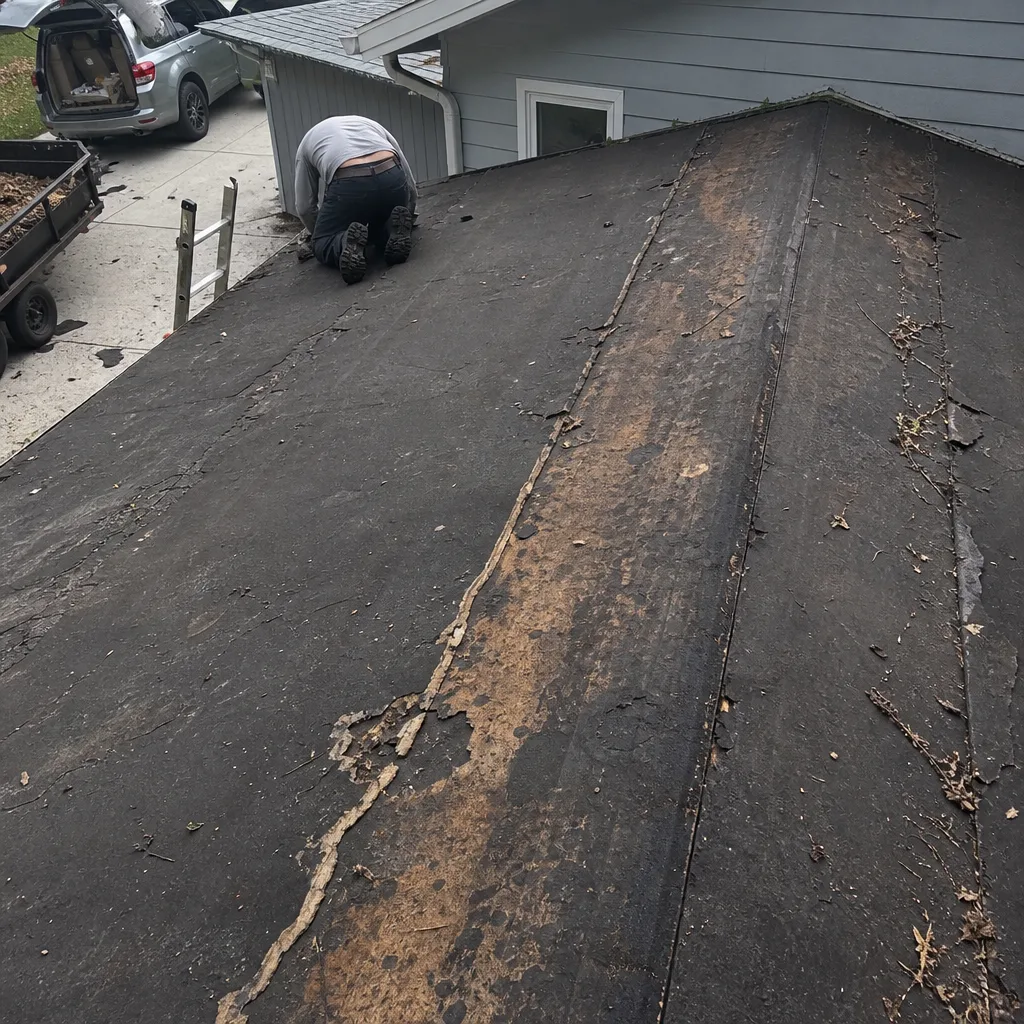 Before
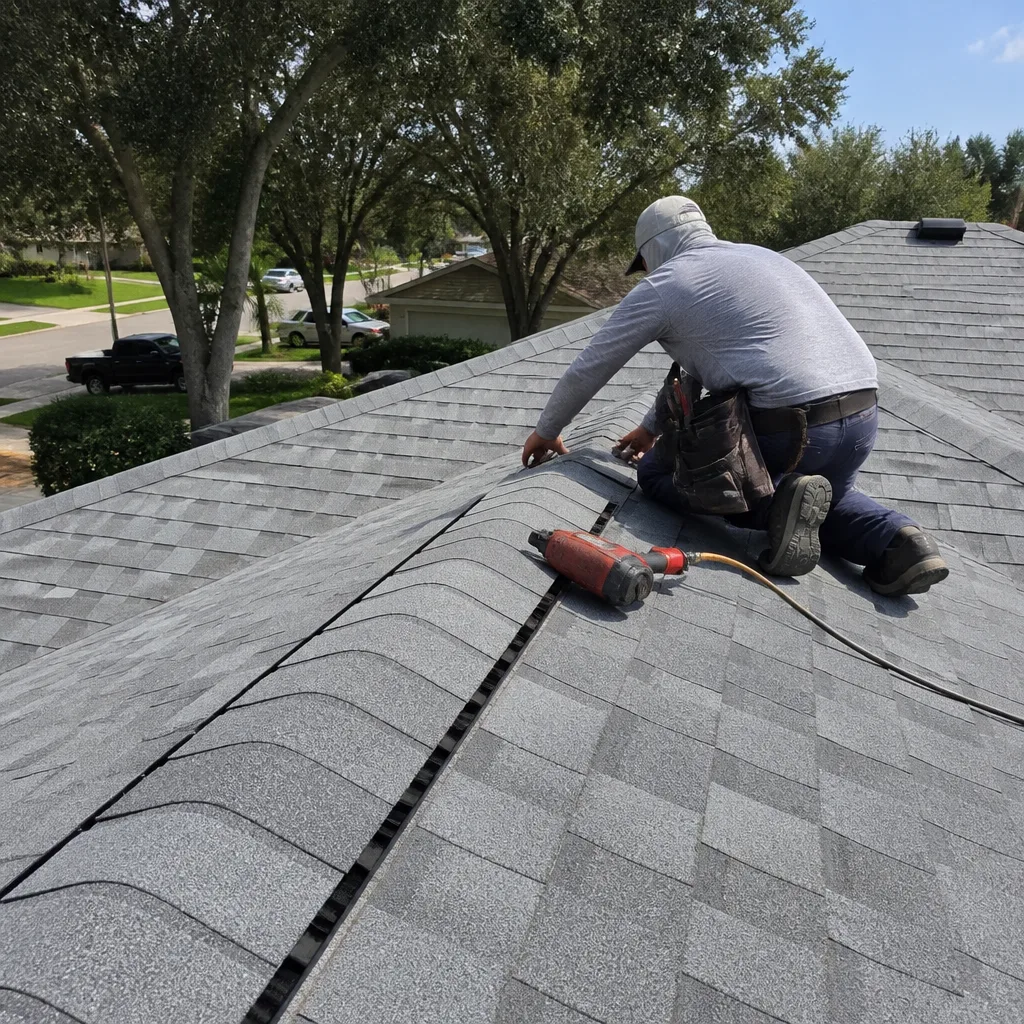
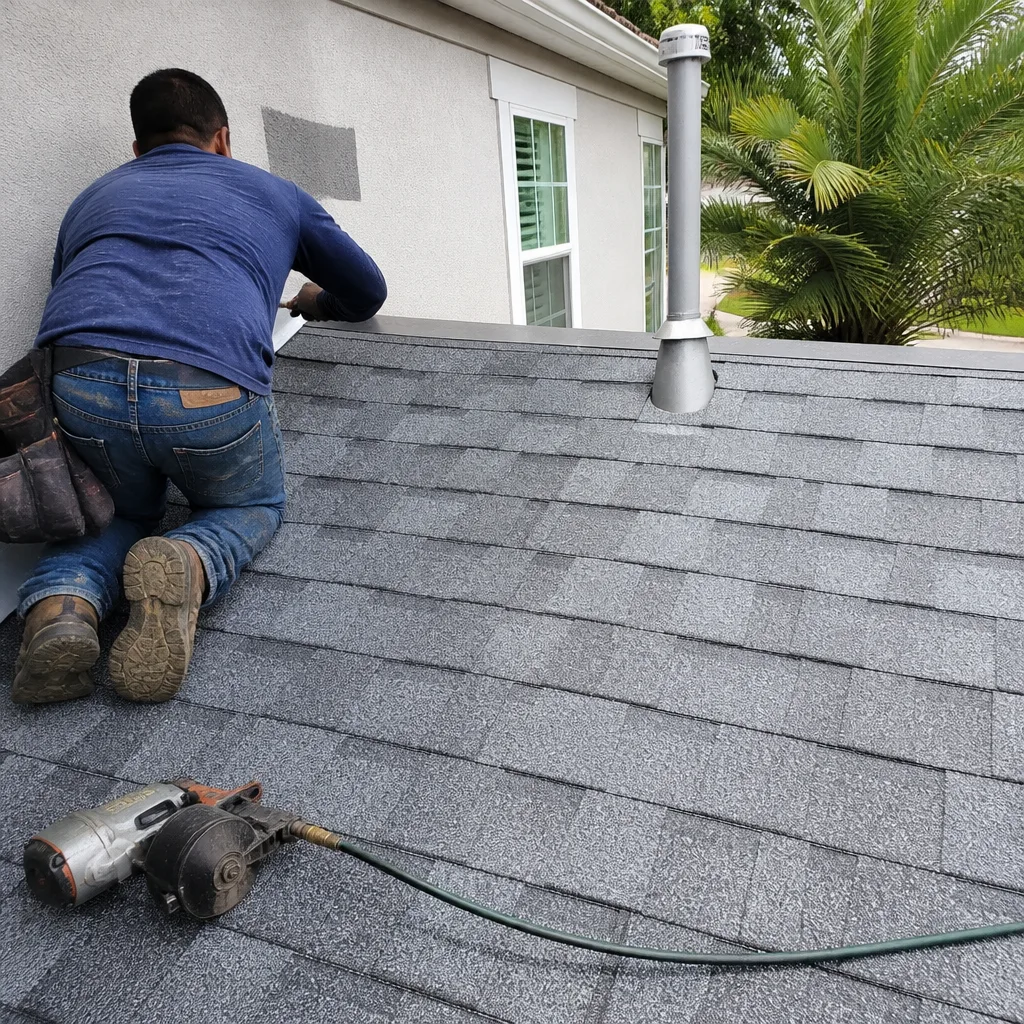 After
After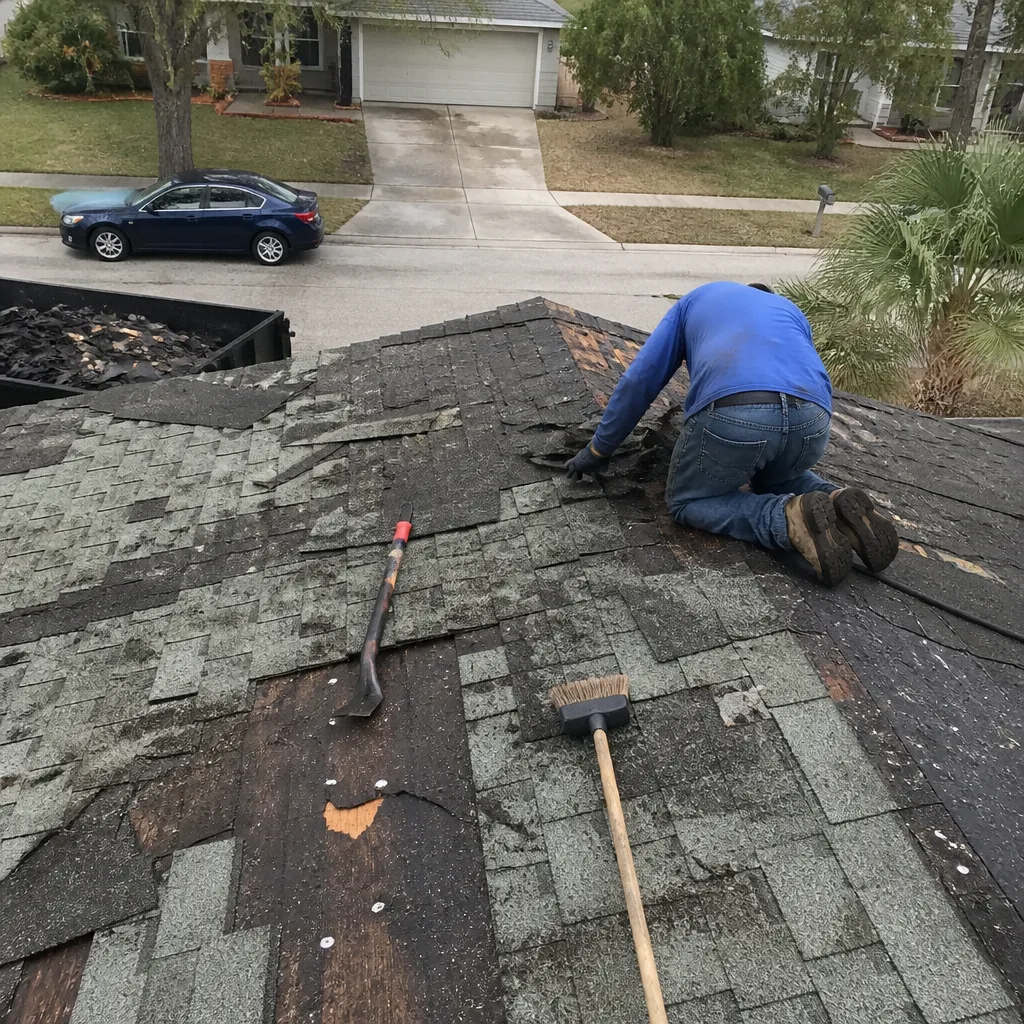 Before
 After
After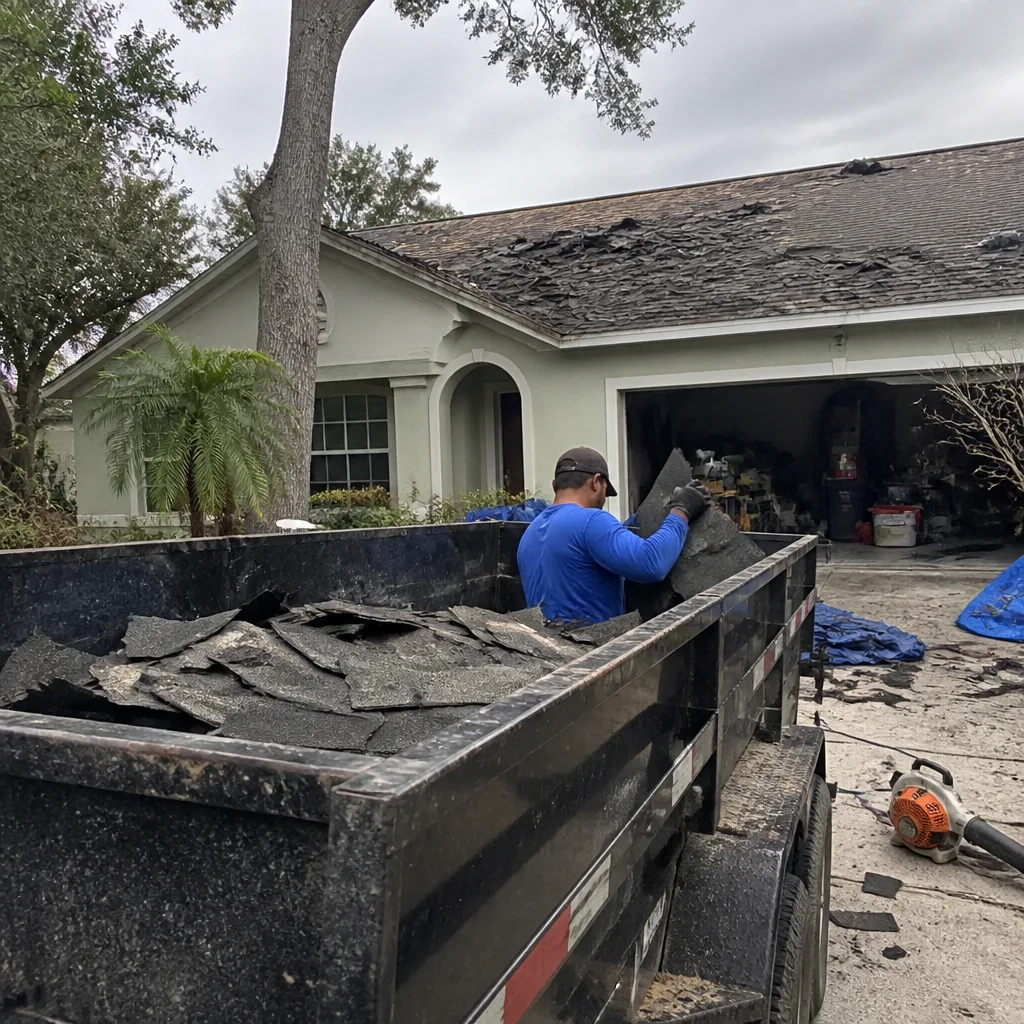 Before
 After
After