
Last updated October 17, 2026
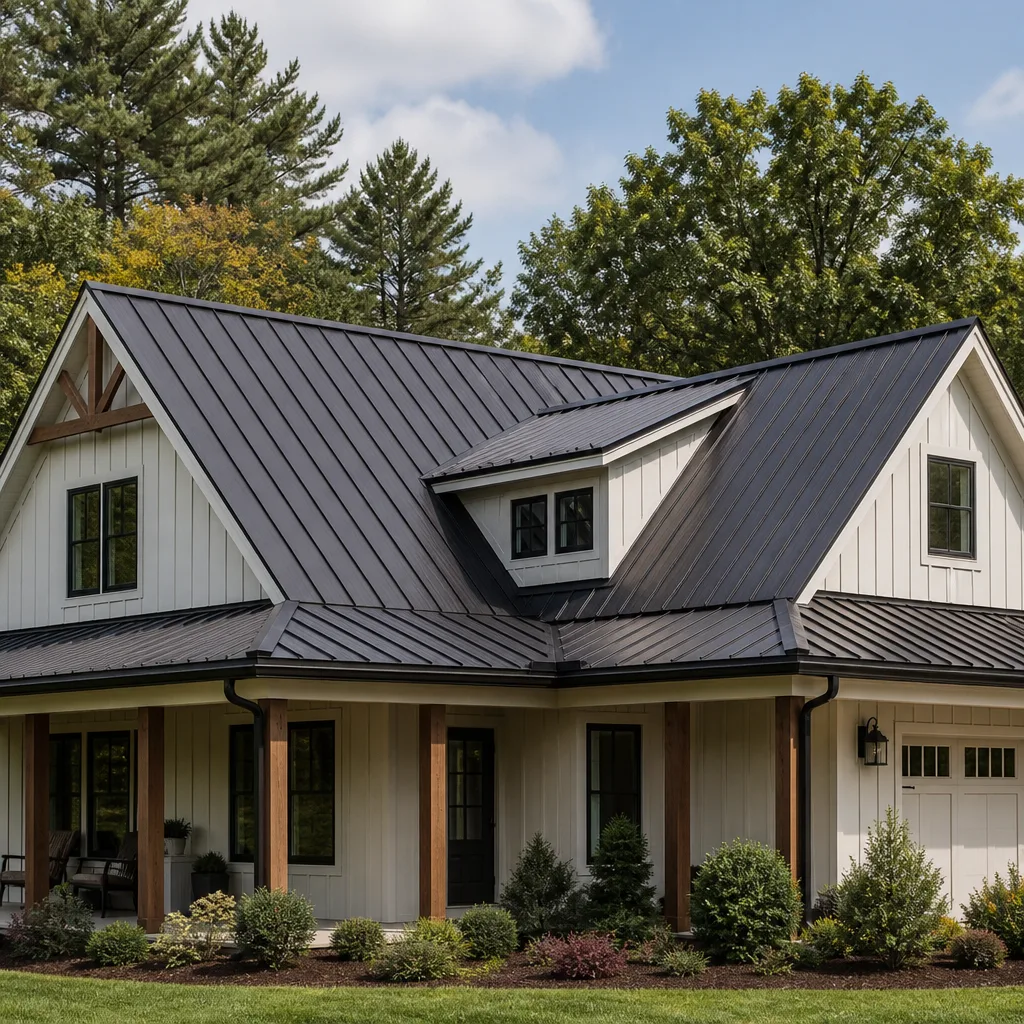 Metal roofing
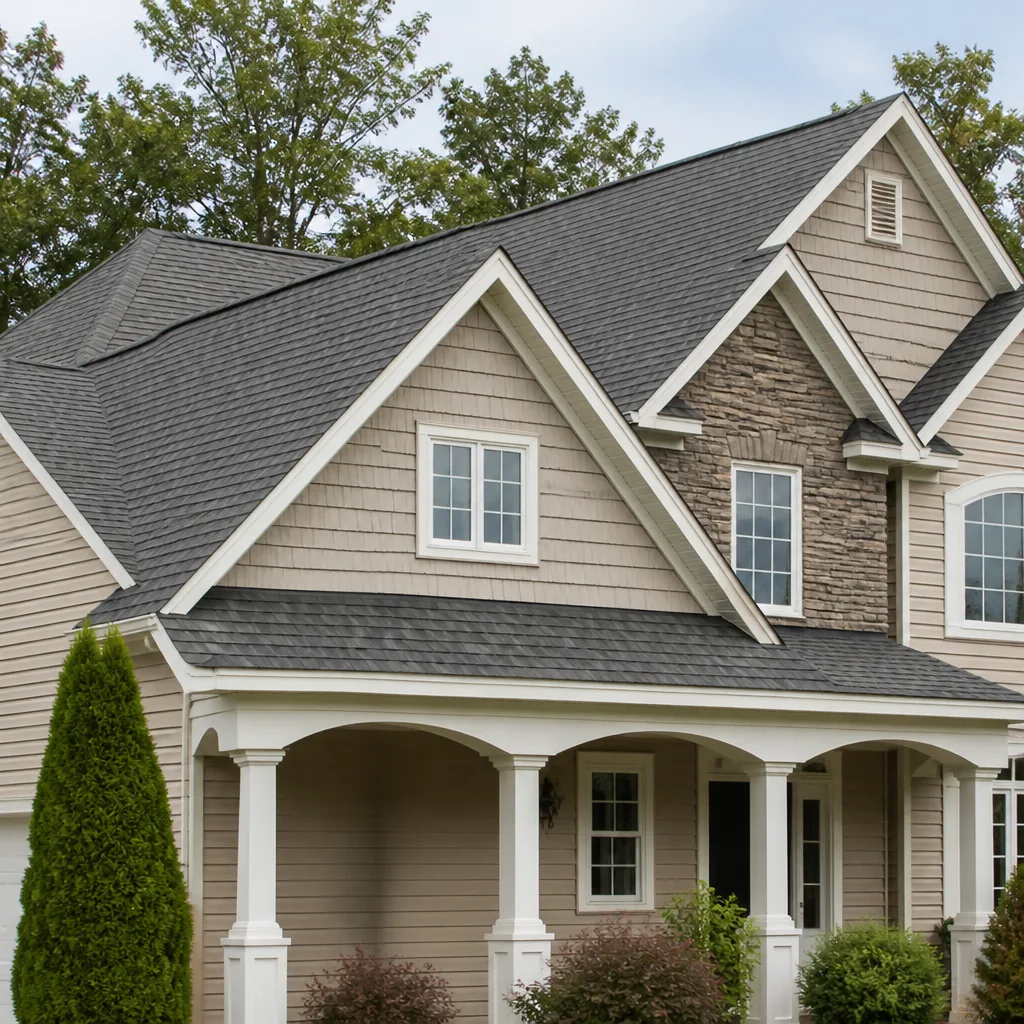 Architectural shingles
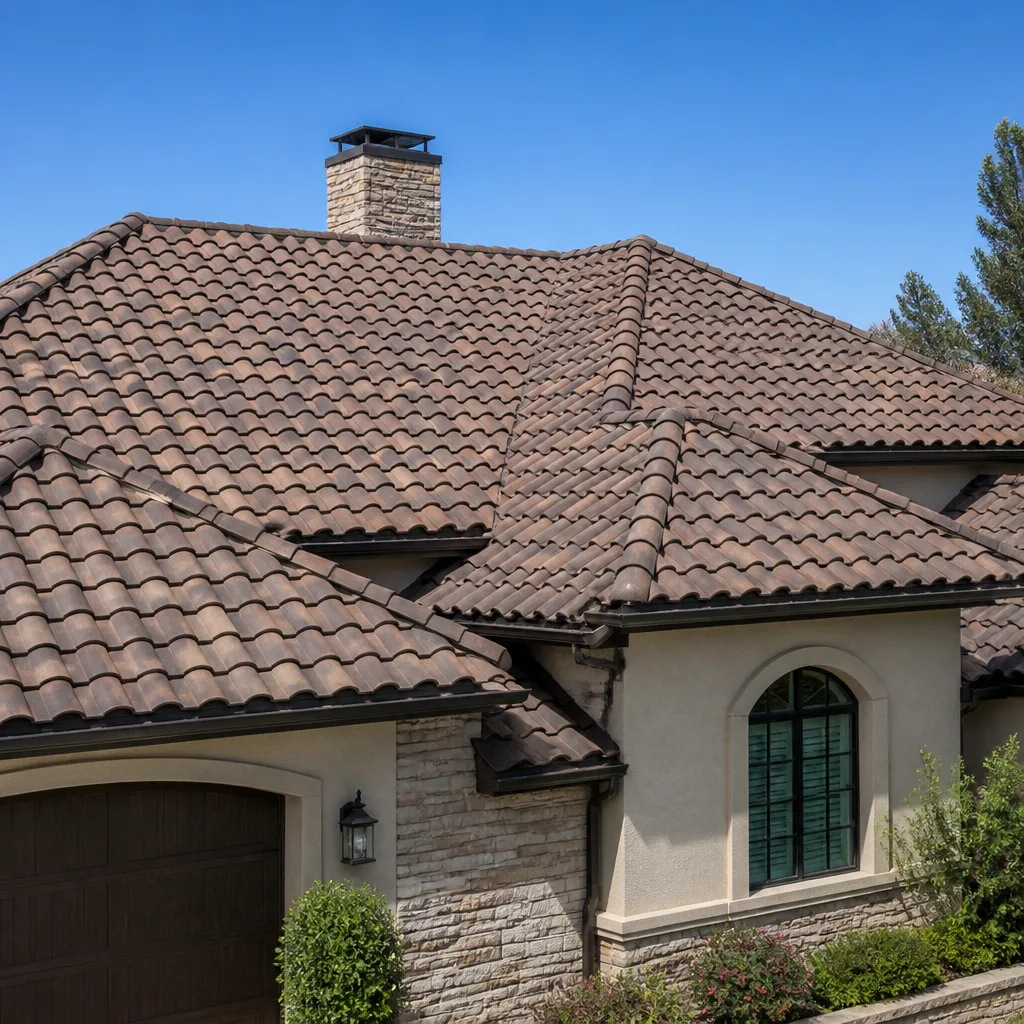 Tile roofing
 GAF
GAF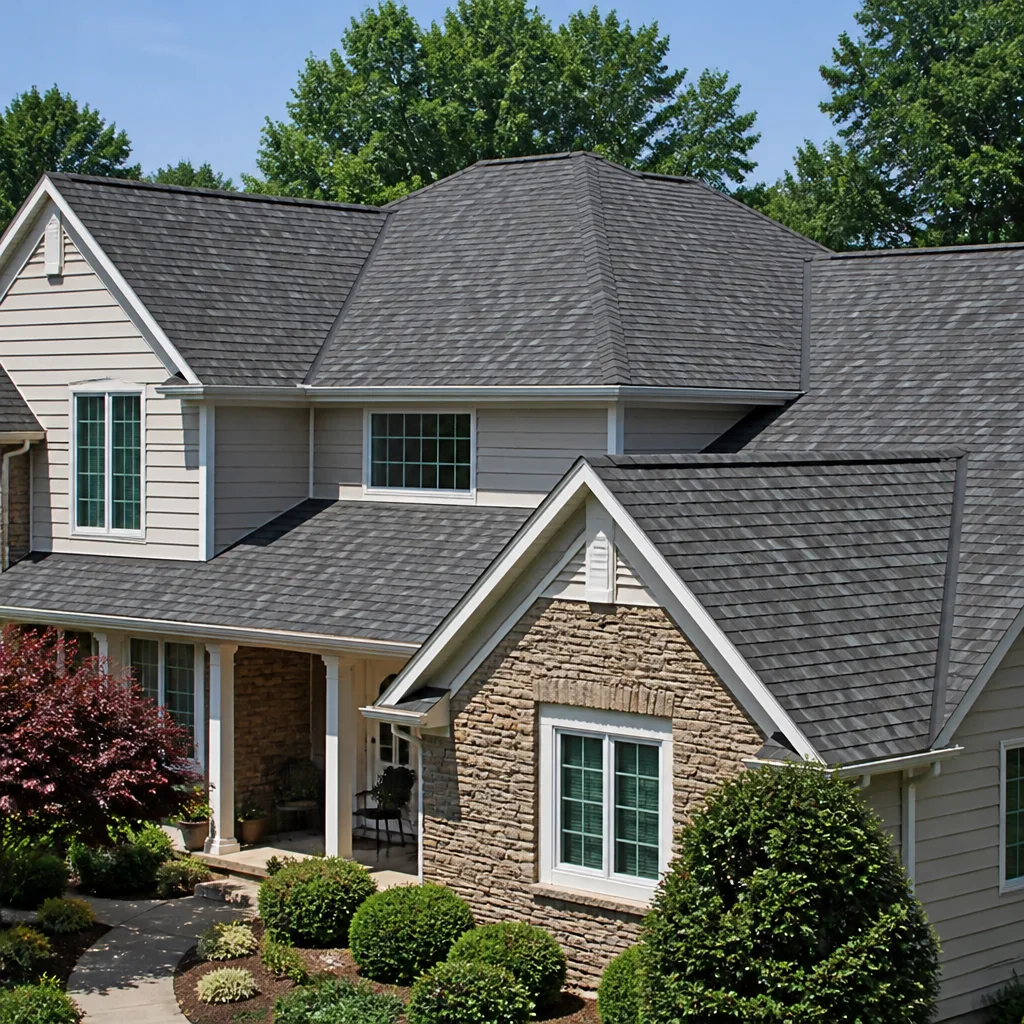 Owens Corning
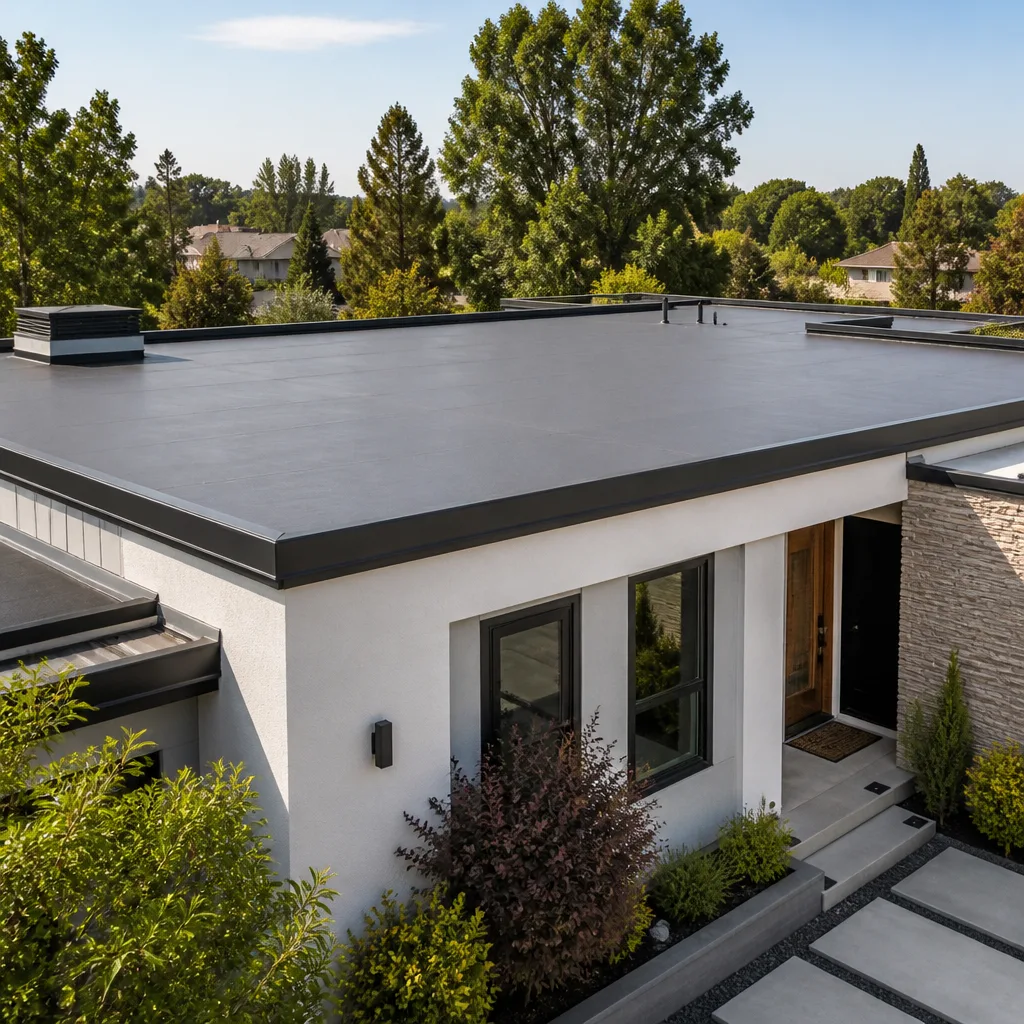 Flat & low-slope
Free roof inspection with deck photos before we talk money - GAF and Owens Corning certified installation
Roofing Permits, Codes & Inspections in FL: What You Need to Know
In Hillsborough County, replacing more than 25% of your roof surface requires a full permit. But that threshold is calculated per inspection period, not per calendar year. Some contractors deliberately split work across visits to stay under the line and skip the permit. The homeowner gets the liability. This guide walks you through the actual rules in Tampa and the surrounding Florida counties, what an inspector physically checks during each stage of a re-roof, and how a properly permitted roof can lower your insurance premium through the wind mitigation form (OIR-B1-1802). For a deeper dive, see The Complete Guide to Roofing in Tampa. We will also cover the consequences of unpermitted work, because in Florida those consequences follow the property, not just the contractor.
Styles & brands we work with
Quick Answer
A roofing permit is required in Tampa and throughout Florida for any full roof replacement and for repairs exceeding 25% of the roof surface within a single inspection period. The contractor, not the homeowner, must pull the permit in their own name, and the job must pass three inspections: rough-in, dry-in, and final. A completed, permitted re-roof qualifies a homeowner for a wind mitigation inspection that can directly reduce insurance premiums.
Table of Contents
- The Florida Building Code and the 25% Rule
- Who Pulls the Permit and Why It Matters
- The Inspection Sequence: Rough-In, Dry-In, and Final
- What an Unpermitted Roof Does to Your Insurance and Home Sale
- Wind Mitigation and the OIR-B1-1802 Form
- Tampa-Specific Codes and Climate Considerations
- What a Roofing Permit Costs in Tampa
- Common Mistakes to Avoid
- When to Call a Professional
- Frequently Asked Questions
- The Bottom Line
The Florida Building Code and the 25% Rule
The Florida Building Code (FBC) governs every roof replacement in the state, but local jurisdictions in Hillsborough and Pinellas counties enforce the code with their own inspection procedures. The FBC is updated every three years, and the 8th Edition (2023) is currently in effect. The section most relevant to a Tampa homeowner is FBC Existing Building, Chapter 7, which addresses repairs and alterations to existing structures.
The 25% rule works like this: if you replace or repair more than 25% of the total roof surface within a 12-month inspection period, the entire roof must be brought up to current code. Here is what that means in practice. Say a storm tears off shingles on the north slope of your roof. The damaged area is 18% of the total surface. A repair can proceed without triggering full code compliance for the entire roof. But if another storm hits seven months later and adds another 12% of damage, the combined 30% now exceeds the threshold. The inspector will require the whole roof to meet current code before signing off.
In Tampa, inspectors calculate the percentage by measuring the actual roof surface area being replaced, including sheathing and underlayment, not just the visible shingles. That matters because a contractor might quote you for “just the shingles” on a 30% section while the underlying work actually touches a larger surface. The permit application requires a roof plan showing the areas to be replaced, and the inspector verifies those measurements on site.
What Current Code Requires on a Tampa Re-Roof
- Secondary water barrier: A self-adhering polymer-modified bitumen underlayment applied to the entire roof deck in the wind-borne debris region. Tampa is in that region, so this is mandatory.
- Fastener schedule: Specific nail patterns and lengths based on the roof decking thickness and the shingle manufacturer’s requirements. Inspectors check this at dry-in.
- Drip edge: Metal drip edge is required at all eaves and rakes. It must be fastened per code, not just slipped under the shingles.
- Roof-to-wall connections: If any roof sheathing is replaced, the sheathing must be re-fastened to the trusses or rafters at a tighter spacing, and any existing nails must be verified or supplemented.
- Flashing at all penetrations: Every pipe boot, vent, skylight, and chimney requires code-compliant flashing. This is where inspectors find the most violations.
The Florida Building Code also requires a re-roof to meet the wind uplift requirements for the specific wind speed zone. Tampa sits in a high-velocity hurricane zone with a design wind speed requiring specific shingle ratings and installation methods. A shingle that is approved for use in Orlando may not be approved for a home in South Tampa or Carrollwood.
Who Pulls the Permit and Why It Matters
Under Florida law, the licensed contractor performing the work must pull the permit in their own name and license number. This is not a preference. It is a legal requirement under Florida Statute 489.103. When a contractor asks you to pull the permit as the homeowner, something is wrong. Either they are not licensed, their license is suspended, they have unresolved code violations, or they are trying to shift liability onto you.
The permit matters because it ties the work to the contractor’s license and insurance. If the roof fails and you need to file a claim against the contractor’s insurance, the permit creates the paper trail that proves who did the work and when. Without a permit in the contractor’s name, you are left arguing with an insurance company that has no record of the job.
At Brennan Roofing Co Tampa, we pull every permit in our name before a single shingle comes off the roof. The permit number goes on your written estimate. You can look it up on the Hillsborough County permit portal and see the inspection schedule. That is the way it should work, and it is the way we have done it under The Garrison Standard since our founding in 2000.
What to Check Before Work Starts
- Ask for the contractor’s license number. Verify it on the Florida Department of Business and Professional Regulation (DBPR) website. You can check license status, complaints, and disciplinary actions in two minutes.
- Confirm the permit will be in the contractor’s name. If the answer is no, walk away.
- Get the permit number in writing. A written estimate from Roofing Company in Tampa should include the permit cost as a line item. We do not start work until you have that price on paper.
- Check who is named on the insurance certificate. The contractor’s general liability and workers’ compensation should list the same company name as the permit.
Travis Oakley, who leads our team in Tampa, tells every homeowner the same thing: if a roofer wants to skip the permit, they are not saving you money. They are transferring their legal obligation onto your property title. That is a bad trade.
The Inspection Sequence: Rough-In, Dry-In, and Final
A permitted re-roof in Tampa goes through three inspections. Each one is a checkpoint, and the job cannot proceed past a checkpoint without approval. Here is what happens at each stage and what the inspector is physically looking for.
1. Rough-In Inspection
The rough-in inspection happens after the old roof is removed and the decking is exposed, before any new underlayment or shingles go on. The inspector is checking the structural condition of the roof deck and the attachment of the sheathing.
What the inspector checks at rough-in:
- The decking is sound, with no rot or delamination that needs replacement.
- Existing sheathing nails are adequate or supplemental fasteners are added.
- Any replaced sheathing is the correct thickness for the rafter spacing.
- Roof-to-wall connections are visible and meet the wind load requirements.
- The roof is dry. No tarps flapping, no standing water, no wet decking.
If the inspector finds rotted decking that was not in the original bid, the contractor must stop and give you a written change order before proceeding. A written price before work starts is our rule at Brennan Roofing, and that rule applies to change orders too. You see the number on paper before the new wood goes down.
2. Dry-In Inspection
The dry-in inspection happens after the underlayment, drip edge, and flashing are installed, but before the shingles, tiles, or metal panels go on. This is the last chance to fix water barrier problems before they are covered up permanently.
What the inspector checks at dry-in:
- The secondary water barrier is the correct product and is fully adhered with no gaps or wrinkles.
- The drip edge is fastened at both eaves and rakes, with proper overlap at joints.
- Flashing is installed at all penetrations: plumbing vents, exhaust vents, skylights, chimneys.
- The underlayment laps in the correct direction so water flows off the roof, not under the layers.
- Fastener spacing on the underlayment matches the manufacturer’s specifications.
This is the inspection where we see the most failures from rushed crews. A contractor who is behind schedule will try to get the shingles on before the dry-in inspection happens. In Hillsborough County, that is a stop-work order and a re-inspection fee. The same discipline applies to Roof Repair in Tampa. A repair that touches the underlayment still needs the dry-in call.
3. Final Inspection
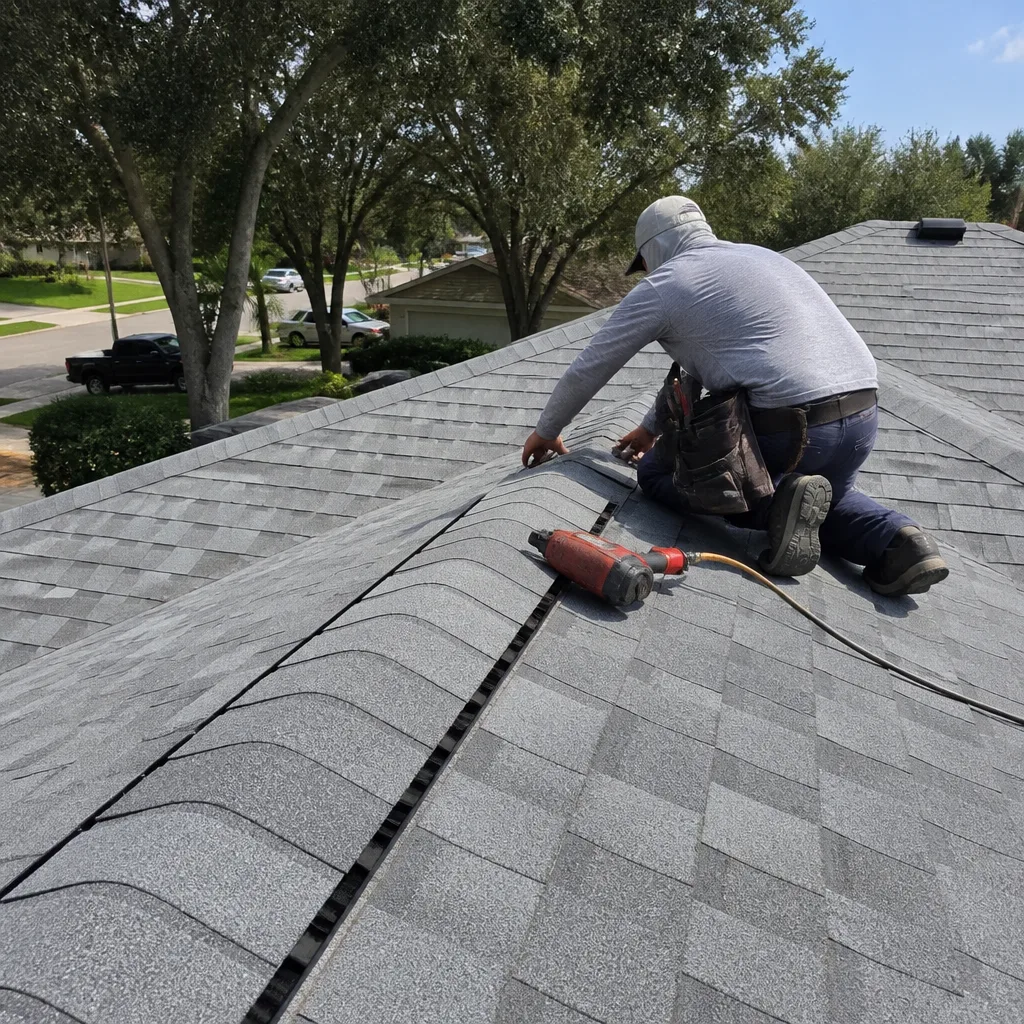
The final inspection happens when the roof is complete. The inspector is now checking the finished surface, the fastening pattern, and the overall quality of the installation.
What the inspector checks at final:
- Shingles are the correct product for the wind zone and are installed per manufacturer instructions.
- Nail pattern is visible and correct: six nails per shingle in the high-wind areas of Tampa.
- Ridge caps are installed straight and fastened correctly.
- All flashing is visible and properly integrated with the shingles.
- No exposed fasteners on metal flashing that should have sealant.
- The job site is clean and debris is removed from the roof and gutters.
Once the final inspection passes, the permit is closed. That closed permit is your proof that the roof met code on the day it was completed. Keep that document. You will need it when you sell the house.
What an Unpermitted Roof Does to Your Insurance and Home Sale
An unpermitted roof replacement in Tampa is not a technicality. It is a financial liability that sits on your property until it is fixed. Here are the three ways it comes back on you.
Insurance Coverage
Florida insurers have been aggressive about denying claims on unpermitted roofs for the last decade. If you file a claim for wind damage or a leak and the insurer discovers the roof was replaced without a permit, they can deny the claim outright. In some cases, the insurer will cancel the policy entirely. Florida law allows insurers to void a policy if the homeowner made a material misrepresentation, and failing to disclose unpermitted work on the application is exactly that.
After a major storm, insurance adjusters in Tampa routinely check the county permit database before approving a claim. A roof with no closed permit for a replacement is flagged immediately.
Home Sale Disclosure
Florida’s seller disclosure requirements do not force you to list every repair you have made, but a buyer’s home inspector will check the permit history on the property. If the roof is newer but there is no permit on file, the inspector will flag it. The buyer will then ask for either a retroactive permit, which is expensive and requires opening up the roof for inspection, or a price reduction. In a competitive Tampa market, unpermitted work is the leverage a buyer uses to knock thousands off the sale price.
Code Enforcement
Hillsborough County code enforcement can issue a violation for unpermitted work if it is discovered. The fine structure varies, but the bigger cost is the retroactive permit process. You will need to expose the roof underlayment and sheathing for inspection, which means tearing off the finished roof in sections. You will pay for the inspection, the re-roof, and the original mistake. The original contractor, if they are even still in business, is long gone.
Wind Mitigation and the OIR-B1-1802 Form
After a permitted re-roof passes its final inspection, you are eligible for a wind mitigation inspection. A licensed inspector or a qualified contractor completes the OIR-B1-1802 form, which documents the wind-resistant features of your roof: the roof deck attachment, the roof-to-wall connection, the secondary water barrier, and the roof covering rating.
The form is submitted to your insurance company, and the credits apply directly to your premium. In Tampa, homeowners who complete a wind mitigation inspection after a code-compliant re-roof commonly see premium reductions in the 15% to 35% range, depending on the home’s age, the roof shape, and the insurer’s rate filings.
The key point: the mitigation form is only valid if the roof was permitted. The inspector verifies the permit number and the closed inspections. An unpermitted roof cannot produce a valid OIR-B1-1802 credit. So the contractor who saved you $400 on a permit cost you thousands in insurance savings over the life of the roof. The math is not close.
We complete wind mitigation forms for our re-roof clients in Tampa. It is part of the closeout package, along with the closed permit, the material warranties, and our 365-Day Done Right Promise in writing.
Tampa-Specific Codes and Climate Considerations
Tampa’s climate is the reason the Florida Building Code is stricter here than in most of the country. A roof in South Tampa endures 50-plus inches of rain annually, sustained high humidity, and the direct exposure of the afternoon thunderstorm season from June through September. Add the hurricane wind loads that govern design in Hillsborough County, and you understand why the code requires the secondary water barrier, the six-nail fastening pattern, and the specific products approved for high-wind zones.
In neighborhoods like Seminole Heights and Hyde Park, where homes date from the 1920s and 1930s, the original roof decking is often 1×6 boards rather than plywood or OSB. That changes the fastener requirements. The inspector will check whether the decking is adequate for the new shingle system, and in some cases the contractor must add fasteners or replace sections of the decking to bring it to code. A bid that does not account for that possibility is a bid that will grow at the door. We price the decking replacement as a separate line item with a written price before any work starts, so there are no surprises.
Pinellas County enforces the same Florida Building Code, but St. Petersburg and Clearwater have their own inspection procedures and their own permit fee schedules. The 25% rule works the same way, but the county uses a different permit portal. If you are considering a roof in Pinellas, a Roof Inspection in Tampa can identify whether your current damage exceeds the threshold before you file.
The high-wind zone designation also affects material choices. We install shingles from GAF, CertainTeed, Owens Corning, IKO, Atlas, Tamko, and Boral, and we walk every homeowner through which products meet the Tampa wind uplift requirements and which products make sense for the home’s roof pitch and elevation. The right shingle is the one that passes code and fits the house, not the one with the biggest marketing budget.
What a Roofing Permit Costs in Tampa
Roofing permit fees in Hillsborough County are based on the project valuation, which is the total cost of the work including materials and labor. For a typical single-family home re-roof in Tampa, the permit fee ranges from $150 to $450. That includes the building permit fee and the plan review surcharge. Some inspection fees are separate, and re-inspection fees apply if an inspection fails.
Here is a reasonable ballpark breakdown for a standard asphalt shingle re-roof in Tampa:
- Permit fee: $150 to $450
- Plan review: $50 to $150
- Inspections (three required): included with the permit in most cases
- Re-inspection (if failed): $75 to $150 per visit
- Total permit-related cost: $200 to $600
That is a small line item on a re-roof that runs $12,000 to $22,000 in Tampa depending on the home’s size, pitch, and material choice. Skipping it to save $500 is the worst money decision on the entire project.
Common Mistakes to Avoid
- Letting the contractor skip the permit. The homeowner, not the contractor, carries the liability for unpermitted work. The insurance denial, the sale disclosure problem, and the code enforcement fines all attach to the property.
- Pulling the permit in your own name. A contractor who asks for this is either unlicensed or trying to avoid putting their license number on the record. Either way, you lose the protection the permit is supposed to provide.
- Not checking the contractor’s license before signing. The DBPR website takes two minutes to check. An unlicensed roofer in Tampa cannot legally pull a permit at all, so the entire project starts wrong.
- Paying the full job price before the final inspection passes. The final payment should not be made until the permit is closed. At Brennan Roofing, the written price is on paper before work starts, and the final payment is due at the closeout, not before.
- Ignoring the wind mitigation inspection after the roof is done. A permitted re-roof qualifies you for the OIR-B1-1802 form, which lowers your insurance premium. Failing to complete it leaves money on the table every year.
- Accepting a bid that does not separate the permit cost. The permit fee should be a line item on the written estimate. A contractor who buries it in the total is not being straight with you about the pricing.
When to Call a Professional
You need a licensed, permitted roofer whenever the work touches the roof structure, the underlayment, or more than 25% of the roof surface. That covers every full replacement and most repairs after a Tampa storm season. If you are unsure whether your damage meets the threshold, a professional inspection is the fastest way to get a clear answer. Our Roofing Warning Signs: A Tampa Homeowner’s Reference Guide can help you spot trouble early. Brennan Roofing Co Tampa offers free estimates in Tampa, and every estimate includes a written price before any work begins. Call (850) 750-9193 to schedule yours.
Frequently Asked Questions
A roofing permit in Hillsborough County typically costs between $150 and $450 for a standard single-family home re-roof, with total permit-related costs including plan review landing between $200 and $600. The exact fee depends on the project valuation. Call (850) 750-9193 for a written estimate that includes the permit cost as a line item.
Yes, a full roof replacement requires a permit everywhere in Florida, including Tampa. Repairs covering more than 25% of the roof surface within a 12-month inspection period also require a permit. The contractor must pull the permit in their own name.
An unpermitted roof can void your homeowner’s insurance coverage, complicate a future home sale, and lead to code enforcement fines. The risk falls on the homeowner, not the contractor, and retroactive permits require opening up the finished roof for inspection.
The licensed contractor performing the work is legally required to pull the permit in their own name and license number under Florida Statute 489.103. A contractor who asks the homeowner to pull the permit is a red flag.
The inspector checks the roof deck at rough-in, the underlayment and flashing at dry-in, and the finished shingle installation at final. Each stage must pass before the work proceeds to the next stage.
A permitted re-roof qualifies you for a wind mitigation inspection using the OIR-B1-1802 form. The form documents wind-resistant features like the secondary water barrier and roof deck attachment. Insurance companies in Tampa apply premium discounts based on the form, commonly in the 15% to 35% range.
The Bottom Line
Roofing permits in Florida are not optional paperwork. They are the legal record that your roof meets the wind and water codes that exist specifically because Tampa gets hit by hurricanes and afternoon storms that other states never see. An unpermitted roof costs more than the permit ever would. The 25% rule, the three-stage inspection sequence, and the wind mitigation form all work in the homeowner’s favor when they are done right. Work with a contractor who pulls the permit in their own name, puts the price in writing before work starts, and stands behind the job in writing for a full year. That is the standard we operate under at Brennan Roofing Co Tampa. Explore more guides & resources on roofing in the Tampa Bay area.
Written by Travis Oakley, Owner at Brennan Roofing Co Tampa, serving Tampa since 2000.
See the difference
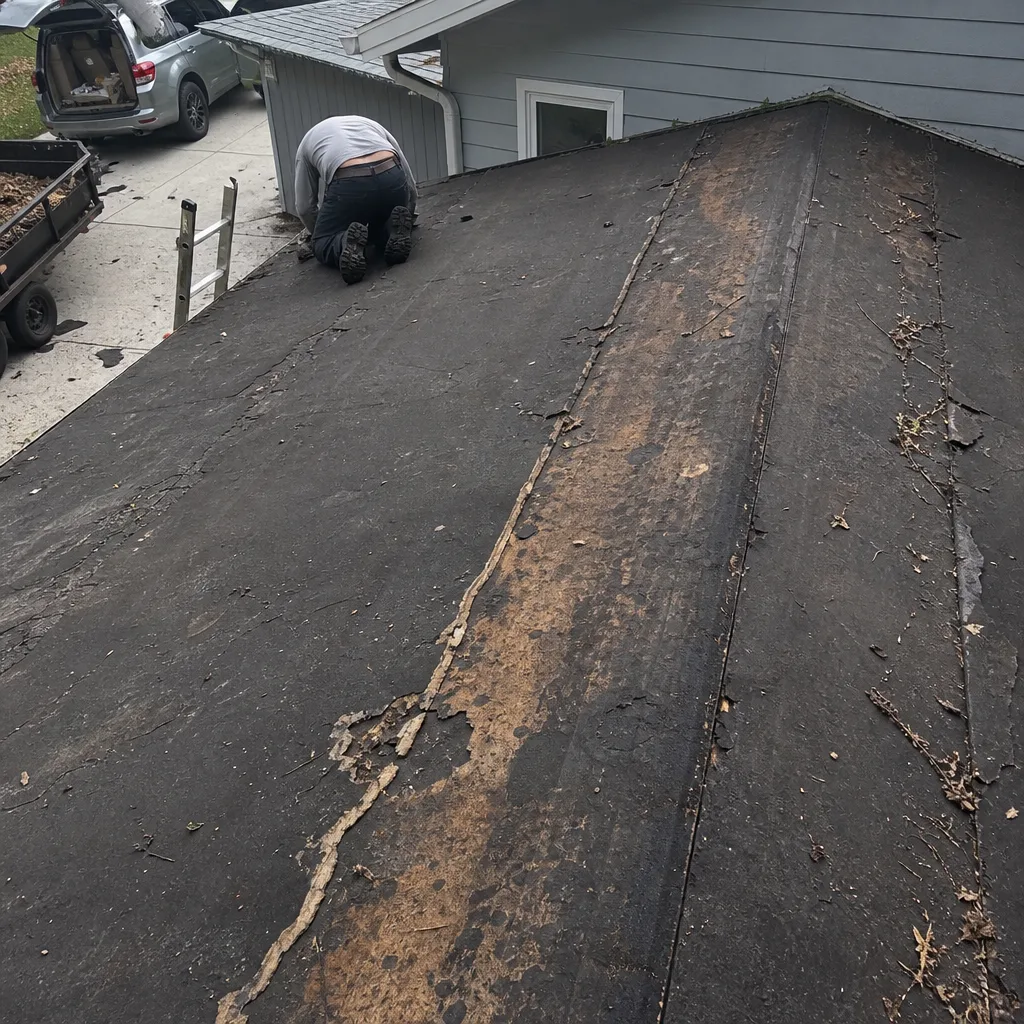 Before
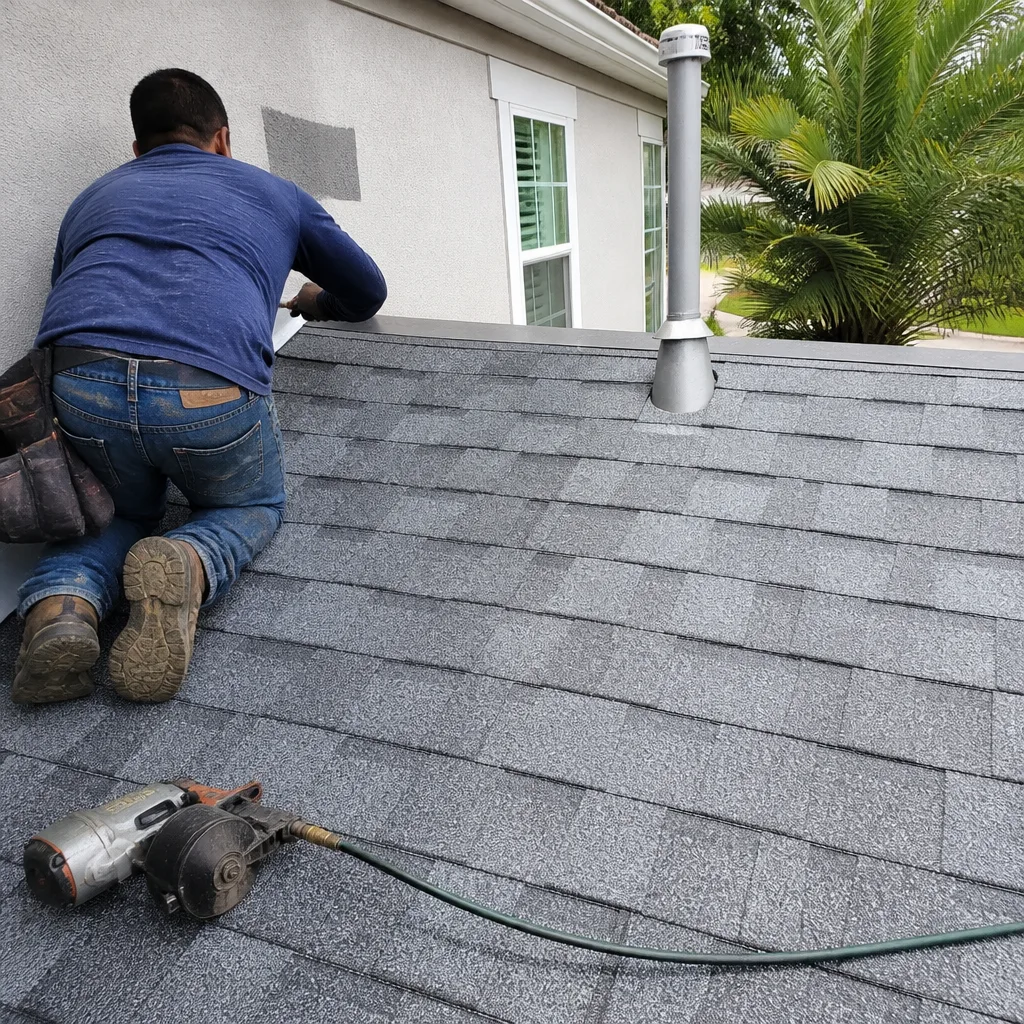 After
After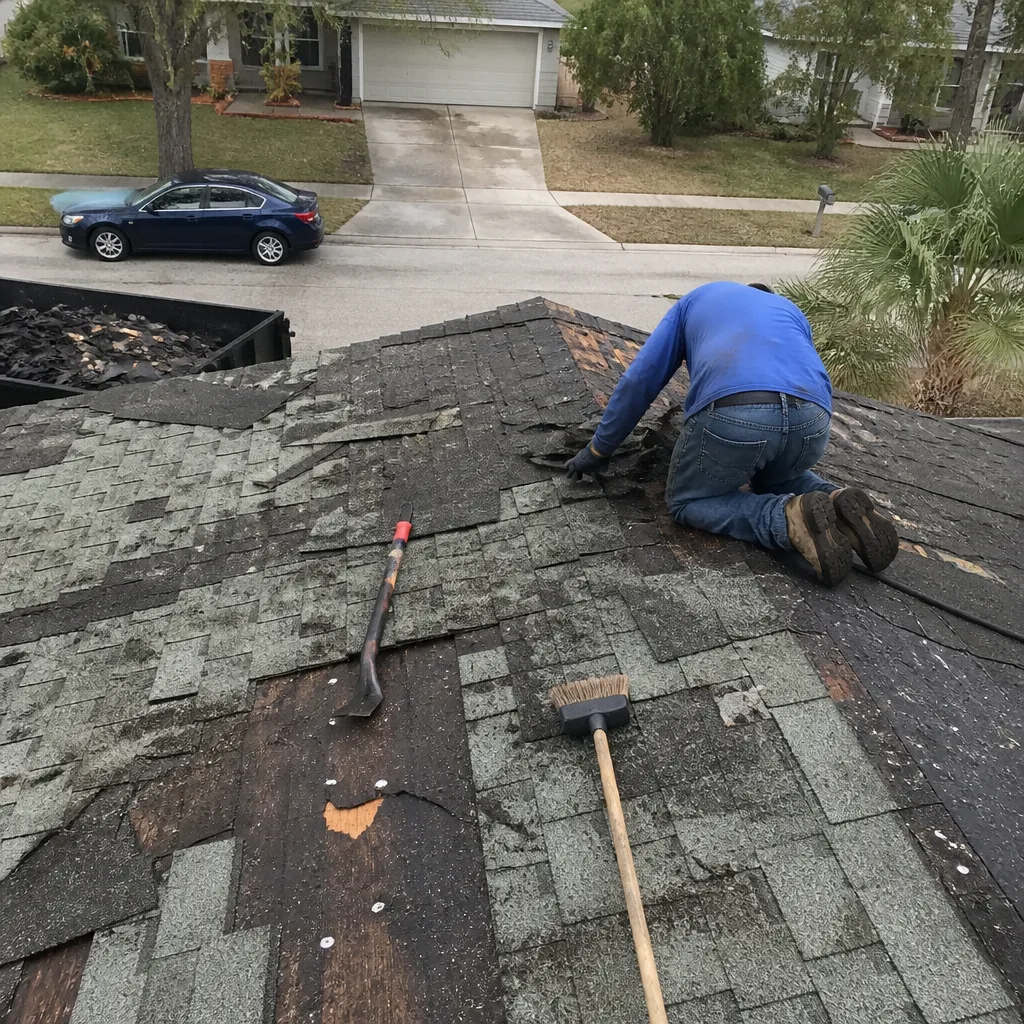 Before
 After
After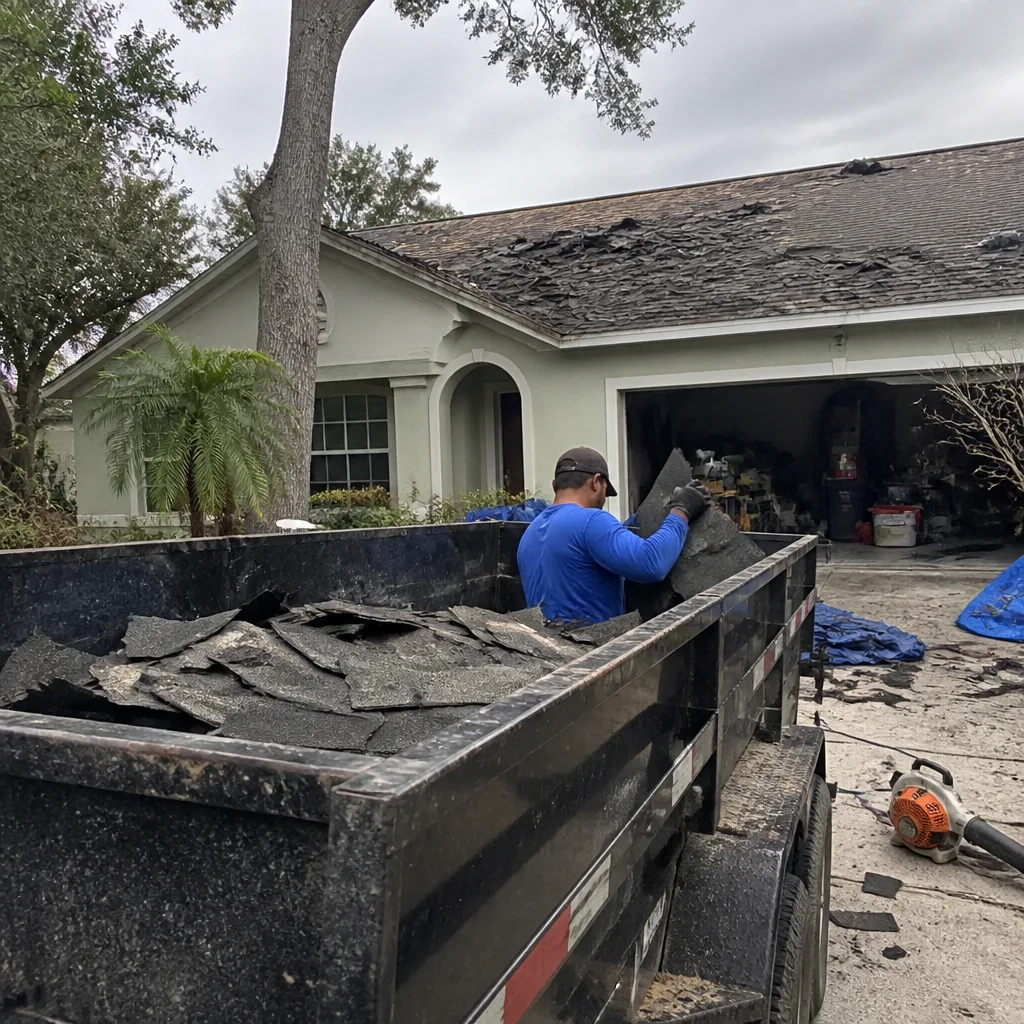 Before
 After
After